1968 PSA from the Public Health Service about Measles

Shotlist & Visual Analysis
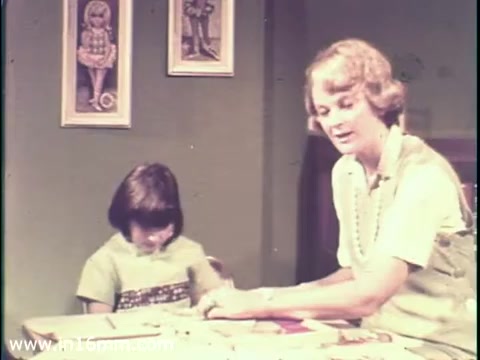
The still depicts a woman interacting with a child at a table, likely engaged in an educational or creative activity. The woman appears to be explaining something, while the child, seemingly focused or somber, listens attentively. The setting includes simple decorations, like framed images on the wall, reflecting a domestic environment. This scene is likely part of a larger public service announcement aimed at raising awareness about measles and its potential impact on mental disability.

00:00:00.000 — The still depicts a woman interacting with a child at a table, likely engaged in an educational or creative activity. The woman appears to be explaining something, while the child, seemingly focused or somber, listens attentively. The setting includes simple decorations, like framed images on the wall, reflecting a domestic environment. This scene is likely part of a larger public service announcement aimed at raising awareness about measles and its potential impact on mental disability.

The still from the 1968 PSA features a young girl with a bob haircut and a thoughtful expression. The background appears to be a simple, neutral color, which draws attention to her. The PSA addresses the importance of measles vaccination, highlighting the potential severe consequences of the disease, including mental disabilities. This visual is likely intended to evoke concern and prompt action among viewers regarding public health.
00:00:04.171 — The still from the 1968 PSA features a young girl with a bob haircut and a thoughtful expression. The background appears to be a simple, neutral color, which draws attention to her. The PSA addresses the importance of measles vaccination, highlighting the potential severe consequences of the disease, including mental disabilities. This visual is likely intended to evoke concern and prompt action among viewers regarding public health.

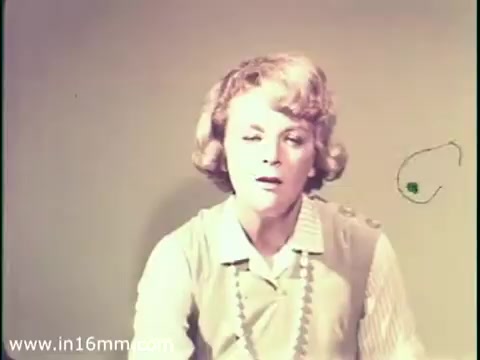
The still features a woman with short, curly hair, wearing a light-colored blouse and a necklace. She appears to be in a serious or concerned state, likely delivering a message about measles and its potential impact on mental disability. The background is a plain, muted color, focusing attention on her expression and the importance of the topic being discussed. This imagery is characteristic of public service announcements from the late 1960s, emphasizing health awareness.
00:00:19.920 — The still features a woman with short, curly hair, wearing a light-colored blouse and a necklace. She appears to be in a serious or concerned state, likely delivering a message about measles and its potential impact on mental disability. The background is a plain, muted color, focusing attention on her expression and the importance of the topic being discussed. This imagery is characteristic of public service announcements from the late 1960s, emphasizing health awareness.

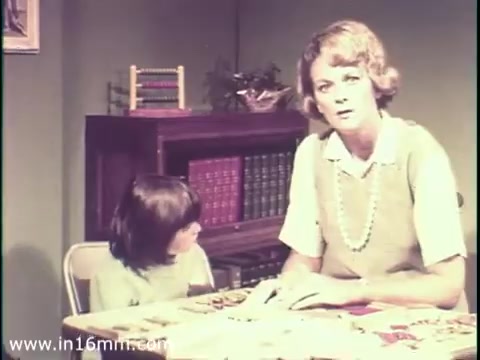
The still from the 1968 PSA features a concerned woman sitting at a table with a young girl. The setting appears to be a home, and the backdrop includes shelves with books and educational materials. The woman is likely discussing the dangers of measles and its potential impact on mental disabilities, capturing a serious and informative tone typical of public service announcements from that era. The image conveys a sense of urgency regarding children's health and education.

00:00:34.535 — The still from the 1968 PSA features a concerned woman sitting at a table with a young girl. The setting appears to be a home, and the backdrop includes shelves with books and educational materials. The woman is likely discussing the dangers of measles and its potential impact on mental disabilities, capturing a serious and informative tone typical of public service announcements from that era. The image conveys a sense of urgency regarding children's health and education.

The still from the 1968 PSA depicts a young girl with a bob haircut and a slight smile. She appears to be the focus of the scene, conveying innocence and curiosity. The image likely aims to evoke emotional responses regarding the importance of measles vaccination and its connection to preventing mental disabilities. The warm color palette and soft lighting enhance the PSA's message about child health and safety.
00:00:43.911 — The still from the 1968 PSA depicts a young girl with a bob haircut and a slight smile. She appears to be the focus of the scene, conveying innocence and curiosity. The image likely aims to evoke emotional responses regarding the importance of measles vaccination and its connection to preventing mental disabilities. The warm color palette and soft lighting enhance the PSA's message about child health and safety.

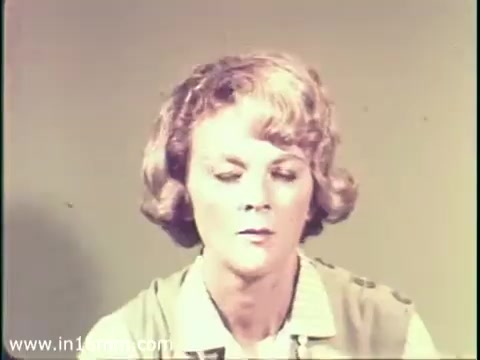
The still features a woman with blonde, wavy hair, appearing serious and contemplative. She is seated against a plain background, dressed in a light-colored top. This moment likely emphasizes the emotional impact of the message about measles and its potential connection to mental disability, reflecting the tone of public health awareness in the 1968 PSA. The 16mm print quality gives it a vintage look, characteristic of that era's informational films.

00:00:55.756 — The still features a woman with blonde, wavy hair, appearing serious and contemplative. She is seated against a plain background, dressed in a light-colored top. This moment likely emphasizes the emotional impact of the message about measles and its potential connection to mental disability, reflecting the tone of public health awareness in the 1968 PSA. The 16mm print quality gives it a vintage look, characteristic of that era's informational films.

The still features the seal of the U.S. Public Health Service, a circular emblem depicting a caduceus intertwined with symbols like an anchor and a chain. The text 'U.S. PUBLIC HEALTH SERVICE' and the year '1798' are prominently displayed. The image likely serves as a formal introduction to the 1968 public service announcement regarding measles and mental disability, emphasizing public health information. The print is characteristic of the era, with a straightforward design aimed at conveying authority and trustworthiness.

00:01:00.627 — The still features the seal of the U.S. Public Health Service, a circular emblem depicting a caduceus intertwined with symbols like an anchor and a chain. The text 'U.S. PUBLIC HEALTH SERVICE' and the year '1798' are prominently displayed. The image likely serves as a formal introduction to the 1968 public service announcement regarding measles and mental disability, emphasizing public health information. The print is characteristic of the era, with a straightforward design aimed at conveying authority and trustworthiness.

Film Transcript / Subtitles

This is Kim Fisher, selected as this year's poster girl by the National Association for Retarded Children. Kim was a bright child until the age of two when she developed measles encephalitis. The inflammation of the brain resulted in mental retardation and defects in vision and hearing. Measles infects four million children each year. Thousands of these children suffer some form of brain involvement. Some, like Kim, become mentally retarded, and others develop serious lung problems. Hundreds of children die from measles every year, and all of these deaths are unnecessary. Today, there is an effective vaccine which prevents measles. For Kim Fisher, it came too late. For your child and the more than 10 million other children under 12 years of age who are still unprotected, the vaccine is available now. Be sure your child is protected against measles in time.