Air Force newsfilm "Stopping gangrene - saving lives"

Shotlist & Visual Analysis
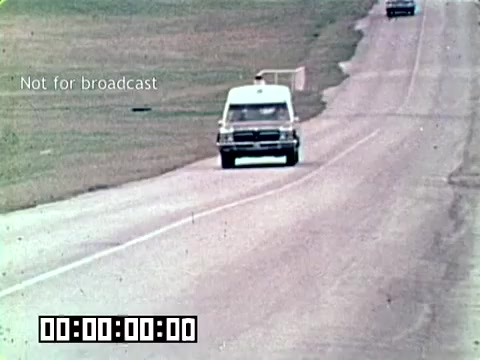
The still shows an ambulance driving along a road, highlighting the urgency of medical response in an Air Force context. The caption 'Not for broadcast' indicates it's an instructional or internal film segment. The overall theme focuses on addressing gangrene to save lives, emphasizing the critical role of swift medical transport.
00:00:00.000 — The still shows an ambulance driving along a road, highlighting the urgency of medical response in an Air Force context. The caption 'Not for broadcast' indicates it's an instructional or internal film segment. The overall theme focuses on addressing gangrene to save lives, emphasizing the critical role of swift medical transport.

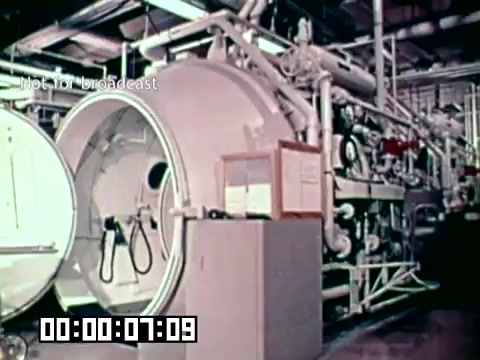
This still features a large, industrial hyperbaric chamber used in medical settings. The chamber is cylindrical and shows equipment associated with its operation. The context suggests it is part of a presentation on preventing gangrene and enhancing survival rates through advanced medical technologies, likely in relation to military or emergency medical services. The overall environment appears to be a clinical or research facility focused on trauma care.
00:00:07.307 — This still features a large, industrial hyperbaric chamber used in medical settings. The chamber is cylindrical and shows equipment associated with its operation. The context suggests it is part of a presentation on preventing gangrene and enhancing survival rates through advanced medical technologies, likely in relation to military or emergency medical services. The overall environment appears to be a clinical or research facility focused on trauma care.

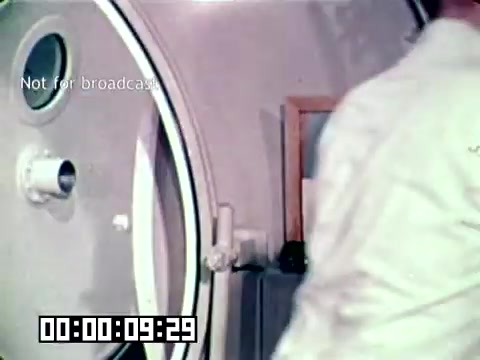
The still features a medical professional in a white coat near a hyperbaric chamber, likely illustrating the treatment for gangrene in a military context. The chamber is designed for administering oxygen therapy, emphasizing the medical advancements used to save lives. The timecode indicates it is from the early segment of the film.
00:00:09.977 — The still features a medical professional in a white coat near a hyperbaric chamber, likely illustrating the treatment for gangrene in a military context. The chamber is designed for administering oxygen therapy, emphasizing the medical advancements used to save lives. The timecode indicates it is from the early segment of the film.

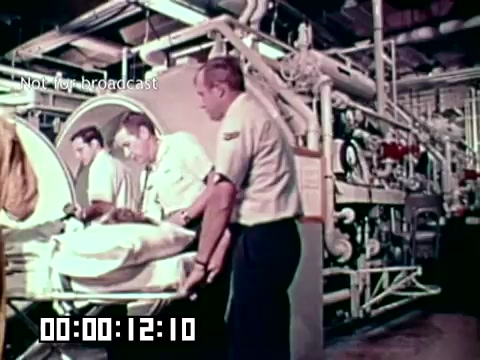
The still depicts a medical scene from the Air Force newsfilm 'Stopping gangrene - saving lives.' It shows medical personnel attending to a patient on a stretcher in a facility equipped with tubes and machinery, suggesting a focus on advanced treatments. The urgency and seriousness of the situation are evident, highlighting the importance of addressing gangrene in critical care settings.
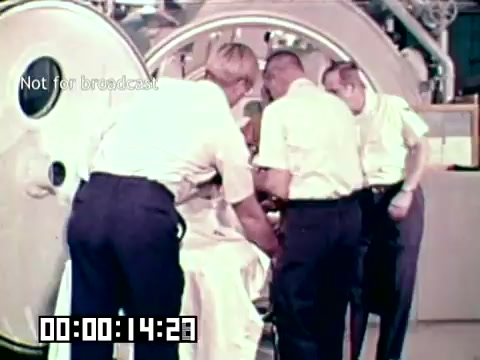
00:00:12.379 — The still depicts a medical scene from the Air Force newsfilm 'Stopping gangrene - saving lives.' It shows medical personnel attending to a patient on a stretcher in a facility equipped with tubes and machinery, suggesting a focus on advanced treatments. The urgency and seriousness of the situation are evident, highlighting the importance of addressing gangrene in critical care settings.

The still from the Air Force newsfilm 'Stopping gangrene - saving lives' depicts a group of medical personnel working together around a patient who appears to be preparing to enter a hyperbaric chamber. The scene highlights the medical team's efforts to provide treatment, emphasizing the importance of advanced technologies in saving lives from gangrene. The atmosphere conveys urgency and collaboration in a clinical setting.
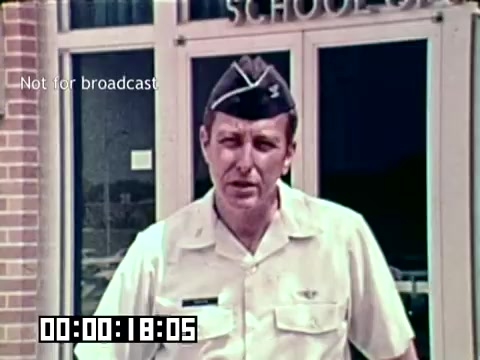
00:00:14.948 — The still from the Air Force newsfilm 'Stopping gangrene - saving lives' depicts a group of medical personnel working together around a patient who appears to be preparing to enter a hyperbaric chamber. The scene highlights the medical team's efforts to provide treatment, emphasizing the importance of advanced technologies in saving lives from gangrene. The atmosphere conveys urgency and collaboration in a clinical setting.

The still features a military officer standing in front of a building labeled 'School of...' possibly indicating a training or educational facility. He is wearing a military uniform and cap, suggesting a serious tone. The context of the image relates to an Air Force newsfilm focused on combating gangrene and emphasizing the importance of medical practices to save lives. A timestamp at the bottom indicates the film's duration, suggesting it's part of a larger presentation.
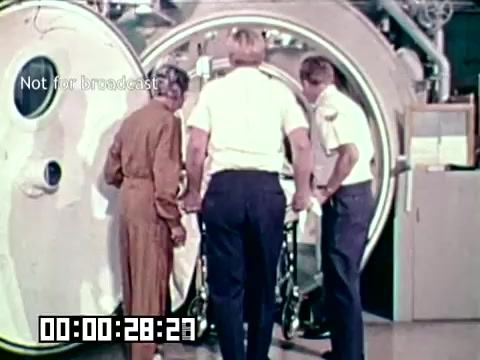
00:00:18.218 — The still features a military officer standing in front of a building labeled 'School of...' possibly indicating a training or educational facility. He is wearing a military uniform and cap, suggesting a serious tone. The context of the image relates to an Air Force newsfilm focused on combating gangrene and emphasizing the importance of medical practices to save lives. A timestamp at the bottom indicates the film's duration, suggesting it's part of a larger presentation.

The still from the Air Force newsfilm 'Stopping gangrene - saving lives' shows three individuals examining a large hyperbaric chamber. The scene suggests a medical or research setting focused on treating conditions like gangrene, possibly involving pressure therapy. Two men in uniforms and one in a jumpsuit are engaged in a discussion near the chamber, highlighting teamwork in a medical context. The timestamp indicates an ongoing segment of the film.

00:00:28.962 — The still from the Air Force newsfilm 'Stopping gangrene - saving lives' shows three individuals examining a large hyperbaric chamber. The scene suggests a medical or research setting focused on treating conditions like gangrene, possibly involving pressure therapy. Two men in uniforms and one in a jumpsuit are engaged in a discussion near the chamber, highlighting teamwork in a medical context. The timestamp indicates an ongoing segment of the film.

The still from the Air Force newsfilm 'Stopping gangrene - saving lives' depicts a close-up of an unconscious or injured individual in a medical setting. The patient has curly hair and appears to be receiving care, highlighting the urgency of medical intervention to prevent gangrene. The scene conveys the critical nature of military medical efforts in treating injuries.
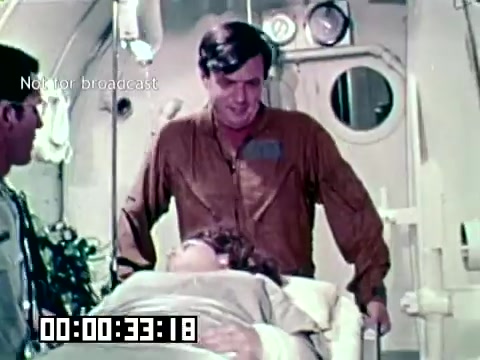
00:00:31.164 — The still from the Air Force newsfilm 'Stopping gangrene - saving lives' depicts a close-up of an unconscious or injured individual in a medical setting. The patient has curly hair and appears to be receiving care, highlighting the urgency of medical intervention to prevent gangrene. The scene conveys the critical nature of military medical efforts in treating injuries.

The still depicts a scene from the Air Force newsfilm 'Stopping gangrene - saving lives.' It shows a medical setting, likely within an aircraft or field hospital. A patient lies on a gurney, while two medical personnel, one wearing a flight suit and the other in surgical attire, are engaged with the patient, suggesting a focus on urgent medical care to prevent gangrene. The environment appears sterile and organized, indicative of a prioritization of medical procedures in military contexts.
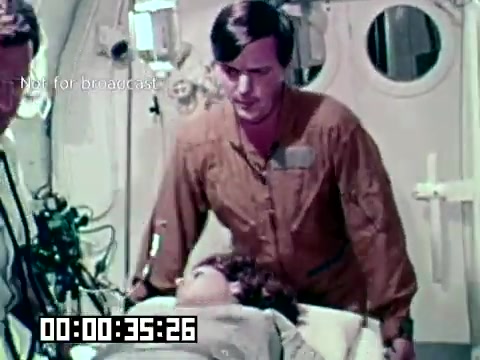
00:00:33.634 — The still depicts a scene from the Air Force newsfilm 'Stopping gangrene - saving lives.' It shows a medical setting, likely within an aircraft or field hospital. A patient lies on a gurney, while two medical personnel, one wearing a flight suit and the other in surgical attire, are engaged with the patient, suggesting a focus on urgent medical care to prevent gangrene. The environment appears sterile and organized, indicative of a prioritization of medical procedures in military contexts.

The still from the Air Force newsfilm 'Stopping gangrene - saving lives' depicts a medical scenario where a healthcare professional stands over a patient on a gurney. The setting appears to be a clinical or emergency environment, emphasizing the urgency of medical care. The focus seems to be on treating a serious condition, likely related to gangrene, highlighting the importance of rapid and effective medical intervention in life-threatening situations.
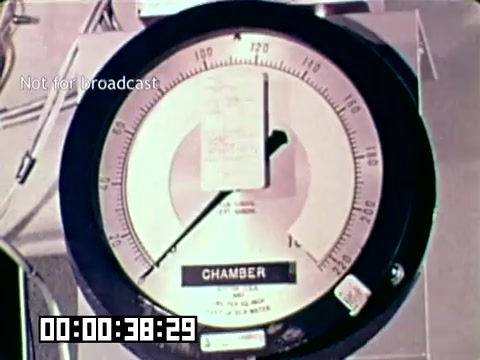
00:00:35.903 — The still from the Air Force newsfilm 'Stopping gangrene - saving lives' depicts a medical scenario where a healthcare professional stands over a patient on a gurney. The setting appears to be a clinical or emergency environment, emphasizing the urgency of medical care. The focus seems to be on treating a serious condition, likely related to gangrene, highlighting the importance of rapid and effective medical intervention in life-threatening situations.

The still shows a gauge labeled 'CHAMBER,' likely used for measuring pressure or gas levels in a medical context, as part of a procedure to treat gangrene. The gauge indicates values above ambient pressure, suggesting it may be related to hyperbaric oxygen therapy. The film is part of an Air Force news report on methods to prevent gangrene and save lives.
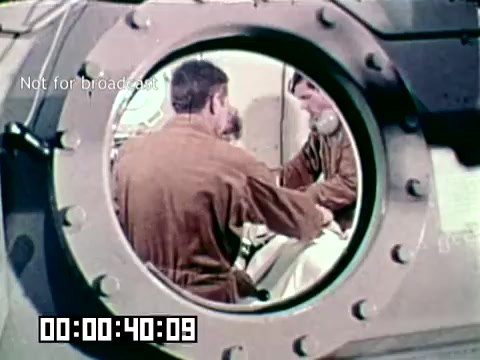
00:00:39.006 — The still shows a gauge labeled 'CHAMBER,' likely used for measuring pressure or gas levels in a medical context, as part of a procedure to treat gangrene. The gauge indicates values above ambient pressure, suggesting it may be related to hyperbaric oxygen therapy. The film is part of an Air Force news report on methods to prevent gangrene and save lives.

The still from the Air Force newsfilm 'Stopping gangrene - saving lives' features a close-up view through a circular window of a medical environment. Inside, two medical personnel appear to be attending to a patient, emphasizing the film's focus on military medical practices aimed at preventing gangrene and saving lives. The scene conveys a sense of urgency and care in a clinical setting.
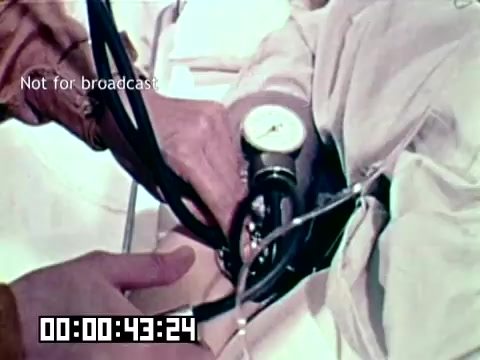
00:00:40.340 — The still from the Air Force newsfilm 'Stopping gangrene - saving lives' features a close-up view through a circular window of a medical environment. Inside, two medical personnel appear to be attending to a patient, emphasizing the film's focus on military medical practices aimed at preventing gangrene and saving lives. The scene conveys a sense of urgency and care in a clinical setting.

The still depicts a medical professional taking a patient's blood pressure using a sphygmomanometer, presumably as part of a medical procedure aimed at addressing gangrene and saving lives. The film likely emphasizes the importance of timely medical intervention in critical conditions. The overlay notes 'Not for broadcast,' indicating the content is intended for internal use or specific audiences.
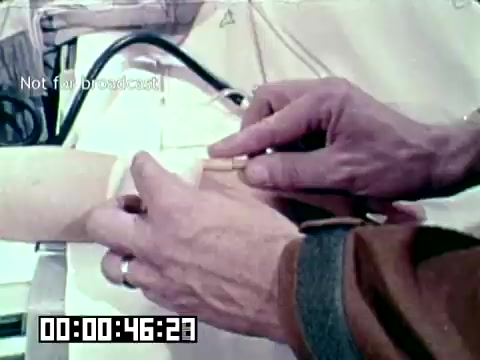
00:00:43.877 — The still depicts a medical professional taking a patient's blood pressure using a sphygmomanometer, presumably as part of a medical procedure aimed at addressing gangrene and saving lives. The film likely emphasizes the importance of timely medical intervention in critical conditions. The overlay notes 'Not for broadcast,' indicating the content is intended for internal use or specific audiences.

The still from the Air Force newsfilm 'Stopping gangrene - saving lives' shows a close-up of a person's hand applying a medical device on a patient's arm. The focus appears to be on a technique or treatment relevant to preventing gangrene, emphasizing the hands-on, clinical aspect of medical intervention. The context suggests a demonstration of important medical practices in a military or emergency setting.
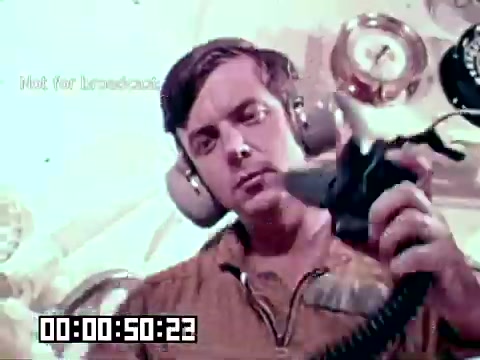
00:00:46.980 — The still from the Air Force newsfilm 'Stopping gangrene - saving lives' shows a close-up of a person's hand applying a medical device on a patient's arm. The focus appears to be on a technique or treatment relevant to preventing gangrene, emphasizing the hands-on, clinical aspect of medical intervention. The context suggests a demonstration of important medical practices in a military or emergency setting.

The still shows a male technician wearing headphones and holding a medical device, likely related to the treatment of gangrene. The setting appears to be within a military or aviation context, possibly a medical facility or aircraft. The focus is on the technician's concentration as he prepares to use the equipment, emphasizing the importance of medical interventions in saving lives. The image is part of an Air Force newsfilm aimed at highlighting medical advancements and procedures.
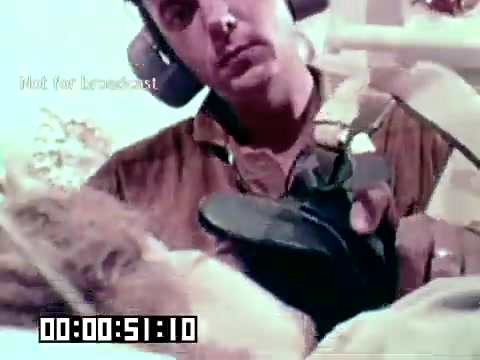
00:00:50.817 — The still shows a male technician wearing headphones and holding a medical device, likely related to the treatment of gangrene. The setting appears to be within a military or aviation context, possibly a medical facility or aircraft. The focus is on the technician's concentration as he prepares to use the equipment, emphasizing the importance of medical interventions in saving lives. The image is part of an Air Force newsfilm aimed at highlighting medical advancements and procedures.

The still from the Air Force newsfilm 'Stopping gangrene - saving lives' depicts a medical scene likely involving a military medic or doctor attending to a patient. The medic appears focused and intent on providing care, possibly administering treatment to prevent gangrene. The atmosphere suggests urgency and professionalism, emphasizing the importance of quick medical intervention in saving lives. The timecode indicates that this is a moment captured at approximately 51 seconds into the footage.
00:00:51.418 — The still from the Air Force newsfilm 'Stopping gangrene - saving lives' depicts a medical scene likely involving a military medic or doctor attending to a patient. The medic appears focused and intent on providing care, possibly administering treatment to prevent gangrene. The atmosphere suggests urgency and professionalism, emphasizing the importance of quick medical intervention in saving lives. The timecode indicates that this is a moment captured at approximately 51 seconds into the footage.

The still from the Air Force newsfilm 'Stopping gangrene - saving lives' shows a close-up of a hand interacting with a circular control or instrument within a medical or surgical context. The setting appears clinical, likely in a hospital or operating room, as the scene emphasizes the importance of medical procedures in preventing gangrene and saving lives. The focus on the hand suggests the precision and care needed in such critical situations. The timestamp indicates a momentary glimpse into the film's narrative about surgical techniques or medical practices.

00:00:56.423 — The still from the Air Force newsfilm 'Stopping gangrene - saving lives' shows a close-up of a hand interacting with a circular control or instrument within a medical or surgical context. The setting appears clinical, likely in a hospital or operating room, as the scene emphasizes the importance of medical procedures in preventing gangrene and saving lives. The focus on the hand suggests the precision and care needed in such critical situations. The timestamp indicates a momentary glimpse into the film's narrative about surgical techniques or medical practices.

The still from the Air Force newsfilm 'Stopping gangrene - saving lives' shows a close-up of a surgical procedure, likely related to the treatment of wounds to prevent gangrene. The image captures medical equipment, possibly a sterilization process, emphasizing the importance of hygiene and prompt medical intervention in saving lives. The film aims to highlight the challenges and techniques used in military medicine.
00:00:57.991 — The still from the Air Force newsfilm 'Stopping gangrene - saving lives' shows a close-up of a surgical procedure, likely related to the treatment of wounds to prevent gangrene. The image captures medical equipment, possibly a sterilization process, emphasizing the importance of hygiene and prompt medical intervention in saving lives. The film aims to highlight the challenges and techniques used in military medicine.

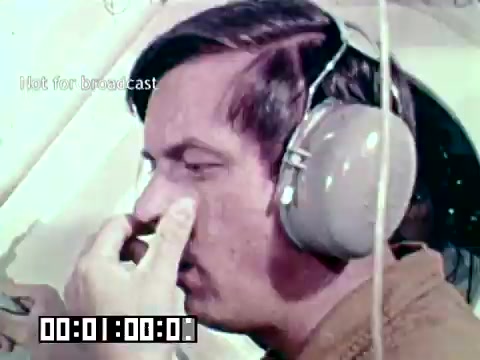
The still from the Air Force newsfilm 'Stopping gangrene - saving lives' features a male individual wearing large headphones. He appears to be engaged in some activity, potentially involved in medical protocols, given the film's focus on preventing gangrene and saving lives. The image captures an important moment related to military medical practices, emphasizing the urgency and seriousness of healthcare in a military context.
00:01:00.093 — The still from the Air Force newsfilm 'Stopping gangrene - saving lives' features a male individual wearing large headphones. He appears to be engaged in some activity, potentially involved in medical protocols, given the film's focus on preventing gangrene and saving lives. The image captures an important moment related to military medical practices, emphasizing the urgency and seriousness of healthcare in a military context.

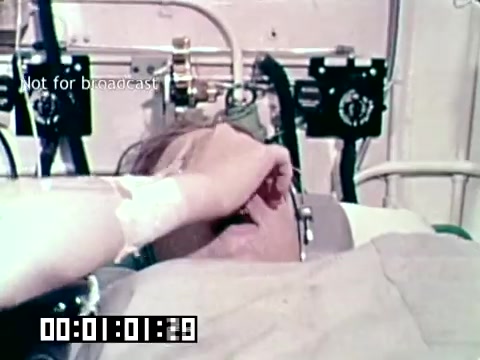
The still from the Air Force newsfilm 'Stopping gangrene - saving lives' shows a patient lying in a hospital bed. The patient appears to be undergoing treatment, with medical equipment visible in the background. An IV line is connected to the patient's arm, indicating they are receiving care. The scene likely emphasizes the importance of medical interventions in preventing gangrene and saving lives. The timestamp at the bottom suggests this is a frame captured from a specific moment in the footage.
00:01:01.695 — The still from the Air Force newsfilm 'Stopping gangrene - saving lives' shows a patient lying in a hospital bed. The patient appears to be undergoing treatment, with medical equipment visible in the background. An IV line is connected to the patient's arm, indicating they are receiving care. The scene likely emphasizes the importance of medical interventions in preventing gangrene and saving lives. The timestamp at the bottom suggests this is a frame captured from a specific moment in the footage.

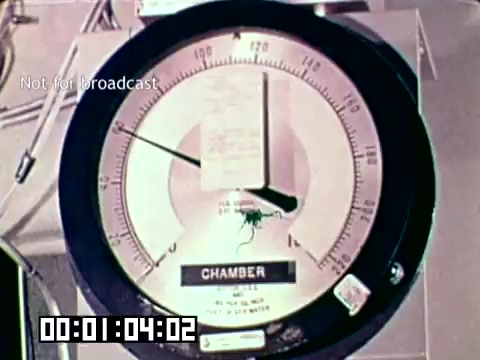
The still shows a pressure gauge labeled 'CHAMBER,' indicating a measurement related to a medical procedure or experiment. The needle points to a specific number, suggesting a controlled environment, likely related to the prevention of gangrene, as highlighted in the Air Force newsfilm. The context implies a focus on medical innovation to save lives in military settings.
00:01:04.164 — The still shows a pressure gauge labeled 'CHAMBER,' indicating a measurement related to a medical procedure or experiment. The needle points to a specific number, suggesting a controlled environment, likely related to the prevention of gangrene, as highlighted in the Air Force newsfilm. The context implies a focus on medical innovation to save lives in military settings.

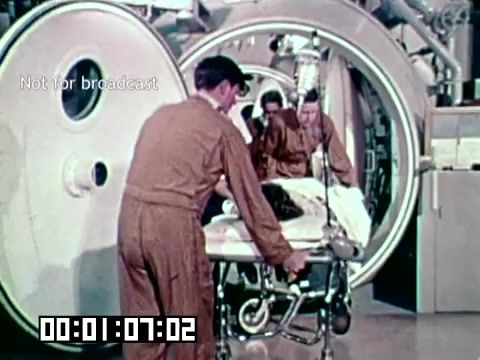
The still depicts a medical scene from the Air Force newsfilm 'Stopping gangrene - saving lives.' It shows medical personnel attending to a patient on a gurney, likely in a high-tech medical facility. The focus seems to be on the application of specialized treatment to prevent gangrene. The environment includes large, circular medical devices, suggesting a technological approach to patient care. The overall tone conveys urgency and the importance of medical intervention in life-saving situations.

00:01:07.167 — The still depicts a medical scene from the Air Force newsfilm 'Stopping gangrene - saving lives.' It shows medical personnel attending to a patient on a gurney, likely in a high-tech medical facility. The focus seems to be on the application of specialized treatment to prevent gangrene. The environment includes large, circular medical devices, suggesting a technological approach to patient care. The overall tone conveys urgency and the importance of medical intervention in life-saving situations.

The still features a plain black background with the text 'FromFilm.net' displayed in white. It likely serves as a watermark or credit, indicating the source of the film material. The context relates to an Air Force newsfilm focused on medical practices for preventing gangrene and saving lives, highlighting military medical advancements.

00:01:16.176 — The still features a plain black background with the text 'FromFilm.net' displayed in white. It likely serves as a watermark or credit, indicating the source of the film material. The context relates to an Air Force newsfilm focused on medical practices for preventing gangrene and saving lives, highlighting military medical advancements.

Film Transcript / Subtitles

Of the 160 patients that have been treated, about half have been Air Force personnel or their dependents, and the other half have been civilians treated on a humanitarian basis. Approximately 80 of the patients have suffered gas gangrene and the balance, the other disorders mentioned. Patients that are treated early very frequently have the result that limbs are saved, that large areas of dying muscle are saved, amputations are avoided. If they are treated late, sometimes we are able to save the lives of patients who would otherwise die, although in gas gangrene as well as in the other disorders treated, time is very definitely of the essence. For this reason, patients are ordinarily flown to the chamber and transported as quickly as possible into the chamber area, where they are quickly examined and taken to depth with a doctor, a nurse, and a technician inside the chamber with the patient. Outside the chamber, we have technicians operating the chamber controls, the watches, and keeping careful records.