American College of Surgeons PSA - Tetanus/Lockjaw 1969
Shotlist & Visual Analysis
00:00:00.000 — The still from 'American College of Surgeons PSA - Tetanus/Lockjaw 1969' likely presents a simple and straightforward visual element, reflective of the PSA's educational intent. Given its focus, it emphasizes the importance of understanding the risks associated with wounds, particularly emphasizing puncture wounds, which are critical in the context of tetanus. It serves as a reminder that even minor injuries can lead to serious health issues if not properly treated.
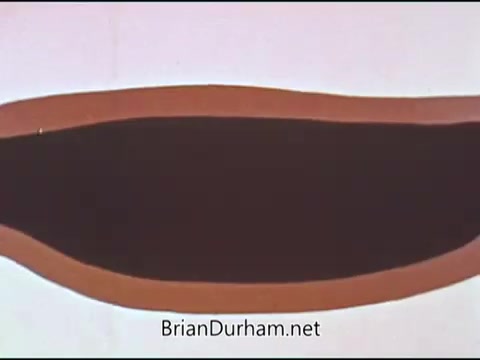
00:00:13.347 — The still from the 1969 PSA on tetanus features a visual representation of a wound, likely a puncture. The image emphasizes the shape and perspective of the injury, highlighting its potential for serious infection despite its small size. The educational focus is on the risks associated with wounds, particularly the growth of tetanus bacteria in puncture wounds, conveying a cautionary message about the importance of proper wound care.
00:00:21.355 — The still from the PSA 'American College of Surgeons - Tetanus/Lockjaw 1969' presents a simple visual, likely illustrating a yellow representation of a symptom or aspect related to tetanus. The background is a muted shade, possibly to draw attention to the yellow figure. The context emphasizes the importance of treating wounds properly, particularly puncture wounds, as they can harbor tetanus bacteria. The message underscores that even small injuries should be taken seriously to prevent serious health risks.

00:00:28.061 — The still appears to feature a stylized, animated background with a vibrant yellow center, surrounded by irregular, organic shapes. It suggests a focus on safety and health, likely correlating to the importance of recognizing and treating wounds to prevent tetanus or lockjaw. The use of animation indicates an educational approach, aiming to convey a serious message in an engaging way.