American Medical Assocation PSA - 1960's

Shotlist & Visual Analysis

The still from the 'American Medical Association PSA - 1960s' features a plain, textured background that appears to be slightly worn, likely from the film's age. The overall tone is neutral, and there are minimal visual distractions, suggesting a focus on the message intended by the PSA. The lack of prominent imagery points toward a straightforward communication style typical of public service announcements from that era.

00:00:00.000 — The still from the 'American Medical Association PSA - 1960s' features a plain, textured background that appears to be slightly worn, likely from the film's age. The overall tone is neutral, and there are minimal visual distractions, suggesting a focus on the message intended by the PSA. The lack of prominent imagery points toward a straightforward communication style typical of public service announcements from that era.

The still features a cartoon character with a quirky design, characterized by a whimsical expression and stylized features. The character is animatedly gesturing towards a blank canvas on an easel, contributing to a playful and engaging tone typical of public service announcements from the 1960s. The overall aesthetic is colorful and vibrant, reflecting the animation style of that era.

00:00:01.268 — The still features a cartoon character with a quirky design, characterized by a whimsical expression and stylized features. The character is animatedly gesturing towards a blank canvas on an easel, contributing to a playful and engaging tone typical of public service announcements from the 1960s. The overall aesthetic is colorful and vibrant, reflecting the animation style of that era.

The still from the 'American Medical Association PSA' features a close-up of a cartoon character's mouth, showing exaggerated features such as large teeth and vibrant colors. The design is playful and stylized, likely aimed at conveying a health message in an engaging manner typical of 1960s public service announcements.

00:00:21.188 — The still from the 'American Medical Association PSA' features a close-up of a cartoon character's mouth, showing exaggerated features such as large teeth and vibrant colors. The design is playful and stylized, likely aimed at conveying a health message in an engaging manner typical of 1960s public service announcements.

The still from the 'American Medical Association PSA - 1960's' features a cartoonish character with a wide, expressive mouth showcasing exaggerated teeth and a playful demeanor. The image likely aims to convey a message about dental health or hygiene, characteristic of public service announcements from that era. The colors and style reflect the animation trends of the 1960s.
00:00:22.055 — The still from the 'American Medical Association PSA - 1960's' features a cartoonish character with a wide, expressive mouth showcasing exaggerated teeth and a playful demeanor. The image likely aims to convey a message about dental health or hygiene, characteristic of public service announcements from that era. The colors and style reflect the animation trends of the 1960s.

The still features an animated character with a whimsical design, characterized by exaggerated features and a playful pose. The character, possibly depicting a medical theme, is outlined with vibrant colors against a soft background. The style reflects the 1960s animation aesthetic commonly used for public service announcements. The image conveys a lighthearted yet informative tone, characteristic of the era's educational content.

00:00:29.162 — The still features an animated character with a whimsical design, characterized by exaggerated features and a playful pose. The character, possibly depicting a medical theme, is outlined with vibrant colors against a soft background. The style reflects the 1960s animation aesthetic commonly used for public service announcements. The image conveys a lighthearted yet informative tone, characteristic of the era's educational content.

The still features a simplistic, stylized silhouette of a man in formal attire holding a briefcase. An upward arrow is depicted prominently behind him, suggesting progress or positive change. The background is likely a muted color, enhancing the focus on the figures and the arrow. This imagery is typical of 1960s public service announcements, designed to convey messages of professionalism and advancement in the context of healthcare.
00:00:39.673 — The still features a simplistic, stylized silhouette of a man in formal attire holding a briefcase. An upward arrow is depicted prominently behind him, suggesting progress or positive change. The background is likely a muted color, enhancing the focus on the figures and the arrow. This imagery is typical of 1960s public service announcements, designed to convey messages of professionalism and advancement in the context of healthcare.

The still features a simple graphic representation of a syringe, accompanied by a flowing, curved line that suggests the administration of a vaccine or medication. The background is likely a solid color, emphasizing the syringe as the focal point. This visual is consistent with public service announcements from the 1960s that aimed to educate the public about health and medical practices.
00:00:41.375 — The still features a simple graphic representation of a syringe, accompanied by a flowing, curved line that suggests the administration of a vaccine or medication. The background is likely a solid color, emphasizing the syringe as the focal point. This visual is consistent with public service announcements from the 1960s that aimed to educate the public about health and medical practices.

The still features a simple, cartoonish character holding a large syringe with a neutral expression. The background is likely a plain color, emphasizing the character and the syringe, which symbolizes vaccination or medical awareness. The overall style is typical of educational public service announcements from the 1960s, aiming to convey a health-related message in a straightforward manner.
00:00:43.310 — The still features a simple, cartoonish character holding a large syringe with a neutral expression. The background is likely a plain color, emphasizing the character and the syringe, which symbolizes vaccination or medical awareness. The overall style is typical of educational public service announcements from the 1960s, aiming to convey a health-related message in a straightforward manner.

The still features a simplistic, cartoon-like character with a slender body, standing upright and holding a briefcase. The character has a minimalistic design, with a stylized expression, and is positioned against a plain background. This visual style reflects the era's animation techniques and conveys a straightforward, approachable message typical of public service announcements from the 1960s.
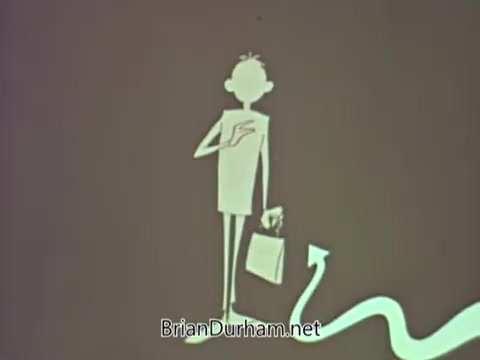
00:00:44.978 — The still features a simplistic, cartoon-like character with a slender body, standing upright and holding a briefcase. The character has a minimalistic design, with a stylized expression, and is positioned against a plain background. This visual style reflects the era's animation techniques and conveys a straightforward, approachable message typical of public service announcements from the 1960s.

The still features a stylized, thin character standing with a briefcase, indicating a sense of professionalism. The background is a simple, muted color, enhancing the focus on the character. A curved line extends from the character, possibly symbolizing a journey or path, in line with the public service announcement's theme of medical awareness. The overall aesthetic is characteristic of 1960s graphic design, with an emphasis on simplicity and clarity.

00:00:46.880 — The still features a stylized, thin character standing with a briefcase, indicating a sense of professionalism. The background is a simple, muted color, enhancing the focus on the character. A curved line extends from the character, possibly symbolizing a journey or path, in line with the public service announcement's theme of medical awareness. The overall aesthetic is characteristic of 1960s graphic design, with an emphasis on simplicity and clarity.

The still from the 'American Medical Association PSA' features a stylized, elongated character holding a briefcase, indicative of a professional figure. The background is simple, with a winding line that suggests movement or a path. The overall aesthetic has a minimalist, cartoon-like quality typical of 1960s public service announcements, focusing on themes related to health and professionalism.
00:00:48.549 — The still from the 'American Medical Association PSA' features a stylized, elongated character holding a briefcase, indicative of a professional figure. The background is simple, with a winding line that suggests movement or a path. The overall aesthetic has a minimalist, cartoon-like quality typical of 1960s public service announcements, focusing on themes related to health and professionalism.

The still is an animated depiction from a 1960s American Medical Association PSA. It features a young man comfortably resting in bed, with a book in hand and a relaxed expression. The room is cozy, with items like a flower vase and a television visible. The overall tone appears light and informative, likely promoting health and well-being messages typical of the era.

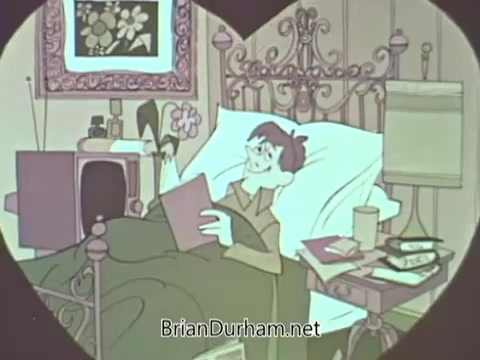
00:00:50.417 — The still is an animated depiction from a 1960s American Medical Association PSA. It features a young man comfortably resting in bed, with a book in hand and a relaxed expression. The room is cozy, with items like a flower vase and a television visible. The overall tone appears light and informative, likely promoting health and well-being messages typical of the era.

Film Transcript / Subtitles

Fever, chills, sore throat, signs of the season, signs of flu. Maybe it's some new highly contagious Asian variety. Maybe it's just plain old-fashioned grip. Whichever it is, or whatever you call it, influenza can be serious. Often, its weakening effects open the way to a secondary infection by pneumonia. And for some, influenza itself is life-threatening. Older people in general, an individual suffering from diabetes, chronic respiratory, or heart disease in particular, need extra protection in the form of vaccine. But even if you're not in a high-risk group, don't underestimate influenza. An attack of the flu entitles you to some tender, loving care. This has been a public service message of the American Medical Association and your local station.