Clean Air Public Health Service PSA with Mason Adams VO - 1960's
Shotlist & Visual Analysis

00:00:00.000 — The still from the PSA features a dimly lit urban scene, likely depicting a cityscape affected by pollution. The overall aesthetic reflects the environmental concerns of the 1960s, showing an atmosphere shrouded in smog or haze. This aligns with Mason Adams' voiceover highlighting the adverse effects of polluted air, emphasizing the contrast between washable items and the inability to cleanse one's lungs. The message encourages public engagement in addressing air quality, urging viewers to take action for a healthier environment.
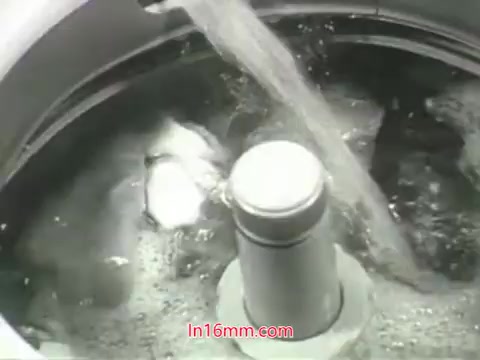
00:00:12.012 — The still from the PSA features a close-up of a washing machine in action. Water is flowing into the machine, creating bubbles and movement, suggesting a cleaning process. This imagery aligns with the voiceover by Mason Adams, which emphasizes the contrast between washing soiled items and the inability to wash one's lungs from pollution. The focus on the washing machine serves as a metaphor for the broader message about urban air quality challenges in the 1960s. Overall, it conveys a strong public health message urging viewers to take action for cleaner air.
00:00:12.513 — The still from the PSA features a window with a grid design, possibly depicting a domestic or urban environment. The glass appears dirty or fogged, which aligns with the message about air pollution. The context of the voiceover highlights the contrast between washable items and the inability to cleanse the lungs from polluted air, emphasizing public health concerns related to air quality. The overall tone is cautionary, urging viewers to take action to improve their environment.
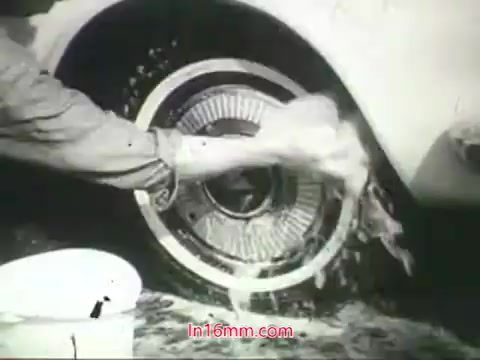
00:00:13.013 — The still features a close-up of a person washing a car wheel, emphasizing the need for cleanliness in the context of urban air pollution. The hands are actively scrubbing away dirt and grime, symbolizing the broader message about maintaining health in polluted environments. The visuals contrast the idea of washing physical surfaces with the inability to cleanse lungs from polluted air, as stressed in Mason Adams' voiceover. The imagery reinforces calls to action regarding public health and air quality awareness.
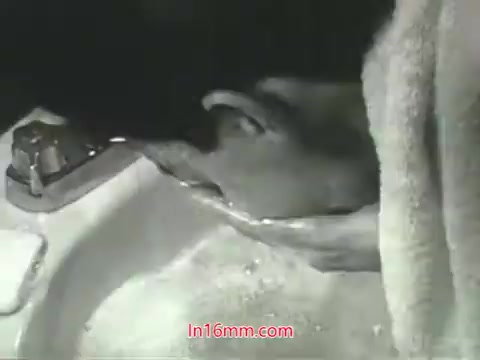
00:00:13.514 — The still from the PSA features a person leaning over a sink, washing their face with water. The scene is monochromatic, fitting the era of the 1960s. This visual aligns with Mason Adams's voiceover about urban air pollution and emphasizes the idea of cleanliness, contrasting the ability to wash away dirt with the inability to cleanse one's lungs from polluted air. The message encourages viewers to take action regarding air quality.
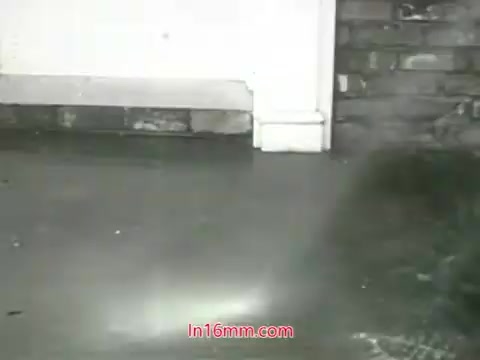
00:00:14.014 — The still from the 1960s PSA highlights a damp and dirty floor, likely showcasing the impact of air pollution. The muted tones emphasize a grimy environment, in line with the voiceover discussing the pollution in cities. The imagery aims to evoke concern about air quality and the inability to cleanse lungs like physical objects. It serves as a visual prompt to encourage viewers to take action regarding air pollution.
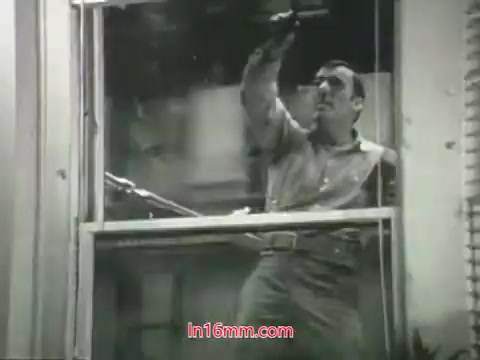
00:00:15.582 — The still from the PSA features a man cleaning a window from the inside of a building, using a squeegee. The setting reflects an urban environment, likely during the 1960s. The black-and-white imagery emphasizes the contrast between the act of cleaning and the polluted city air mentioned in Mason Adams' voiceover. The scene visualizes the message that while one can clean surfaces, one cannot wash away the pollution affecting health, particularly the lungs. The call to action encourages viewers to take initiative in addressing air quality.
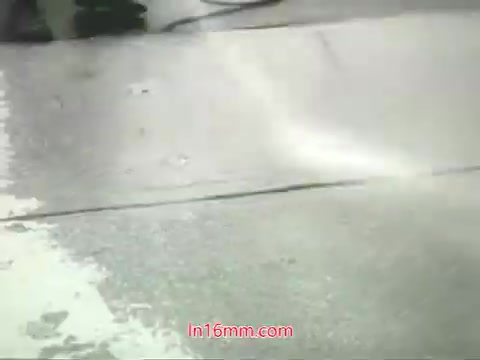
00:00:16.083 — The still from the 16mm public service announcement features a city street scene, likely showing a sanitation or cleaning activity. The visuals may include water being sprayed or washed over the pavement, highlighting the challenges of urban pollution as described in Mason Adams' voiceover. The message emphasizes the inability to 'wash' the air we breathe, urging viewers to take action for cleaner air. The overall tone is one of awareness and responsibility regarding public health and environmental conditions in urban settings.
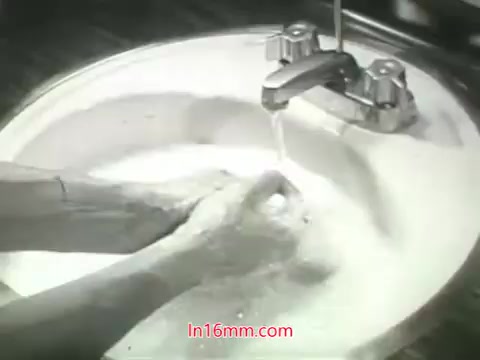
00:00:19.786 — The still from the PSA features a close-up of hands being washed in a sink filled with soapy water. The faucet above is pouring clean water into the basin, creating a visual representation of cleanliness amidst the context of pollution. This image likely symbolizes the idea of washing away dirt and impurities, paralleling the voiceover's message about the challenges of urban air pollution and the importance of taking action for cleaner air. The scene emphasizes the inability to 'wash' internal health issues, such as those affecting the lungs, resulting from polluted environments.
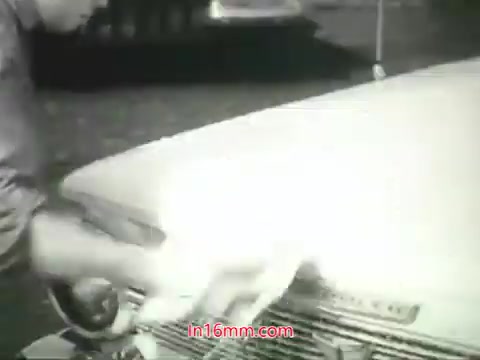
00:00:20.287 — The still captures a man washing the hood of a car, highlighting the theme of cleanliness in the context of urban air pollution. The man is actively scrubbing the vehicle, indicating an effort to remove dirt and grime. Accompanying this visual is a voiceover by Mason Adams that emphasizes the inability to clean one's lungs from the pollutants present in city air. The message is a call to action, urging viewers to contribute towards improving air quality in their communities. The tone reflects a public service announcement aimed at raising awareness about environmental health issues in the 1960s.
00:00:20.787 — The still from the PSA features a close-up of a group of fish submerged in water. The visual likely symbolizes the natural environment, contrasting with the voiceover's message about urban pollution affecting air quality. The film emphasizes the importance of clean air and public health, suggesting that while objects can be washed and cleaned from city pollution, our lungs cannot be. The imagery serves to provoke thought about environmental health and collective responsibility.
00:00:21.288 — The still from the PSA features a close-up shot of a hand washing a soiled item—likely a piece of clothing or fabric—inside a round basin or sink. The image is in black and white, characteristic of 1960s film, emphasizing the action of cleaning. The context of the voiceover by Mason Adams discusses urban air pollution, suggesting that while many objects can be washed to remove dirt and grime, lungs cannot be cleaned in the same way, highlighting the importance of addressing air quality. The overall tone conveys a public health message urging viewers to take action for cleaner air.
00:00:21.788 — The still from the PSA features a close-up of a window with sheer curtains, highlighting the contrast between the clean indoor environment and the polluted outdoor air referenced in Mason Adams' voiceover. The shot captures the idea of urban pollution and emphasizes the message of the importance of clean air. The curtains suggest a barrier between the polluted outside and a healthier indoor space, reinforcing the PSA's theme that while many items can be washed, our lungs cannot be cleaned in the same way. This visual contributes to the urgent call for action to address air quality issues in urban areas.
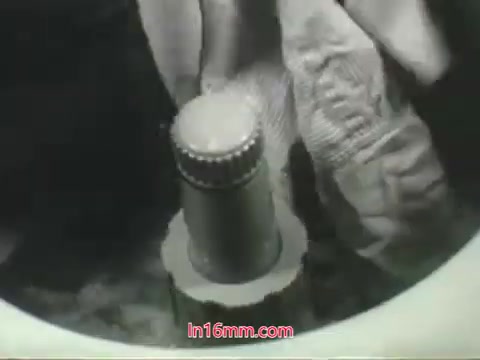
00:00:24.291 — The still from the 'Clean Air Public Health Service PSA' features a close-up of a person's gloved hand interacting with a washing machine or similar appliance. The focus is on a metal component, possibly a lid or knob, suggesting the act of cleaning. The imagery aligns with Mason Adams' voiceover highlighting the importance of air quality in urban settings and the notion that, unlike objects that can be washed, our lungs cannot be cleaned in the same manner. This visual reinforces the message about the consequences of air pollution.
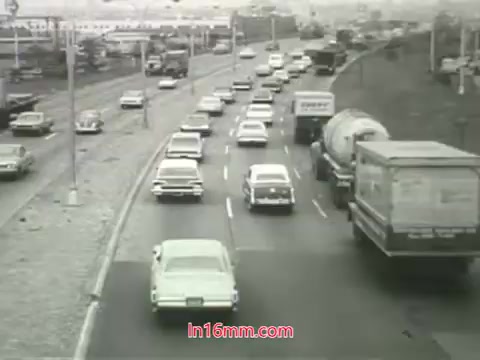
00:00:24.791 — The 16mm still from the PSA depicts a busy urban highway in the 1960s. Numerous cars, predominantly vintage models, are seen traveling along the road which is flanked by signage and possibly industrial areas. The atmosphere appears overcast, hinting at pollution, which aligns with Mason Adams' voiceover regarding air quality issues in cities. The message emphasizes the inability to 'wash' the lungs clean from air pollutants, urging viewers to take action for cleaner air. The overall scene encapsulates the challenges of urban living and environmental health during that era.
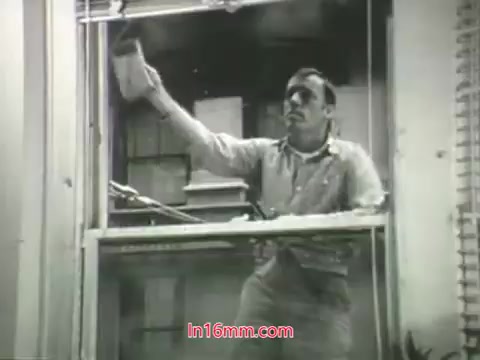
00:00:28.695 — The still from the PSA features a man cleaning a window from the inside of a building. He is dressed casually and appears focused on his task. The scene conveys a sense of the struggle with pollution, emphasized by the voiceover from Mason Adams discussing the challenges of urban air quality. This visual complements the message that while many surfaces can be cleaned, our lungs cannot be washed, urging viewers to consider actions to improve air quality. The overall tone suggests a call to awareness and action related to public health and environmental responsibility.
00:00:29.196 — The still from the 16mm PSA 'Clean Air Public Health Service' featuring Mason Adams showcases the grimy floor of an urban environment, highlighting the effects of pollution. The setting likely includes elements suggesting neglect and dirt resulting from air pollution. The contrast between the unsightly floor and the clean, white architectural features conveys the message about the impact of polluted air on health. The voiceover emphasizes the inability to 'wash' one's lungs, urging viewers to take action toward cleaner air. Overall, the still serves as a visual reminder of the importance of air quality and public health advocacy.
00:00:29.696 — The 16mm still from the 'Clean Air Public Health Service PSA' features a close-up of a hand washing an object, likely to symbolize the act of cleaning contaminants. The imagery aligns with the voiceover by Mason Adams, which emphasizes the inability to wash one's lungs of pollution, highlighting the importance of air quality. The visual underscores the contrast between the physical act of cleaning and the abstract notion of polluted air, aiming to provoke thought about public health and environmental issues in urban areas during the 1960s.
00:00:30.197 — The still depicts a close-up of a person washing something in a sink, with water running from the faucet. The focus on the act of washing emphasizes the message about pollution in urban environments. The accompanying voiceover by Mason Adams underscores the difficulty of cleaning the air compared to washing tangible items. The setting likely reflects the domestic struggle against the backdrop of 1960s public health concerns, illustrating the importance of addressing air quality issues.
00:00:30.697 — The still shows a windshield being washed, with soap suds and water splashing across the glass. It's a close-up shot that emphasizes the action of cleaning, likely symbolizing the effort to remove pollution and improve air quality. In the context of the PSA, it visually contrasts the idea of cleaning surfaces in a polluted city with the notion that lungs cannot be washed, underscoring the importance of addressing air quality issues. The imagery aligns with the message delivered by Mason Adams' voiceover, highlighting both the problem of pollution and a call to action for viewers.
00:00:31.198 — The still from the PSA features a close-up view of a washing machine in action. We see bubbles and water swirling around, emphasizing the cleansing process. This visual metaphor connects to the voiceover by Mason Adams, highlighting the idea that while we can wash away dirt and pollutants from our possessions, we cannot clean our lungs from the effects of polluted air. The machine represents a solution for tangible messes, contrasting with the negative impact of air pollution on health. The ad encourages awareness and action regarding air quality issues.
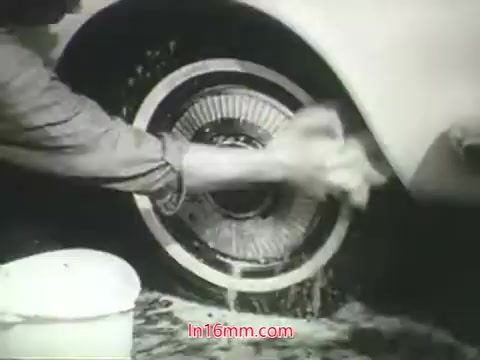
00:00:31.698 — The still from the PSA features a close-up of a person washing a car tire and rim, highlighting the contrast between the act of cleaning and the message about air pollution. The washing is depicted in a monochrome style common in the 1960s, emphasizing grit and effort. The voiceover by Mason Adams reinforces the idea that while one can clean many things affected by pollution, the lungs cannot be washed. This visual reinforces the urgency of addressing air quality concerns.
00:00:32.199 — The still from the PSA features a city street, likely showing a person or machine washing down the pavement, illustrating efforts to combat pollution. The visuals support the narrative by highlighting urban cleanliness amidst environmental issues. The voiceover by Mason Adams emphasizes the importance of addressing air pollution, pointing out that while we can clean surfaces, our lungs remain vulnerable. The message encourages action for cleaner air, urging viewers to engage with local initiatives.
00:00:32.699 — The 16mm still from the PSA featuring Mason Adams’ voiceover highlights the issue of air pollution in urban environments. The image likely depicts a person washing their face or hair, symbolizing the act of cleaning away pollutants. This visual reinforces the message that while many things can be washed, our lungs cannot be cleansed in the same way. The PSA emphasizes the importance of taking action against air pollution, urging viewers to reach out to local authorities to help clear the air.
00:00:33.200 — The still from the 'Clean Air Public Health Service PSA' featuring Mason Adams' voiceover likely depicts a close-up of water, possibly emphasizing cleanliness and the act of washing. The context of the PSA focuses on the issue of air pollution in urban settings and the impact it has on health, particularly highlighting the inability to 'wash' one's lungs despite the ability to clean surfaces. The visual might serve as a metaphor for the need to address air quality.