IBM: Once Upon A Punched Card (1964) Vintage computing
Shotlist & Visual Analysis

00:00:00.000 — The still features a muted, purple backdrop with the faint outline of the IBM logo prominently displayed. This 16mm print captures a moment from 'IBM: Once Upon A Punched Card' (1964), highlighting the historical significance of punch cards in computing. The image evokes a sense of nostalgia, reflecting an era when such technology was revolutionary. Follow us on Twitter @FromFilm for more vintage insights!

00:00:12.412 — This still from 'IBM: Once Upon A Punched Card' depicts a clean, minimal background characteristic of 1960s film aesthetics. The focus is on the evolution of punch card technology, emphasizing its significance in computing history. The film likely explores the transition from early mechanical systems to more advanced computing methods, showcasing IBM's role in this transformation. The muted color palette and grain of the 16mm print evoke a sense of nostalgia, reflecting the era's vintage computing landscape. Follow us on Twitter @FromFilm for more insights!
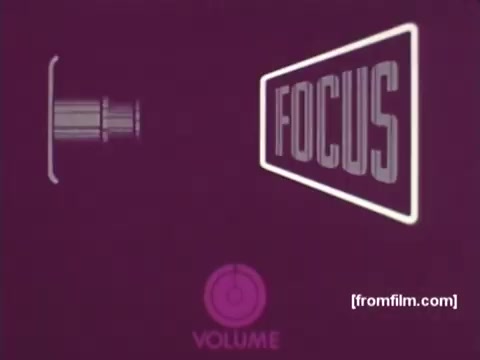
00:00:16.450 — The still from 'IBM: Once Upon A Punched Card' (1964) features a vintage design, showcasing a projector lens beside a large 'FOCUS' graphic on a purple background. Below, an indicator for 'VOLUME' adds to the retro aesthetic. This imagery reflects the film's exploration of the evolution of punch cards in computing, connecting early technology to its 1964 context. Follow us on Twitter @FromFilm for more insights!

00:00:21.421 — The still from 'IBM: Once Upon A Punched Card' (1964) likely showcases the evolution of punch card technology, emphasizing its significance in computing history. The image is a frame from a vintage 16mm print, reflecting the era's aesthetics. Expect to see visual elements indicative of early computing, such as punch cards or early machinery, highlighting their role in data processing and automation. The film illustrates the transition from manual data handling to modern computing practices of the time. Follow us on Twitter @FromFilm for more insights!

00:01:11.772 — The still from 'IBM: Once Upon A Punched Card (1964)' features an abstract view of punched cards, emphasizing the iconic holes used for data input. The image plays with color, showcasing a soft gradient that highlights the card’s surface and the precision of the punched holes. This vintage frame captures the early evolution of computing technology, reflecting on the significance of punch cards in data processing during that era. A minimalist yet striking representation of the transition from manual data handling to automated systems.

00:02:42.362 — The still from 'IBM: Once Upon A Punched Card' (1964) features a close-up of a mechanical system for handling punched cards. It showcases a series of rollers that likely transport or process the cards, emphasizing the intricate technology behind early computing methods. The vintage aesthetic of the 16mm print adds a nostalgic touch, highlighting the historical significance of punched cards in computing. Follow us on Twitter @FromFilm.
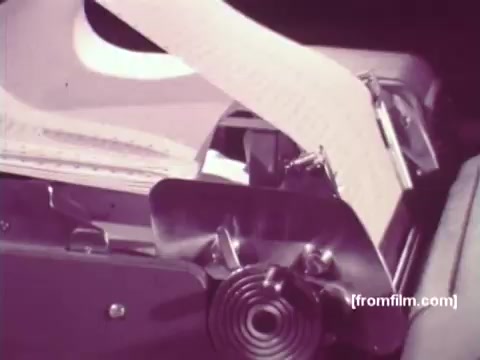
00:02:44.998 — The still from 'IBM: Once Upon A Punched Card' (1964) showcases a close-up of a punch card machine in action. The machine processes punched cards, with the output paper visibly emerging from the device. This moment encapsulates the era's computing technology, highlighting the historical significance of punch cards in data processing. The image serves as a visual reminder of the transition from mechanical to electronic computing. Follow us on Twitter @FromFilm.
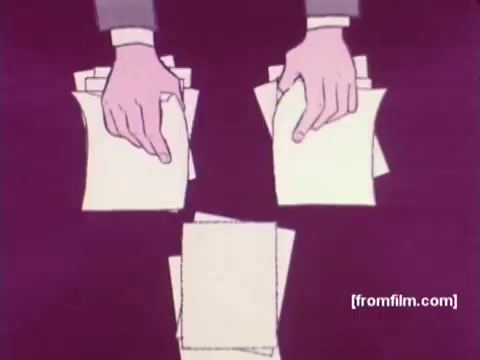
00:03:23.804 — The still from 'IBM: Once Upon A Punched Card (1964)' features a pair of hands sorting through stacks of punch cards. The background has a vibrant purple hue, creating a striking contrast with the white cards. This visual emphasizes the historical significance of punch cards in early computing, illustrating the manual processes involved before the advent of modern technology. The scene encapsulates the era's transition from traditional methods to emerging digital systems. Follow us on Twitter @FromFilm for more vintage insights.

00:03:35.649 — The still from 'IBM: Once Upon A Punched Card' (1964) depicts a mechanical assembly line, likely showcasing the inner workings of punched card technology. The image features a series of rotating rollers, emphasizing the intricate machinery involved in processing punch cards. This scene highlights the era's vintage computing methods, illustrating the transition from manual to automated data handling. The 16mm print captures the nostalgic tones of early computing history, reflecting innovation in data processing systems of the time. Follow us on Twitter @FromFilm.

00:03:44.991 — The still from 'IBM: Once Upon A Punched Card' (1964) showcases a close-up of a punch card mechanism in action. The focus is on the intricate machinery used to handle and process punch cards, highlighting the technology of the era. This visual captures the essence of early computing, illustrating the evolution of data processing methods. A blend of machinery and innovation, it represents a significant chapter in the history of computing. Follow us on Twitter @FromFilm.

00:03:47.661 — The still from 'IBM: Once Upon A Punched Card' (1964) likely depicts a close-up view of early computing machinery, showcasing the intricate mechanics of punch card technology. You can see components like rotating wheels and the punch card slots in action, emphasizing the significance of punch cards in data processing during that era. The focus on movement and machinery illustrates the transition from manual data entry to automated systems. This film highlights the historical evolution of computing, providing context to IBM's role in shaping technology. Follow @FromFilm for more insights!
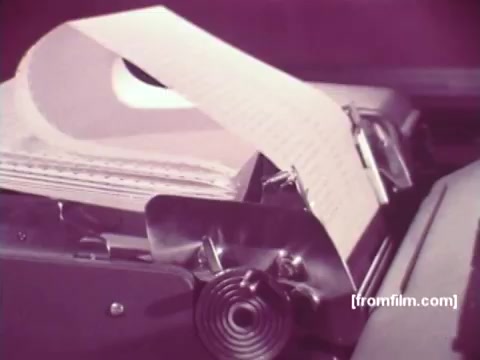
00:03:52.165 — The still from 'IBM: Once Upon A Punched Card (1964)' captures a close-up view of an early computing device, likely a card punch or a similar machine. A lengthy roll of paper is visible, suggesting data being processed or printed, with the focus on the intricate mechanics of computing technology from that era. The soft color palette emphasizes the vintage feel, connecting viewers to the origins of data processing and storage. Follow us on Twitter @FromFilm.
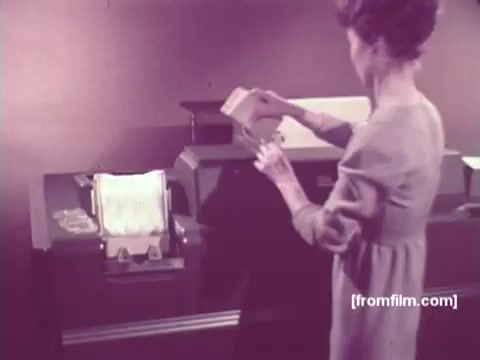
00:03:57.437 — The 16mm still from 'IBM: Once Upon A Punched Card' (1964) depicts a woman interacting with a punched card machine. She is shown about to insert a punched card into the device, highlighting the process of early data input in computing. The scene reflects the historical significance of punched cards as a means of data processing and storage during that era. The background is likely minimalistic, emphasizing the machine's functionality, typical of its time. Overall, it captures a moment that is crucial to the evolution of computing technology. Follow us on Twitter @FromFilm.
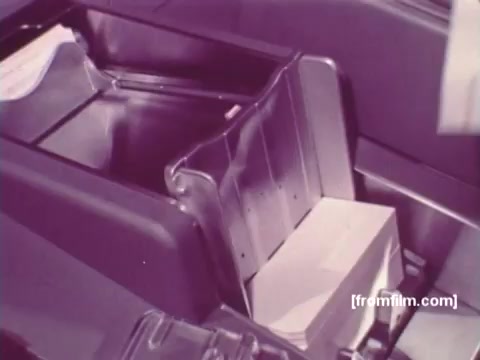
00:04:01.608 — The still from 'IBM: Once Upon A Punched Card (1964)' showcases a close-up of a punch card input system. The 16mm print highlights the mechanical design typical of vintage computing, emphasizing the functionality of punch cards in data processing. The scene reflects the technological evolution of the era, illustrating how information was entered and processed using these early computing methods. The dominant colors and visual texture reveal the film’s historical context, capturing a pivotal moment in the development of information technology. Follow us on Twitter @FromFilm.

00:04:07.681 — The still from 'IBM: Once Upon A Punched Card' (1964) showcases a close-up of a punched card mechanism, capturing the essence of early computing technology. The film traces the evolution of punch cards, highlighting their significance in data processing from inception to the modern era of the 1960s. The 16mm print exudes a nostalgic quality, reflecting the innovative spirit of the time. Follow us on Twitter @FromFilm for more vintage insights.
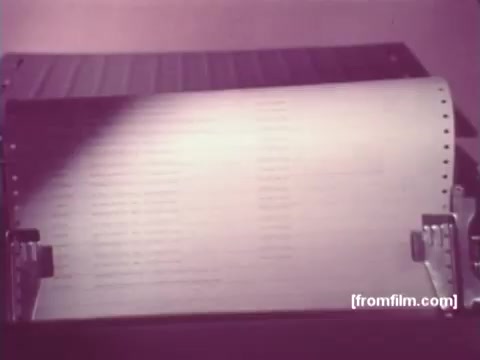
00:04:11.952 — The still from 'IBM: Once Upon A Punched Card (1964)' features a close-up of a punched card being processed, showcasing the machinery involved in early computing. The card is partially unspooled, emphasizing the intricate character patterns. The overall presentation highlights the significance of punch cards in data processing during this era, marking a pivotal moment in the evolution of computing technology. For more insights, follow us on Twitter @FromFilm.
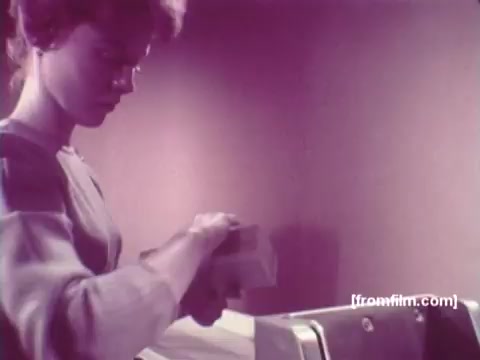
00:04:20.527 — The still from 'IBM: Once Upon A Punched Card' (1964) captures a moment of early computing where a woman is handling a stack of punch cards. The setting is likely an office or laboratory, and the color palette leans towards muted tones, reflecting the vintage aesthetic of the time. Her focused expression suggests a task involving data entry or processing, embodying the pivotal role of punch cards in the computing era. This film serves as an exploration of the evolution of punch cards and their significance in the history of technology.
00:04:33.039 — The still from 'IBM: Once Upon A Punched Card (1964)' showcases a close-up of a punch card reader with a stack of punch cards. The text 'COMPARATIVE FIGURES' is prominently displayed, indicative of a discussion around data processing or statistics related to punch cards. This film highlights the evolution of punch card technology and its significance in the context of computing during the early 1960s. The 16mm print captures the vintage aesthetic of the era, reflecting the period's technological advancements in data management. For more insights, follow us on Twitter @FromFilm.
00:04:38.178 — The still from 'IBM: Once Upon A Punched Card (1964)' features a close-up of a control panel with buttons for 'Comparative Figures' and 'Trend Reporting.' The scene highlights the machinery involved in data processing during the era of punched cards, illustrating the interface used for analytical tasks. The vintage aesthetic evokes a sense of innovation in computing from the mid-20th century. The print's color palette and design elements reflect the technology and design style of that period. Follow us on Twitter @FromFilm.
00:04:40.881 — The still from 'IBM: Once Upon A Punched Card' (1964) features a vintage computing scene, highlighting the use of punched cards for data processing. The text overlay reads 'COMPARATIVE FIGURES TREND REPORTING,' indicating a focus on analytics and information management. The image captures the essential technology of the era, showcasing a printing mechanism outputting data from a punched card system. This piece emphasizes the historical significance of punched cards in business and technology during the 1960s. Follow us on Twitter @FromFilm.
00:04:43.784 — The still from 'IBM: Once Upon A Punched Card' (1964) features a close-up of a punch card processing machine. Bold text overlays the image, stating 'COMPARATIVE FIGURES' and 'TREND REPORTING,' highlighting the focus on data analysis and reporting capabilities of punch cards. The 16mm print emphasizes the vintage computing technology that IBM utilized during this era, showcasing its role in automating information processing. Follow us on Twitter @FromFilm.
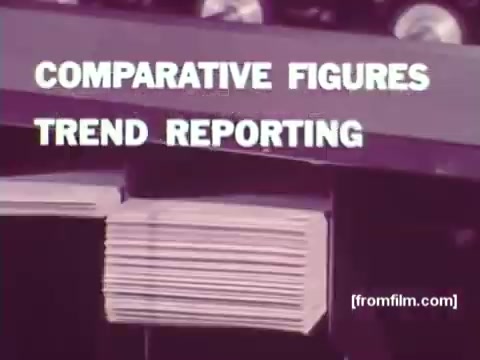
00:04:46.953 — The still from 'IBM: Once Upon A Punched Card' (1964) features text that reads 'COMPARATIVE FIGURES' and 'TREND REPORTING.' The background suggests an industrial or computing environment, likely emphasizing the role of punch cards in data management and reporting processes of the time. This 16mm print captures the vintage aesthetics of the era, underscoring the historical significance of punch cards in computing history.
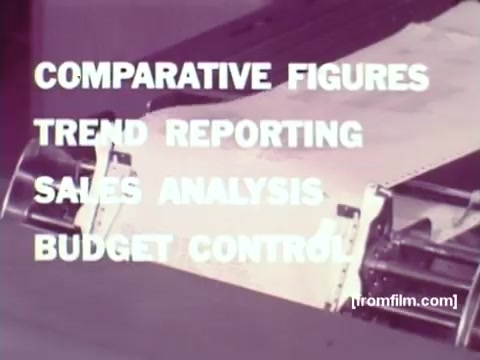
00:04:52.559 — The still from 'IBM: Once Upon A Punched Card (1964)' showcases a vintage computing theme, featuring a punched card reader with text emphasizing key business functions: 'Comparative Figures,' 'Trend Reporting,' 'Sales Analysis,' and 'Budget Control.' The visuals highlight the evolution of data processing through punch cards, illustrating their role in handling various analytical tasks in corporate settings. The 16mm print captures the essence of a transformative era in computing, merging technology with business strategy. Follow us on Twitter @FromFilm for more insights.
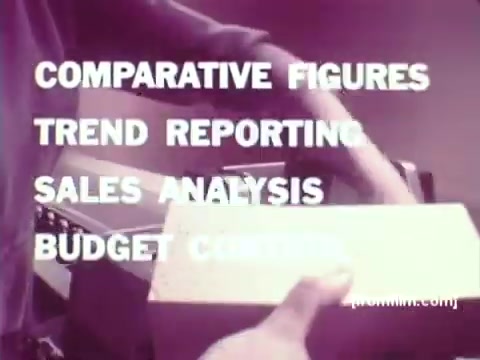
00:04:56.463 — The 16mm still from 'IBM: Once Upon A Punched Card' (1964) showcases a scene focused on various business applications of punch cards. Text elements highlight key functions such as 'Comparative Figures,' 'Trend Reporting,' 'Sales Analysis,' and 'Budget Control.' The visual emphasizes the role of punch cards in data processing during this era, with a hand indicating a box, suggesting interaction with the technology. The vintage aesthetic captures the early days of computing, reflecting on the transformative impact of IBM's innovations. Follow us on Twitter @FromFilm for more insights!
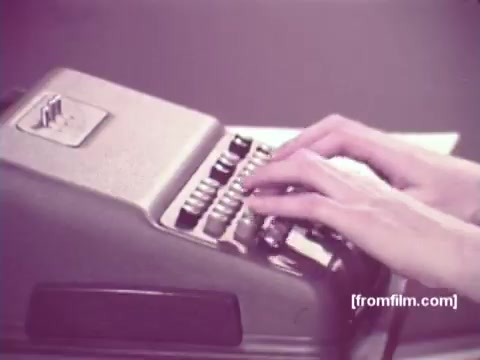
00:05:34.868 — The still from 'IBM: Once Upon A Punched Card (1964)' features a close-up of a person's hands typing on a classic punch card machine. The machine, with its vintage design, highlights the era's technology, emphasizing the tactile and manual process of data entry. The film captures the significance of punch cards in computing history, showcasing their evolution up to 1964. The image reflects a nostalgic glimpse into the past of computing practices. Follow us on Twitter @FromFilm.
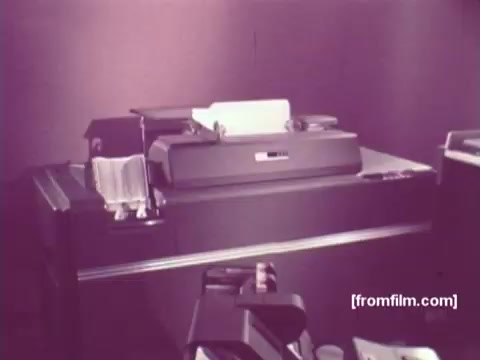
00:05:47.914 — The still from *IBM: Once Upon A Punched Card (1964)* showcases a vintage computing setup featuring a punch card machine. The focus is on the intricate machinery of the era, highlighting the importance of punched cards in data processing. The muted colors suggest a historical context, capturing a moment in the evolution of computing technology. This film serves as a visual narrative of how punched cards revolutionized data handling practices from their inception to the mid-20th century. Follow @FromFilm for more insights!
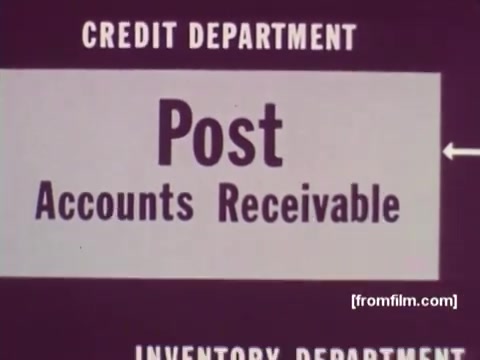
00:06:22.649 — The still from 'IBM: Once Upon A Punched Card' (1964) showcases a graphical presentation of information related to the Credit Department and Inventory Department, highlighting the term 'Post Accounts Receivable.' The design features bold typography against a simple color background, typical of educational films from that era. This section likely illustrates the role of punch cards in organizing and processing data within business contexts, emphasizing the transition from manual to automated systems in computing. Follow us on Twitter @FromFilm for more vintage insights!
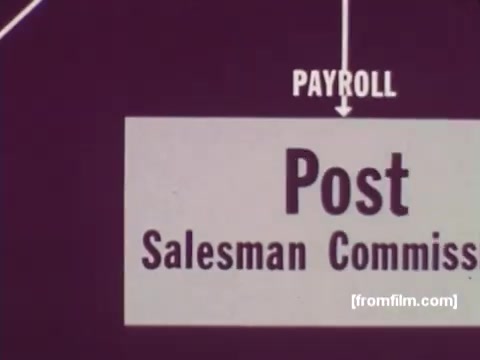
00:06:24.484 — The still from 'IBM: Once Upon A Punched Card' features a graphic representation of information flow, specifically focusing on 'Payroll' linked to 'Post' and 'Salesman Commission.' The design emphasizes clarity and structure, typical of educational materials from the 1960s. The use of bold typography and arrows illustrates the organizational aspects of data processing with punched cards, highlighting their role in computing history. The color scheme is simple, reinforcing the informative tone. For more, follow @FromFilm on Twitter!
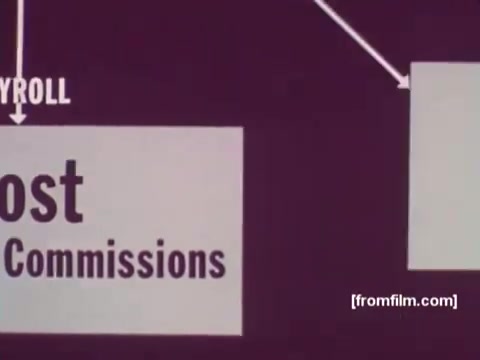
00:06:26.052 — The still from 'IBM: Once Upon A Punched Card (1964)' showcases a segment that illustrates the evolution of punched card technology in computing. It features bold text and arrows pointing to different components related to data processing, possibly highlighting payroll or commission-related information. This vintage print captures the educational and technical focus of IBM's narrative on the pivotal role of punch cards in early computing systems. Follow us on Twitter @FromFilm for more insights.
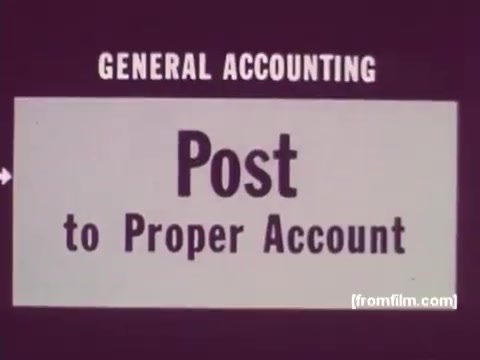
00:06:27.921 — In this still from 'IBM: Once Upon A Punched Card' (1964), we see a title card reading 'GENERAL ACCOUNTING' with a directive to 'Post to Proper Account.' The design reflects mid-20th century aesthetics, showcasing the importance of punch cards in accounting and data management during that era. This film encapsulates the historical evolution of data handling, illustrating how punch cards were integral to the computing process. Follow us on Twitter @FromFilm for more updates!
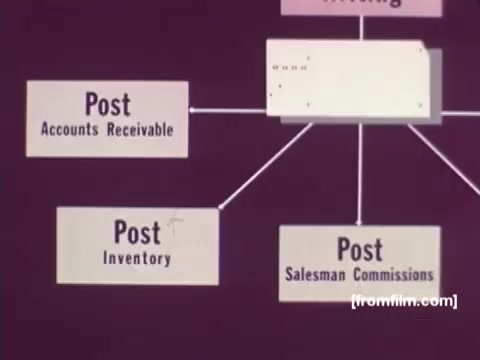
00:06:51.911 — The still from 'IBM: Once Upon A Punched Card (1964)' illustrates a flowchart demonstrating the use of punched cards in various accounting processes. Each segment is labeled 'Post' with categories like Accounts Receivable, Inventory, and Salesman Commissions. The design is simple and functional, reflecting the technological landscape of the era. The distinct visual style, characteristic of mid-20th century informational films, emphasizes the organizational role of punch cards in computing. Follow us on Twitter @FromFilm.

00:08:24.237 — The 16mm still from 'IBM: Once Upon A Punched Card' (1964) features two punched cards prominently displayed: one labeled 'PAYROLL CHECK' and another 'INVOICES.' These cards represent the practical applications of punch card technology in business processes during the era. The visual emphasizes the evolution of data recording and processing, showcasing how these cards played a crucial role in handling financial information. For more insights, follow us on Twitter @FromFilm.
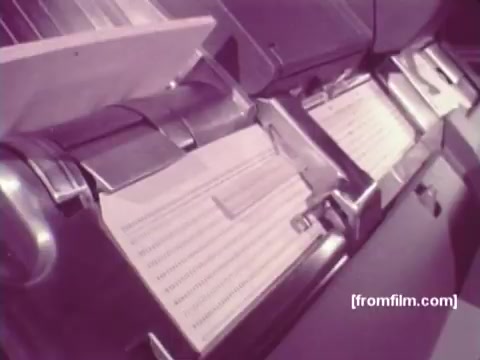
00:08:45.058 — The still from 'IBM: Once Upon A Punched Card (1964)' showcases a close-up of early computing machinery, focused on punch card readers. The film likely highlights the evolution and significance of punch cards in data processing and computing history. The 16mm print captures the mechanical intricacies of the devices, emphasizing their role in automating information handling during the 1960s. Follow us on Twitter @FromFilm for more vintage computing insights!

00:08:47.394 — The still from 'IBM: Once Upon A Punched Card (1964)' showcases a series of cylindrical rollers in a machine, likely part of an automated system for processing punch cards. This image highlights the technology of the era, emphasizing the mechanical efficiency of punch card systems that were foundational to early computing. The 16mm print captures the industrial aesthetic of vintage computing, reflecting IBM's role in the evolution of data processing. Follow us on Twitter @FromFilm.