National Wildlife Federation PSA

Shotlist & Visual Analysis
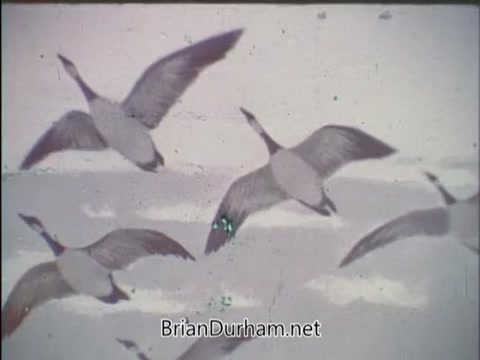
The still depicts a flock of birds in flight, likely over a body of water. The birds are captured mid-motion, showcasing their wings spread wide, emphasizing their grace and the natural environment. The overall tone is soft and slightly faded, characteristic of 16mm film, contributing to a nostalgic feel. The scene portrays a moment in nature, aligning with themes of wildlife conservation.
00:00:00.000 — The still depicts a flock of birds in flight, likely over a body of water. The birds are captured mid-motion, showcasing their wings spread wide, emphasizing their grace and the natural environment. The overall tone is soft and slightly faded, characteristic of 16mm film, contributing to a nostalgic feel. The scene portrays a moment in nature, aligning with themes of wildlife conservation.

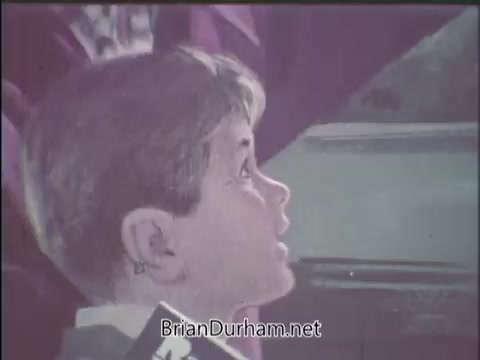
The still features a young boy with short, light-colored hair, gazing upward with a look of curiosity or amazement. His expression suggests he is engaged or captivated by something above him. The background appears to be somewhat blurred, indicating a focus on the boy. The scene likely conveys a message about wildlife or nature, fitting the theme of a National Wildlife Federation PSA.
00:00:04.037 — The still features a young boy with short, light-colored hair, gazing upward with a look of curiosity or amazement. His expression suggests he is engaged or captivated by something above him. The background appears to be somewhat blurred, indicating a focus on the boy. The scene likely conveys a message about wildlife or nature, fitting the theme of a National Wildlife Federation PSA.

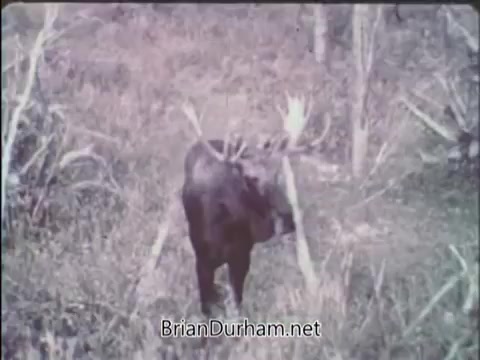
The still from the 'National Wildlife Federation PSA' features a moose in a natural setting, surrounded by grass and sparse vegetation. It appears to be a tranquil moment in wildlife, highlighting the importance of conservation. The colors are somewhat muted, typical for older film formats, conveying a nostalgic tone.
00:00:21.321 — The still from the 'National Wildlife Federation PSA' features a moose in a natural setting, surrounded by grass and sparse vegetation. It appears to be a tranquil moment in wildlife, highlighting the importance of conservation. The colors are somewhat muted, typical for older film formats, conveying a nostalgic tone.

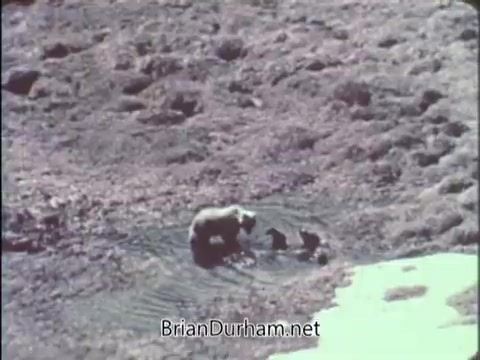
The still features a bear and two cubs, likely interacting in a natural setting. The environment appears rugged and earthy, possibly depicting a wilderness area. The image suggests a focus on wildlife and conservation themes, aligning with the purpose of the National Wildlife Federation's public service announcement.
00:00:32.366 — The still features a bear and two cubs, likely interacting in a natural setting. The environment appears rugged and earthy, possibly depicting a wilderness area. The image suggests a focus on wildlife and conservation themes, aligning with the purpose of the National Wildlife Federation's public service announcement.

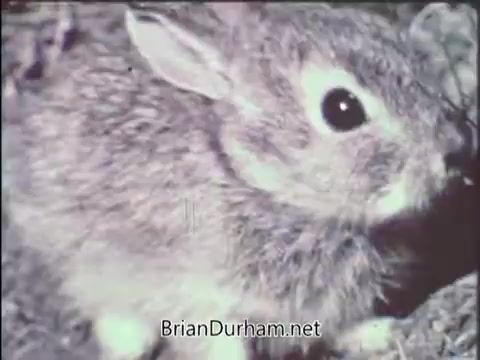
The still features a close-up of a small, furry rabbit, showcasing its large, expressive eyes and soft fur. The background appears natural and somewhat blurred, emphasizing the rabbit's features. This image likely serves to highlight wildlife in the context of conservation awareness, typical of a National Wildlife Federation public service announcement.

00:00:35.702 — The still features a close-up of a small, furry rabbit, showcasing its large, expressive eyes and soft fur. The background appears natural and somewhat blurred, emphasizing the rabbit's features. This image likely serves to highlight wildlife in the context of conservation awareness, typical of a National Wildlife Federation public service announcement.

Film Transcript / Subtitles

Hey, Dad! Dad, look! Look at the geese! That's right, son. We in America still have a chance to protect all our natural resources. You know, to understand conservation, we must learn to live with nature. We must conserve and wisely use our wildlife resources, our clean water, and our fresh air. Our forests and grasslands. That's what conservation education means. Don't let these great resources be destroyed. Only through education for us, in our schools for our children today and their children tomorrow, can we keep a beautiful and a productive America. To learn how you can help, write the National Wildlife Federation, Department 101, Washington, D.C.