Pat Paulsen PSA for the Environment Protection Agency - 1970's

Shotlist & Visual Analysis
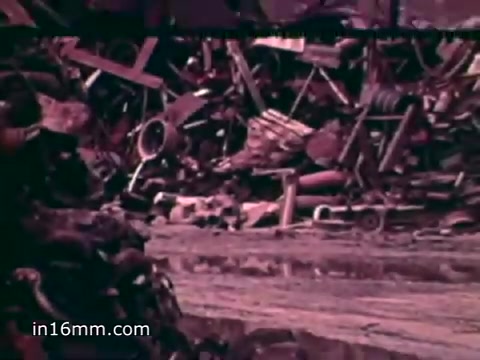
The still from 'Pat Paulsen PSA for the Environment Protection Agency - 1970's' depicts a cluttered junkyard filled with various discarded items. Piles of metal, appliances, and debris create a stark visual representation of waste. The voiceover highlights alarming statistics about solid waste production in the U.S., emphasizing the extensive amounts of cans, bottles, plastics, and other materials being thrown away annually. The imagery serves to illustrate the urgent need for environmental awareness and waste management.
00:00:00.667 — The still from 'Pat Paulsen PSA for the Environment Protection Agency - 1970's' depicts a cluttered junkyard filled with various discarded items. Piles of metal, appliances, and debris create a stark visual representation of waste. The voiceover highlights alarming statistics about solid waste production in the U.S., emphasizing the extensive amounts of cans, bottles, plastics, and other materials being thrown away annually. The imagery serves to illustrate the urgent need for environmental awareness and waste management.

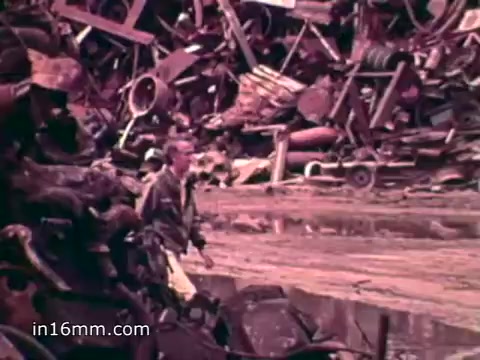
The 16mm still from 'Pat Paulsen PSA for the Environment Protection Agency' depicts a man walking through a waste site filled with discarded materials. The background features a chaotic assortment of scrap metal and refuse, highlighting the environmental impact of solid waste. The voiceover provides stark statistics about annual waste production in the U.S., emphasizing the scale of the problem and the urgent need for environmental awareness and action.
00:00:01.869 — The 16mm still from 'Pat Paulsen PSA for the Environment Protection Agency' depicts a man walking through a waste site filled with discarded materials. The background features a chaotic assortment of scrap metal and refuse, highlighting the environmental impact of solid waste. The voiceover provides stark statistics about annual waste production in the U.S., emphasizing the scale of the problem and the urgent need for environmental awareness and action.

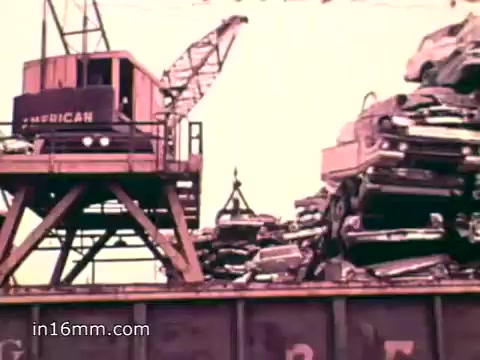
The still from the 'Pat Paulsen PSA for the Environment Protection Agency' depicts a scene featuring a large crane operating over a pile of crushed cars. The crane is positioned on a platform labeled 'AMERICAN,' suggesting a focus on industrial waste and recycling. This visual emphasizes the growing problem of solid waste in the U.S., aligning with the voiceover statistics on discarded materials and the environmental impact of excess consumption. The overall tone reflects a call for awareness and action regarding waste management in the 1970s.
00:00:06.039 — The still from the 'Pat Paulsen PSA for the Environment Protection Agency' depicts a scene featuring a large crane operating over a pile of crushed cars. The crane is positioned on a platform labeled 'AMERICAN,' suggesting a focus on industrial waste and recycling. This visual emphasizes the growing problem of solid waste in the U.S., aligning with the voiceover statistics on discarded materials and the environmental impact of excess consumption. The overall tone reflects a call for awareness and action regarding waste management in the 1970s.

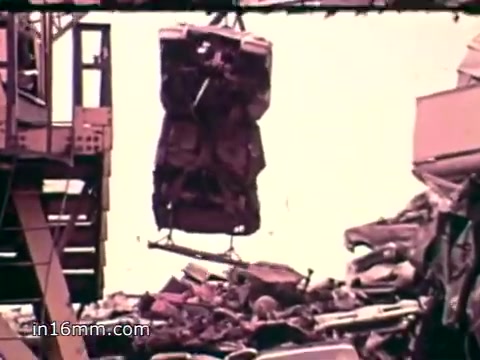
The still depicts a junkyard scene where a crane lifts a crushed car from a pile of refuse. The background shows a chaotic landscape of discarded items, emphasizing the overwhelming amount of solid waste generated annually in the U.S. The visual underscores the urgency of environmental issues presented in the voiceover, which details the staggering statistics of waste production and disposal.
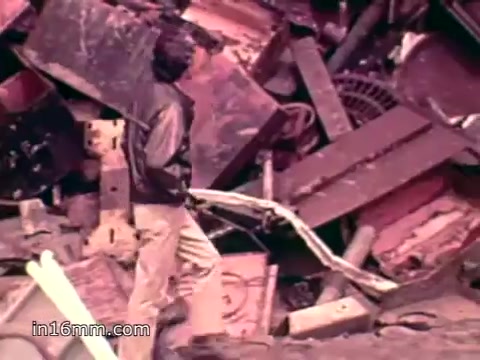
00:00:10.043 — The still depicts a junkyard scene where a crane lifts a crushed car from a pile of refuse. The background shows a chaotic landscape of discarded items, emphasizing the overwhelming amount of solid waste generated annually in the U.S. The visual underscores the urgency of environmental issues presented in the voiceover, which details the staggering statistics of waste production and disposal.

The still from 'Pat Paulsen PSA for the Environment Protection Agency - 1970s' depicts a person walking through a chaotic landscape of discarded materials, including metal and plastic debris. The scene highlights the significant volume of waste produced in the U.S., such as cans, bottles, and appliances, emphasizing the environmental impact of consumer throwaway culture. The voiceover underscores the staggering annual totals of solid waste, lending a sense of urgency to the need for environmental protection and waste management.
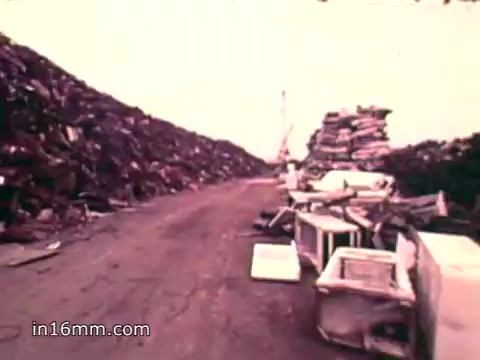
00:00:11.178 — The still from 'Pat Paulsen PSA for the Environment Protection Agency - 1970s' depicts a person walking through a chaotic landscape of discarded materials, including metal and plastic debris. The scene highlights the significant volume of waste produced in the U.S., such as cans, bottles, and appliances, emphasizing the environmental impact of consumer throwaway culture. The voiceover underscores the staggering annual totals of solid waste, lending a sense of urgency to the need for environmental protection and waste management.

The still from 'Pat Paulsen PSA for the Environment Protection Agency' depicts a stark landscape filled with towering piles of solid waste, including a variety of discarded items like appliances and vehicles. The scene emphasizes the overwhelming scale of waste generated annually in the U.S., aligning with the voiceover's statistics on the massive quantities of cans, bottles, plastics, and other materials contributing to environmental concerns during the 1970s. The road through the waste conveys a sense of neglect and urgency regarding the need for environmental protection.
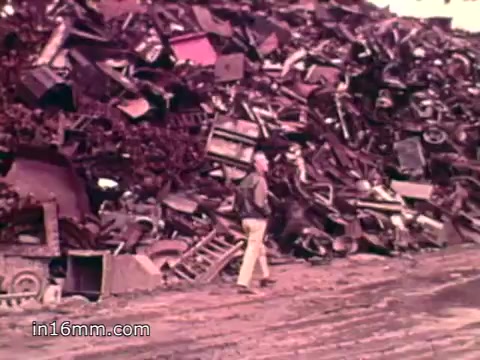
00:00:22.322 — The still from 'Pat Paulsen PSA for the Environment Protection Agency' depicts a stark landscape filled with towering piles of solid waste, including a variety of discarded items like appliances and vehicles. The scene emphasizes the overwhelming scale of waste generated annually in the U.S., aligning with the voiceover's statistics on the massive quantities of cans, bottles, plastics, and other materials contributing to environmental concerns during the 1970s. The road through the waste conveys a sense of neglect and urgency regarding the need for environmental protection.

The still depicts a large, chaotic pile of discarded items, including metal scraps and various consumer goods, highlighting the overwhelming amount of waste generated in the U.S. during the 1970s. In the foreground, a person walks along a dirt path, seemingly dwarfed by the sheer scale of the waste. This visual serves as a stark reminder of the environmental challenges posed by consumerism, aligning with the voiceover's statistics on waste production and its impact.
00:00:24.791 — The still depicts a large, chaotic pile of discarded items, including metal scraps and various consumer goods, highlighting the overwhelming amount of waste generated in the U.S. during the 1970s. In the foreground, a person walks along a dirt path, seemingly dwarfed by the sheer scale of the waste. This visual serves as a stark reminder of the environmental challenges posed by consumerism, aligning with the voiceover's statistics on waste production and its impact.

The still from the PSA features a person standing in muddy water, likely reflecting environmental pollution. The focus on their feet emphasizes the messy, hazardous conditions caused by waste, underscoring the message regarding the significant solid waste problem in the U.S., as highlighted in the voiceover. The scene likely aims to evoke concern and raise awareness about environmental protection.
00:00:27.527 — The still from the PSA features a person standing in muddy water, likely reflecting environmental pollution. The focus on their feet emphasizes the messy, hazardous conditions caused by waste, underscoring the message regarding the significant solid waste problem in the U.S., as highlighted in the voiceover. The scene likely aims to evoke concern and raise awareness about environmental protection.

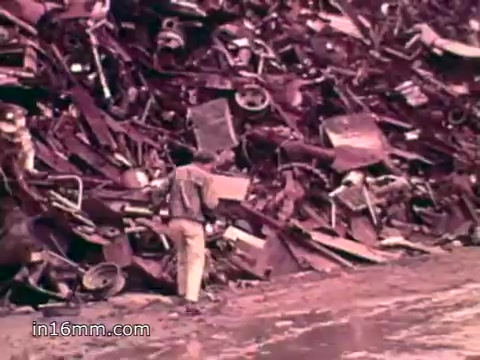
The still from the 1970s PSA featuring Pat Paulsen shows a person standing in front of a large, chaotic pile of scrap metal and discarded materials. This visual highlights the overwhelming issue of solid waste in the United States, which the voiceover stresses is in the millions of tons annually. The imagery serves to convey the environmental impact of excessive waste production, reinforcing the urgency of addressing pollution and promoting sustainability.
00:00:29.196 — The still from the 1970s PSA featuring Pat Paulsen shows a person standing in front of a large, chaotic pile of scrap metal and discarded materials. This visual highlights the overwhelming issue of solid waste in the United States, which the voiceover stresses is in the millions of tons annually. The imagery serves to convey the environmental impact of excessive waste production, reinforcing the urgency of addressing pollution and promoting sustainability.

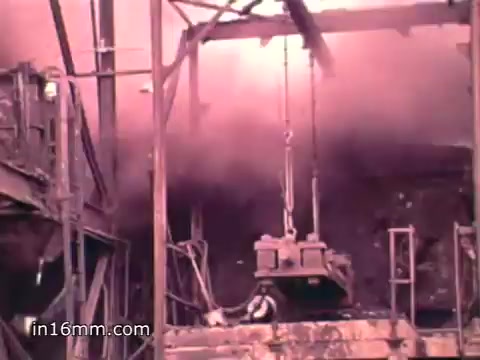
The still from the Pat Paulsen PSA for the Environmental Protection Agency displays a factory or waste processing facility, shrouded in smoke. It captures the industrial impact of waste management, emphasizing the staggering volume of solid waste generated annually in the U.S. The tone is likely serious, reflecting the urgent need for environmental awareness and action during the 1970s.
00:00:32.332 — The still from the Pat Paulsen PSA for the Environmental Protection Agency displays a factory or waste processing facility, shrouded in smoke. It captures the industrial impact of waste management, emphasizing the staggering volume of solid waste generated annually in the U.S. The tone is likely serious, reflecting the urgent need for environmental awareness and action during the 1970s.

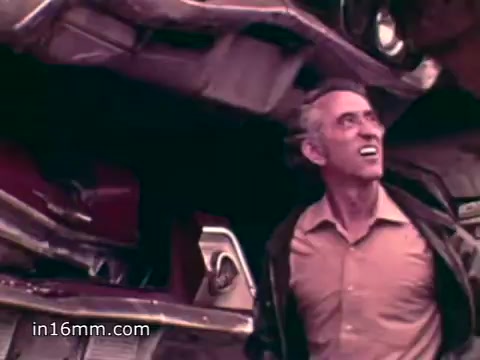
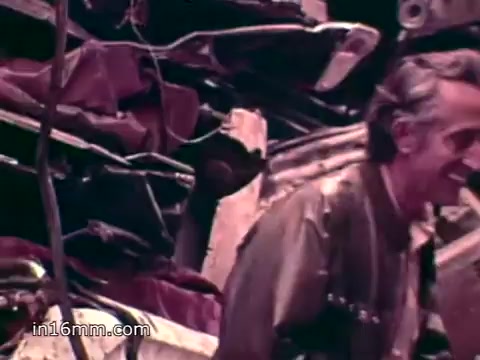
The still features a middle-aged man smiling and looking upward in a scrapyard filled with discarded cars. The scene emphasizes the issue of solid waste, highlighting the extensive amount of trash produced in the U.S. and the environmental concerns associated with it, as conveyed by the voiceover statistics regarding waste disposal.
00:00:34.334 — The still features a middle-aged man smiling and looking upward in a scrapyard filled with discarded cars. The scene emphasizes the issue of solid waste, highlighting the extensive amount of trash produced in the U.S. and the environmental concerns associated with it, as conveyed by the voiceover statistics regarding waste disposal.

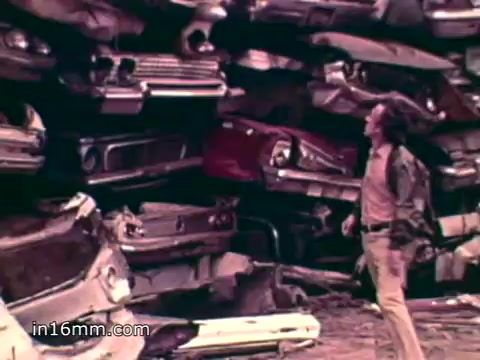
The still features a man standing amidst a towering pile of junked cars in a junkyard, symbolizing waste accumulation. This visual aligns with the voiceover statistics about the significant waste produced annually in the U.S., highlighting environmental concerns related to solid waste. The scene communicates a message about the impact of consumerism and the pressing need for environmental awareness and action in the 1970s.
00:00:38.538 — The still features a man standing amidst a towering pile of junked cars in a junkyard, symbolizing waste accumulation. This visual aligns with the voiceover statistics about the significant waste produced annually in the U.S., highlighting environmental concerns related to solid waste. The scene communicates a message about the impact of consumerism and the pressing need for environmental awareness and action in the 1970s.

The still from 'Pat Paulsen PSA for the Environment Protection Agency' depicts a man smiling in front of a backdrop of discarded materials, likely highlighting the issue of waste. The voiceover emphasizes the staggering amount of solid waste produced annually in the United States, including various items like cans, bottles, and plastics, underscoring the environmental impact of consumerism and the need for awareness and action regarding waste management.

00:00:44.244 — The still from 'Pat Paulsen PSA for the Environment Protection Agency' depicts a man smiling in front of a backdrop of discarded materials, likely highlighting the issue of waste. The voiceover emphasizes the staggering amount of solid waste produced annually in the United States, including various items like cans, bottles, and plastics, underscoring the environmental impact of consumerism and the need for awareness and action regarding waste management.

The still features the emblem of the United States Environmental Protection Agency (EPA) against a blue background. The logo displays a stylized image of a plant and water, symbolizing environmental protection. The text indicates the agency's name and location in Washington, D.C. This imagery aligns with the context of raising awareness about solid waste issues in the United States, as highlighted by the voiceover discussing the vast amounts of waste produced annually.

00:00:52.819 — The still features the emblem of the United States Environmental Protection Agency (EPA) against a blue background. The logo displays a stylized image of a plant and water, symbolizing environmental protection. The text indicates the agency's name and location in Washington, D.C. This imagery aligns with the context of raising awareness about solid waste issues in the United States, as highlighted by the voiceover discussing the vast amounts of waste produced annually.

Film Transcript / Subtitles

The solid wastes produced in the United States now total four and a third billion tons a year. The annual throwaway includes 48 billion cans, 26 billion bottles, 4 million tons of plastic, 7.5 million television sets, 30 million tons of paper, and 7 million cars and trucks. It costs over 4.5 billion dollars for disposal each year. Americans see the effect of the present solid waste load everywhere. In smoking dumps that wring their cities and add to the pollution of their air. In foul-smelling barges that make their way out to sea to dump their cargoes of sludge. In the overflowing garbage cans that line their sidewalks and alleys. And in the acres of automobile graveyards that mar the countryside. I swore I parked my car out here somewhere. For information about solid waste pollution, write to the Environmental Protection Agency, Washington DC 20460.