Salmonella PSA - American Medical Association 1960's
Shotlist & Visual Analysis

00:00:21.722 — The still from the 'Salmonella PSA - American Medical Association 1960's' depicts a simple kitchen setting. It features a checkered floor, an upright refrigerator, and a countertop with a sink. The design suggests a focus on cleanliness and food safety, aligning with the theme of educating viewers about the risks of salmonella from improperly prepared food. The overall aesthetic is reminiscent of 1960s animation, with a clean, geometric style.

00:00:30.297 — The still from the 'Salmonella PSA - American Medical Association 1960s' features animated hands pouring granules, possibly representing food or cleaning substances, into a bowl. This likely symbolizes the importance of proper food handling and hygiene to prevent salmonella contamination. The visual emphasizes awareness of food safety practices to avoid foodborne illnesses.

00:00:39.339 — The still from the 'Salmonella PSA - American Medical Association 1960's' features an animated scene depicting a hand placing an egg into a frying pan. The style is cartoonish, emphasizing the theme of food safety. The image highlights concerns about salmonella, a bacteria often associated with improperly cooked food, especially eggs. This visual serves as a cautionary reminder about the importance of cooking food thoroughly to prevent foodborne illness.

00:00:42.509 — The still features an animated depiction of cluttered kitchenware, including plates, utensils, and glassware, likely symbolizing potential sources of salmonella contamination. The stylized art conveys a retro aesthetic typical of 1960s public service announcements, emphasizing the importance of food safety in preventing salmonella poisoning, which is predominantly associated with improperly handled meat, poultry, and eggs.

00:00:44.811 — The still features an animated representation of various food items, including a bottle of milk, a stack of bread, leafy greens, and sliced deli meat. A fork is resting in a dish with a pink substance. The color palette is soft and pastel-like, emphasizing a simplistic, cartoonish style typical of educational materials from the 1960s, aiming to convey messages about food safety and the risks of salmonella contamination.

00:00:45.646 — The still from the 'Salmonella PSA - American Medical Association 1960s' shows a pair of hands mixing what appears to be a powder into a bowl. The animation style is simplistic and colorful, typical of educational films from that era. This scene likely underscores the importance of proper food preparation to avoid salmonella contamination, emphasizing hygiene practices when handling food items, especially raw or undercooked ingredients like meat and eggs.

00:00:46.747 — The still from the 'Salmonella PSA - American Medical Association 1960's' depicts a pair of hands actively washing with soap, set against a plain background. This imagery emphasizes the importance of hand hygiene in preventing salmonella infections, which are commonly contracted through contaminated food. The visual serves as a reminder of basic food safety practices to combat foodborne illness.

00:00:48.015 — The still features anthropomorphic characters sitting atop the stylized word 'SALMONELLA.' The characters appear cartoonish and playful, one resembling a slim figure and the other a larger, round figure, both conveying a humorous take on a serious topic. The background has a dynamic, swirling pattern, adding to the playful aesthetic. This playful imagery contrasts with the serious health message about salmonella poisoning and its sources, focusing on the importance of food safety.
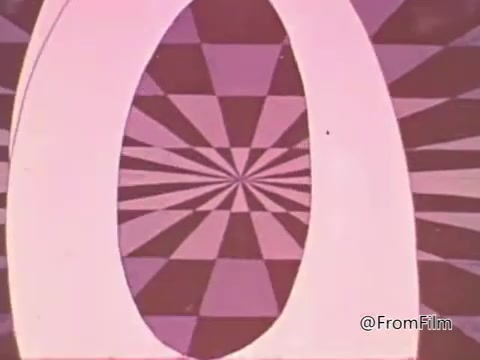
00:00:53.420 — The still from the 'Salmonella PSA - American Medical Association 1960's' features a vibrant, eye-catching design with a prominent oval shape at the center, surrounded by a radiating pattern of geometric shapes. The colors are likely a mix of pinks and purples, typical of mid-20th century animation styles. This visual suggests a dynamic approach to capturing viewers' attention, likely serving to convey an educational message about salmonella and food safety. The overall aesthetic reflects the era's graphic design trends, aiming to inform the public about the risks associated with raw or undercooked foods.