The Turning Point PSA - 1960's

Shotlist & Visual Analysis
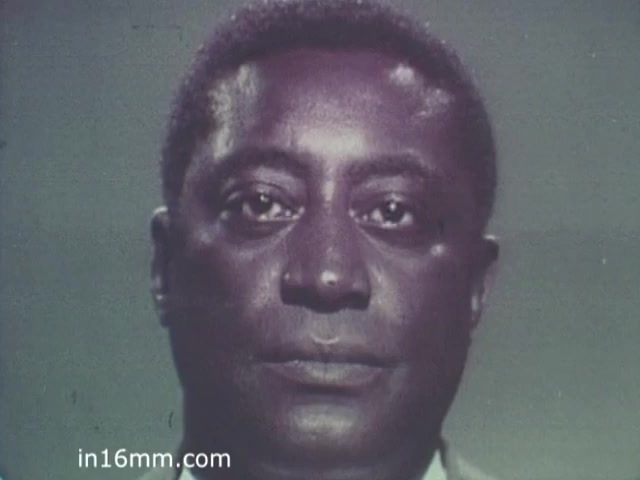
The still from 'The Turning Point PSA - 1960s' features a close-up of a man with a serious expression. His face is illuminated against a neutral background, emphasizing the gravity of the message. The image conveys a sense of urgency and importance, typical of public service announcements from that era.
00:00:00.000 — The still from 'The Turning Point PSA - 1960s' features a close-up of a man with a serious expression. His face is illuminated against a neutral background, emphasizing the gravity of the message. The image conveys a sense of urgency and importance, typical of public service announcements from that era.

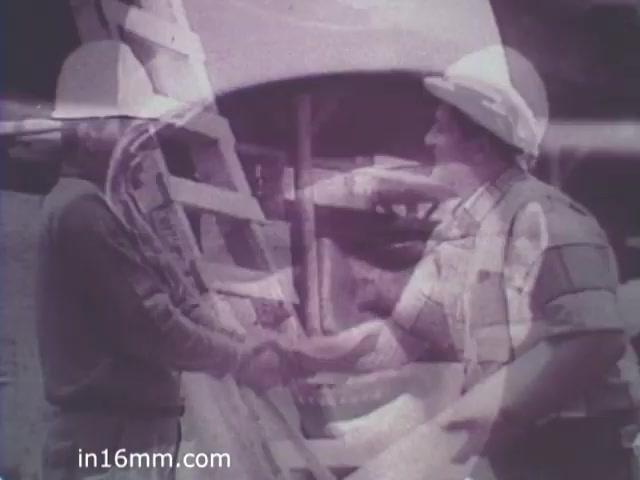
The still features two individuals, both wearing hard hats, shaking hands in a construction setting. One is standing on a ladder, while the other appears beside construction materials. The image has a vintage aesthetic typical of the 1960s, suggesting themes of teamwork and collaboration within the workplace. The context appears related to a public service announcement about safety or operational practices in construction.
00:00:07.641 — The still features two individuals, both wearing hard hats, shaking hands in a construction setting. One is standing on a ladder, while the other appears beside construction materials. The image has a vintage aesthetic typical of the 1960s, suggesting themes of teamwork and collaboration within the workplace. The context appears related to a public service announcement about safety or operational practices in construction.

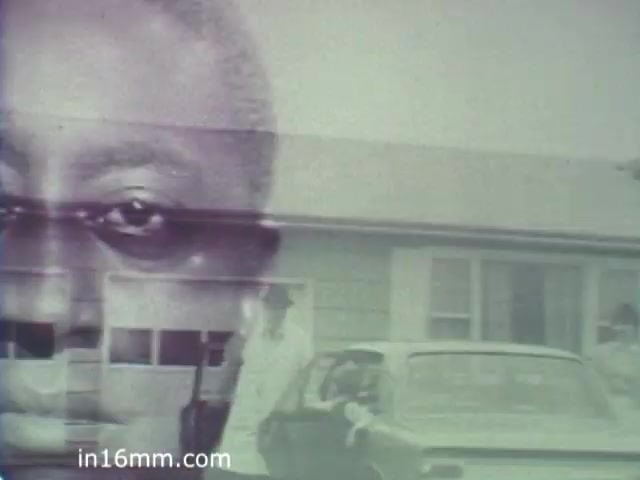
The still features a prominent close-up of a man's face, possibly conveying a sense of intensity or contemplation. In the background, there's a suburban house and a car, suggesting an everyday context. The juxtaposition of the facial image with the setting may evoke themes of personal or societal challenges, likely pertinent to the message of the 'Turning Point' PSA from the 1960s. The overall composition hints at a narrative involving individuals and their environments, reflecting broader social issues.
00:00:16.216 — The still features a prominent close-up of a man's face, possibly conveying a sense of intensity or contemplation. In the background, there's a suburban house and a car, suggesting an everyday context. The juxtaposition of the facial image with the setting may evoke themes of personal or societal challenges, likely pertinent to the message of the 'Turning Point' PSA from the 1960s. The overall composition hints at a narrative involving individuals and their environments, reflecting broader social issues.

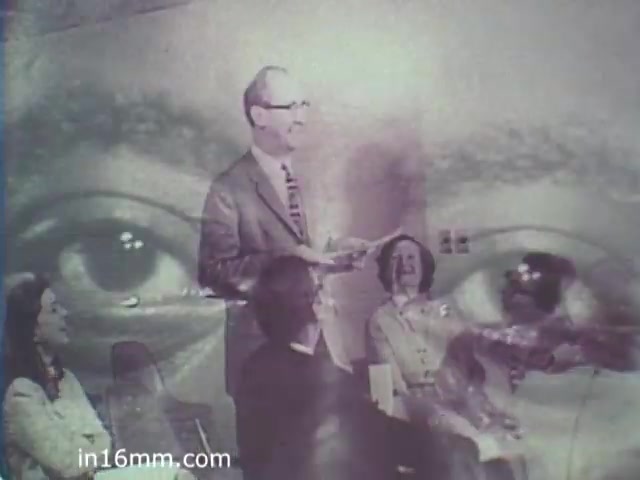
The still features a multi-layered image, prominently showing a man in a suit speaking, likely at a meeting or presentation. He appears engaged and animated. In the background, there's an overlay of large, expressive eyes, suggesting a theme of awareness or introspection. A group of people, including women and men, are seated and seemingly attentive, creating an inclusive atmosphere. The visual style reflects a retro vibe characteristic of the 1960s.

00:00:37.237 — The still features a multi-layered image, prominently showing a man in a suit speaking, likely at a meeting or presentation. He appears engaged and animated. In the background, there's an overlay of large, expressive eyes, suggesting a theme of awareness or introspection. A group of people, including women and men, are seated and seemingly attentive, creating an inclusive atmosphere. The visual style reflects a retro vibe characteristic of the 1960s.

Film Transcript / Subtitles

What does the black man want, anyway? He wants what you want. You want a crack at a better job. So does he. You want to live in the best house you can afford. So does he. You want a good education for your kids. So does he. You want to be treated with respect. So does he. And you want to be accepted just for yourself. So does he. We all want the same things. But it takes love to accept each other as brothers. And love comes from God. Send for the free booklet, The Turning Point. Write to Religion in American Life. Thank you. I'll take your book to learn more about it. You can use it to act. します let's turn it to your body. You can use it. Vigilations in American Life. The 한univers who choose for control.