Vincent Van Gogh: A Self-Portrait (1961)
Shotlist & Visual Analysis
00:00:44.211 — The still from *Vincent Van Gogh: A Self-Portrait (1961)*, featuring Lee J. Cobb, captures a vibrant yet textured scene that reflects Van Gogh's signature brushwork. The composition likely showcases elements reminiscent of Van Gogh's style, emphasizing rich colors and expressive forms. The intimate ambiance suggests a focus on the artist's emotional state and personal journey, drawing viewers into his world.
00:01:04.097 — The still from 'Vincent Van Gogh: A Self-Portrait' (1961) features an abstract representation of Van Gogh's brushwork, characterized by vibrant colors and textured patterns. The film, narrated by Lee J. Cobb, emphasizes the emotional depth and complexity of Van Gogh's art, showcasing both his creative process and personal struggles. The image likely captures the essence of Van Gogh’s style, blending visual artistry with biographical narrative.
00:01:05.966 — The still from 'Vincent Van Gogh: A Self-Portrait' (1961) features a close-up view of Van Gogh's brushwork, showcasing rich textures and vibrant colors characteristic of his style. The artwork reflects Van Gogh’s unique approach to painting, emphasizing emotional depth and expressive technique. The overlay text indicates that the image is not for broadcast.
00:01:07.701 — The still from 'Vincent Van Gogh: A Self-Portrait' (1961) likely features vibrant brush strokes and a textured depiction, characteristic of Van Gogh’s style. Colors are bold and dynamic, hinting at the emotional depth associated with his work. The scene might reflect elements of Van Gogh’s life or artistic vision, showcasing the interplay between his surroundings and his creative process. For more context and to support the channel, visit the provided link.
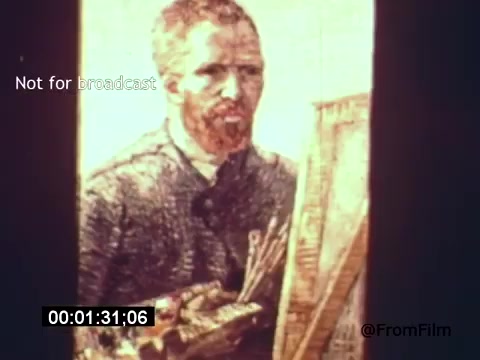
00:01:09.970 — The still from 'Vincent Van Gogh: A Self-Portrait' (1961) features Lee J. Cobb portraying Van Gogh. The image captures a moment of introspection, showcasing Cobb as Van Gogh, holding brushes and standing before an easel. The color palette is warm, reflecting Van Gogh's artistic style. The emphasis is on the expressive features of Van Gogh, highlighting the emotional depth of the character.
00:01:14.174 — The still from 'Vincent Van Gogh: A Self-Portrait' (1961) likely features an abstract, textured representation that mimics Van Gogh's painting style, characterized by vibrant colors and dynamic brush strokes. This artistic interpretation connects the viewer to Van Gogh's emotive use of color and texture. The film, narrated by Lee J. Cobb, delves into the life and works of the iconic painter, emphasizing his artistic journey.
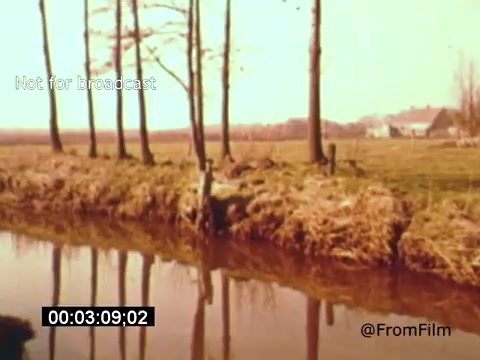
00:02:47.801 — The still from 'Vincent Van Gogh: A Self-Portrait' (1961) captures a serene landscape featuring a calm waterway lined with bare trees. The earthy colors suggest a tranquil rural scene, reflecting the natural beauty that influenced Van Gogh's work. In the background, a farmhouse can be seen, enhancing the pastoral ambiance. The overall mood conveys a sense of peaceful solitude, emblematic of Van Gogh's introspective nature.
00:02:52.506 — The 16mm still from 'Vincent Van Gogh: A Self-Portrait' (1961) features a close-up view of a textured roof, likely emphasizing the artistic nature of the film. The warm colors and intricate patterns suggest a connection to Van Gogh's own style. The shot is intriguing, inviting viewers to engage with the film’s exploration of the artist's life and work, narrated by Lee J. Cobb. The overlay text indicates that this footage is not for broadcast, adding a layer of exclusivity. Support for the channel can be found at: https://ko-fi.com/fromfilm.
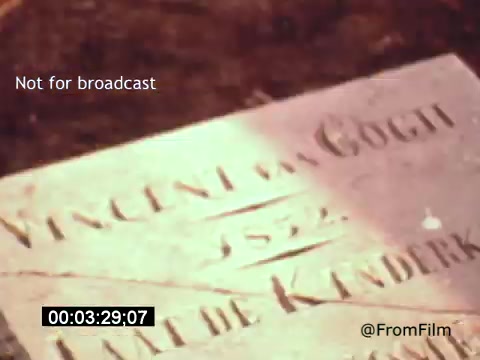
00:03:08.021 — The still from 'Vincent Van Gogh: A Self-Portrait' (1961) features a close-up of a gravestone inscribed with 'VINCENT VAN GOGH' and the date '1853'. This scene evokes a somber reflection on the artist's life and legacy, as the film, narrated by Lee J. Cobb, delves into Van Gogh's experiences and emotional struggles. The shot captures the significance of his burial site, emphasizing the lasting impact of his artistry.
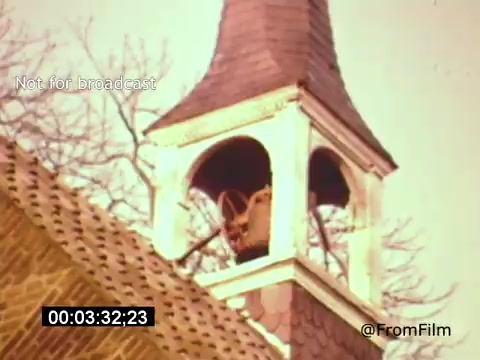
00:03:11.525 — The still from 'Vincent Van Gogh: A Self-Portrait' (1961) depicts the bell tower of a church, capturing the architectural detail of the building with a vibrant color palette. The bell inside the tower is visible, and the image showcases the contrast between the textured roof and the clear structure of the tower. The scene is serene, hinting at the historical context of Van Gogh's life. Lee J. Cobb likely provides narration, enhancing the narrative depth of the film.
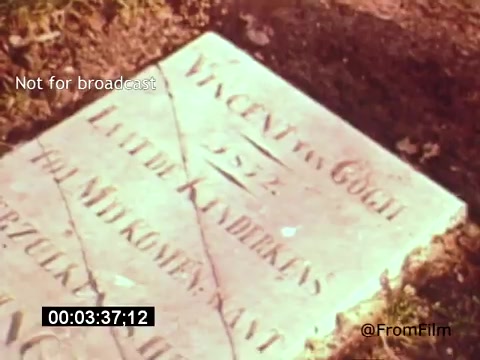
00:03:16.163 — The still from 'Vincent Van Gogh: A Self-Portrait' (1961) shows a gravestone, which likely marks the final resting place of Vincent Van Gogh. The inscription reads 'Vincent van Gogh 1853' and features a poignant reminder of his troubled life and legacy. The shot’s composition emphasizes the gravestone against a natural background, evoking a sense of reflection on the artist's life and impact.
.](/user/pages/07.v/0138.vincent-van-gogh-a-self-portrait-1961/scene_13_frame_06010.jpg)
00:03:18.899 — The still from 'Vincent Van Gogh: A Self-Portrait' (1961) features a close-up view of a church bell tower. The bell is prominently displayed within the tower structure, surrounded by a hatched roof and visible trees in the background. The scene captures a serene moment, hinting at Van Gogh's connection to nature and the landscapes surrounding him. The muted colors contribute to a nostalgic and reflective atmosphere. Lee J. Cobb's narration may enhance the visual storytelling. Support the channel at [Ko-fi](https://ko-fi.com/fromfilm).
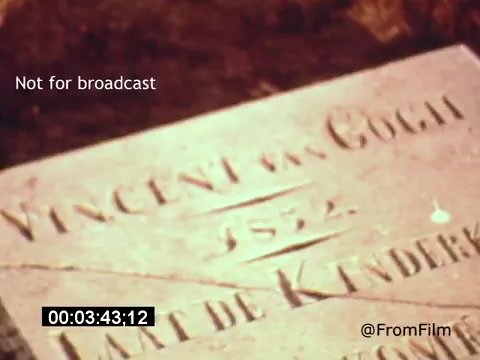
00:03:22.202 — The still from 'Vincent Van Gogh: A Self-Portrait' (1961) features a close-up of a gravestone with the name 'Vincent van Gogh' engraved on it, along with the year '1882.' The image captures the artist's resting place, evoking a somber reflection on his life and legacy. The footage is timestamped, indicating its position within the film.
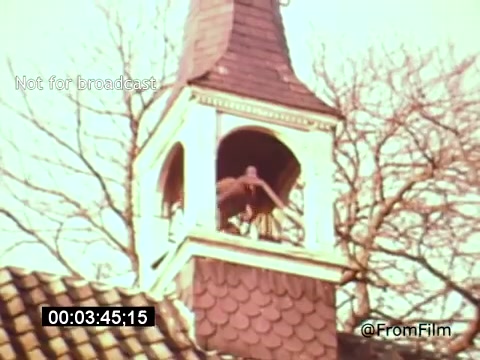
00:03:24.271 — The still from 'Vincent Van Gogh: A Self-Portrait' (1961) features a bell tower with a distinctive architectural style. A figure is perched outside the bell chamber, framed against the backdrop of tree branches. The color palette is soft and warm, evoking a nostalgic feel. The scene captures a moment of reflection, aligning with the artistic themes of Van Gogh's life.
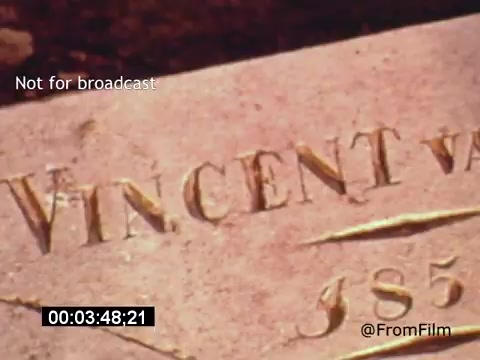
00:03:27.507 — The still from 'Vincent Van Gogh: A Self-Portrait' (1961) features a close-up of a stone or plaque, likely marking Van Gogh's grave. The inscription reads 'VINCENT VAN' followed by '1853,' indicating his name and birth year. The background is blurred, drawing attention to the text, which emphasizes themes of legacy and remembrance. The film, narrated by Lee J. Cobb, explores Van Gogh's life and work, providing insight into his artistic genius.
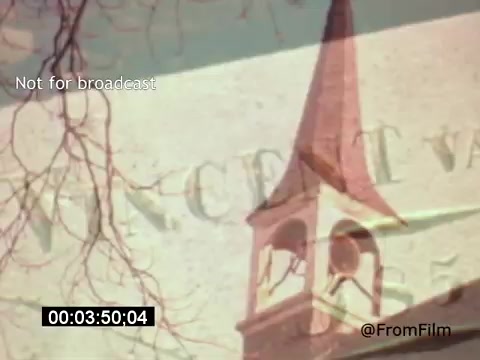
00:03:28.942 — The still from 'Vincent Van Gogh: A Self-Portrait' (1961) features a muted, layered image that includes a church steeple and textual elements related to Van Gogh. The composition hints at themes of memory and reflection, characteristic of the film's exploration of the artist's life. Notably, the presence of tree branches suggests a connection to nature, which was significant in Van Gogh's work. Lee J. Cobb's voice likely provides narration, enhancing the intimate exploration of Van Gogh's psyche and artistry.
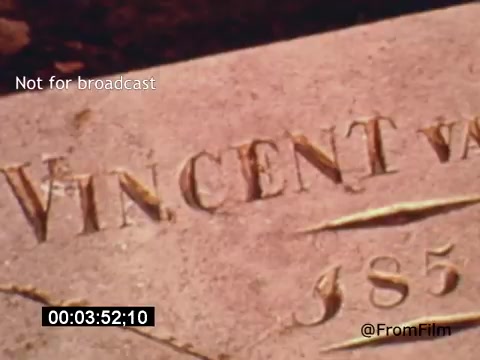
00:03:31.111 — The still from 'Vincent Van Gogh: A Self-Portrait' (1961) features a close-up of a gravestone with the engraved name 'VINCENT VAN G.' and the year '1853.' The focus on the stone evokes a sense of reflection on Van Gogh’s life and legacy, while the craftsmanship of the engraving adds a poignant, historical weight to the image. The film, narrated by Lee J. Cobb, explores the intricate details of Van Gogh's artistic journey and personal struggles. For more insights and support for our channel, visit: https://ko-fi.com/fromfilm.
00:03:50.464 — The still from 'Vincent Van Gogh: A Self-Portrait' (1961) features a wooden pulpit, likely set in a church interior. The pulpit has ornate detailing and is accompanied by a staircase leading up to it. The scene suggests an atmosphere of reflection or discourse, possibly in relation to Van Gogh's life and art. The image is framed with a time code at the bottom, indicating its origin from a film recording.
00:04:03.610 — The still from 'Vincent Van Gogh: A Self-Portrait' (1961) features a dimly lit scene with an open book in the foreground, likely symbolizing Van Gogh’s reflections or thoughts. The background reveals impressions of figures, possibly suggesting a moment of introspection or solitude. The overall ambiance conveys a sense of contemplation, reflecting the complex emotions associated with Van Gogh's life and work. Lee J. Cobb provides narration, enhancing the film's exploration of the artist’s psyche.
00:04:18.225 — In this still from 'Vincent Van Gogh: A Self-Portrait' (1961), the focus is on a beautifully lit stained glass window, likely situated in a church or an artistically significant location. The light filters through the intricately designed glass, casting a warm glow that emphasizes the colors and patterns. The composition, combined with the somber ambiance, hints at the contemplative themes of the film, which features Lee J. Cobb. The scene reflects the emotional depth associated with Van Gogh's work and life.
00:05:13.713 — The still from 'Vincent Van Gogh: A Self-Portrait' (1961) features an abstract, layered composition showcasing industrial machinery, likely symbolizing the contrasts between Van Gogh's art and the mechanized world. The color palette is rich and vivid, enhancing the emotional depth of the scene. The presence of overlaid textures adds a dreamlike quality, aligning with themes of perception and creativity found in Van Gogh's work. Lee J. Cobb's narration likely enriches this visual experience by providing insight into the artist's psyche.
00:05:18.618 — The still from 'Vincent Van Gogh: A Self-Portrait' (1961) features a close-up of an actor portraying Van Gogh, emphasizing a contemplative and intense expression. The lighting highlights the character's weathered features, which reflect the emotional depth of the artist's life. The background seems blurred, putting focus on the face, conveying a sense of introspection and struggle. The image captures the essence of Van Gogh's tumultuous spirit, complemented by the film's artistic cinematography.
00:05:26.993 — The still from 'Vincent Van Gogh: A Self-Portrait' (1961) features a group of miners in a rustic setting, likely emerging from a mine. They wear hard hats and work attire, suggesting a grueling day of labor. The ambiance conveys a sense of camaraderie among the workers, with muted colors reflecting the somber yet resilient spirit of their environment. Lee J. Cobb’s narration likely drives the emotional depth, connecting Van Gogh's artistic legacy to the shared experiences of such laborers.
00:05:29.696 — The still from 'Vincent Van Gogh: A Self-Portrait' (1961) features a group of men, likely in a working-class setting, dressed in muted clothing. Their expressions appear serious or contemplative, evoking an atmosphere of toil and struggle. The film, narrated by Lee J. Cobb, explores Van Gogh's life and art through a unique lens, emphasizing the emotional weight of the artist's experiences. The visual style combines color and texture to reflect the period’s aesthetic. The overlay text indicates the image is not intended for broadcast.
00:05:36.703 — The still from 'Vincent Van Gogh: A Self-Portrait' (1961) depicts a montage or impressionistic scene featuring figures walking, possibly representing the tumultuous journey of Van Gogh's life. The overlapping visuals suggest a blend of reality and memory, echoing themes of struggle and artistic passion. Lee J. Cobb's voice adds depth to the portrayal of the iconic artist. This stylistic choice reinforces the film's exploration of Van Gogh's complex character and legacy.
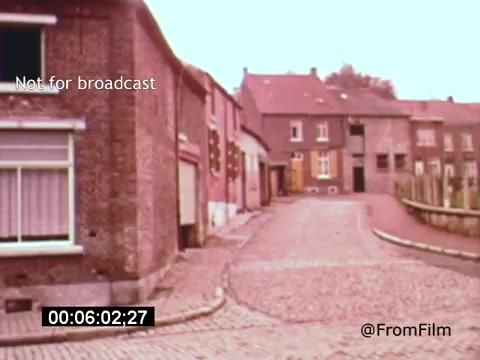
00:05:41.641 — The still from 'Vincent Van Gogh: A Self-Portrait' (1961) depicts a quiet, cobblestone street lined with rustic buildings. The scene conveys a sense of tranquility, emphasizing the artistic and historical context of Van Gogh’s life. The muted colors and vintage film quality enhance the nostalgic atmosphere, suggesting a connection to the artist’s environment. The presence of Lee J. Cobb suggests a narration or dramatic element, adding depth to the visual narrative.
00:05:45.078 — The still from 'Vincent Van Gogh: A Self-Portrait (1961)' features an overlay of a quaint street scene, capturing the essence of Van Gogh's environment. The colors are soft, with a dreamlike quality, hinting at the artist's emotional landscape. It evokes a sense of nostalgia and reflection, aligning with the introspective nature of the film, narrated by Lee J. Cobb. The scene suggests an exploration of Van Gogh's life and artistry through a unique visual perspective.
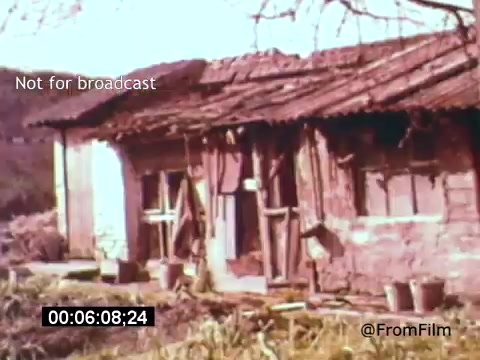
00:05:47.514 — The still from 'Vincent Van Gogh: A Self-Portrait' (1961) features a rustic, dilapidated building, showcasing an earthy color palette typical of the film's period aesthetic. The structure has a weathered wooden roof and an unfinished appearance, reflecting the artist's tumultuous life. The image effectively evokes a sense of place and time, drawing viewers into Van Gogh's world. The scene likely sets a contemplative mood, aligning with the themes explored in the film.
00:05:49.916 — The still from *Vincent Van Gogh: A Self-Portrait* (1961) features a blurred, textured scene that likely captures a significant location related to Van Gogh's life or work. The colors appear muted and layered, suggesting a reflective or nostalgic tone. This visual style may align with the film's exploration of Van Gogh's artistry and struggles. The text overlay indicates it is not for broadcast, emphasizing its archival nature.
00:05:52.986 — The still from 'Vincent Van Gogh: A Self-Portrait' (1961) features two buckets filled with what appears to be a mix of soil and organic material, possibly representing Van Gogh's connection to nature and the elements he often painted. The color palette is subtly muted, typical of the era's film aesthetics. The presence of timer information suggests it's part of a larger narrative or scene. The film, narrated by Lee J. Cobb, explores Van Gogh's artistic journey and personal struggles.
00:06:03.663 — The still from 'Vincent Van Gogh: A Self-Portrait' (1961) depicts a serene, sepia-toned scene featuring a group of figures walking, possibly in a field or rural setting. The image emphasizes the expressive nature of Vincent Van Gogh's style, hinting at themes of movement and human experience, reflective of the artist's life and struggles. The presence of Lee J. Cobb adds a narrative depth, likely providing context to Van Gogh's artistic journey.
00:06:08.501 — The 16mm still from 'Vincent Van Gogh: A Self-Portrait' (1961) features an abstract and textured representation, likely emulating Vincent Van Gogh's distinctive style. The muted reddish tones and bold strokes create a dynamic visual, hinting at the expressive nature of Van Gogh's work. This short film, narrated by Lee J. Cobb, explores the artist's life and creativity through a blend of imagery and commentary.
00:06:37.931 — The still from 'Vincent Van Gogh: A Self-Portrait (1961)' features a stark, leafless tree set against a muted landscape, possibly reflecting the desolation often associated with Van Gogh’s art. The image captures the somber, introspective tone of the film, which utilizes Lee J. Cobb's narration to explore Van Gogh's life and emotional struggles. The scene's composition and color palette evoke a feeling of isolation, aligning with the themes central to Van Gogh's work.
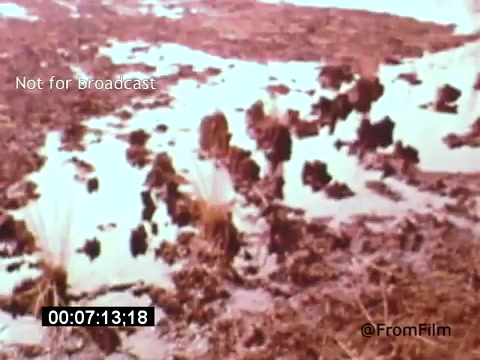
00:06:52.312 — The still from 'Vincent Van Gogh: A Self-Portrait' (1961) features a muddy landscape with patches of water reflecting light. The scene conveys a natural, somewhat somber atmosphere, aligning with Van Gogh's contemplative nature. The film, narrated by Lee J. Cobb, explores the artist's life and work, offering insights into his struggles and artistic vision.
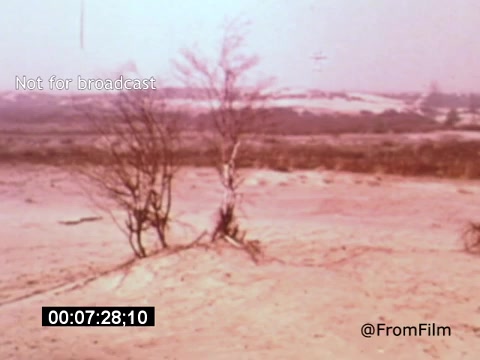
00:07:07.093 — The 16mm still from 'Vincent Van Gogh: A Self-Portrait' (1961) features a barren landscape dominated by sparse vegetation, with a couple of bare trees standing amidst a muted, sandy terrain. The color palette appears soft and slightly desaturated, evoking a dreamlike quality. This visual backdrop emphasizes themes of isolation and introspection, complementing the film's exploration of Van Gogh's life and artistry. The still captures a moment of stillness and reflection, inviting viewers to consider the emotional depth of the artist's experiences.
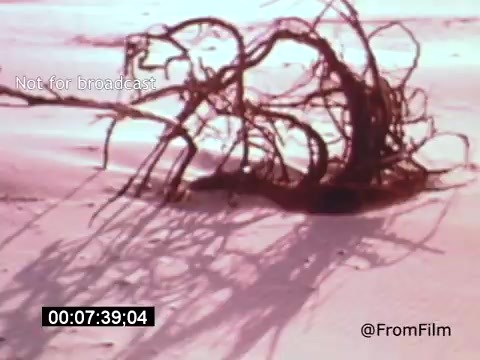
00:07:17.904 — The 16mm still from 'Vincent Van Gogh: A Self-Portrait' (1961) features a close-up of gnarled branches or roots, casting intricate shadows against a soft, sandy background. The color palette suggests a dreamlike quality, evoking themes of nature and introspection reflective of Van Gogh's emotional depth. Lee J. Cobb lends his voice to this exploration of the artist's legacy.
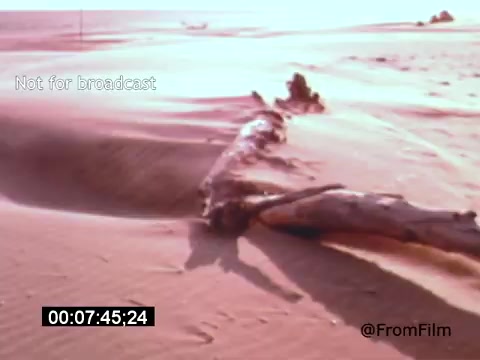
00:07:24.577 — The still from 'Vincent Van Gogh: A Self-Portrait' (1961) depicts a desolate landscape featuring a weathered log resting on sandy terrain. The scene is bathed in a soft, warm light, creating an ethereal atmosphere. This aesthetic choice aligns with the film's exploration of Van Gogh's emotional landscape, reflecting the artist's internal struggles and vibrant creativity. The composition evokes themes of isolation and introspection. Lee J. Cobb’s narration likely enhances the poignant connection to Van Gogh’s life and work.
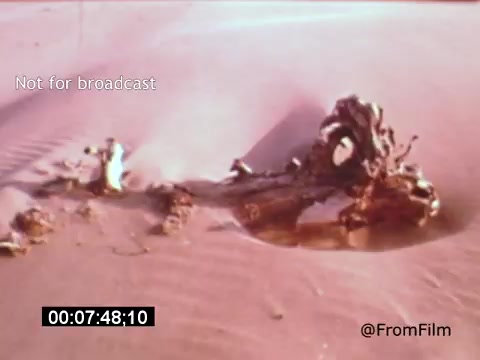
00:07:27.113 — The still from 'Vincent Van Gogh: A Self-Portrait' (1961), featuring Lee J. Cobb, captures a desolate landscape with a weathered tree trunk resting on sand dunes. The warm colors and soft light evoke a sense of solitude, reflecting themes of isolation often associated with Van Gogh's life and work. The image conveys a poignant connection to nature and the passage of time, emphasizing the artist's emotional depth and turbulent existence.
00:07:28.748 — The still from 'Vincent Van Gogh: A Self-Portrait' (1961) features a textured, abstract composition, likely representing elements related to Van Gogh’s life or art. The play of light and shadow creates a dramatic effect, evoking the emotional depth often associated with Van Gogh’s works. The frame is marked 'Not for broadcast,' suggesting its use is restricted. The presence of Lee J. Cobb indicates a narrative or voiceover role in conveying Van Gogh's story.
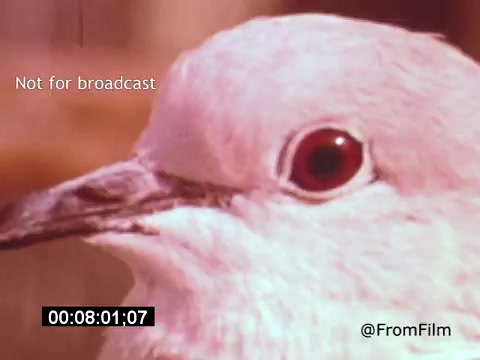
00:07:39.959 — The still from 'Vincent Van Gogh: A Self-Portrait (1961)' features a close-up of a bird, highlighting its eye and beak. The focus on the bird suggests themes of nature and perhaps mirrors Van Gogh’s own fascination with the natural world. The use of color and texture in the image echoes the expressive style associated with Van Gogh's artwork. This sequence likely reflects the introspective and emotional depth of the film, narrated by Lee J. Cobb.
00:07:40.660 — The still from 'Vincent Van Gogh: A Self-Portrait' (1961) appears to capture a blurred and abstract moment, conveying a sense of movement or emotion. The colors are vivid, possibly reflecting Van Gogh's unique palette, and the composition might evoke the artist's turbulent inner world. The film, featuring Lee J. Cobb, delves into Van Gogh's life and art. This still suggests a focus on the intensity of his creative vision.
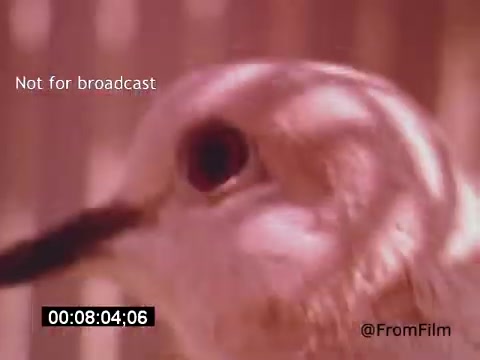
00:07:42.929 — The still features a close-up of a bird, focusing on its eye and beak. The colors appear warm and soft, creating an intimate atmosphere. The visual is likely part of a larger exploration of Van Gogh's life or art, with Lee J. Cobb possibly providing narration or context. The shot's abstract quality invites viewers to reflect on the emotional depth associated with Van Gogh’s work.
00:07:43.663 — The still from 'Vincent Van Gogh: A Self-Portrait' (1961) likely showcases an artistic and abstract representation of Van Gogh's themes, using vibrant imagery and bold colors to evoke his emotional intensity. This film features Lee J. Cobb, who would narrate or portray the complex inner life of the artist. The scene captures the essence of Van Gogh's struggles and artistry, possibly incorporating visual elements that reflect his famous styles and motifs.
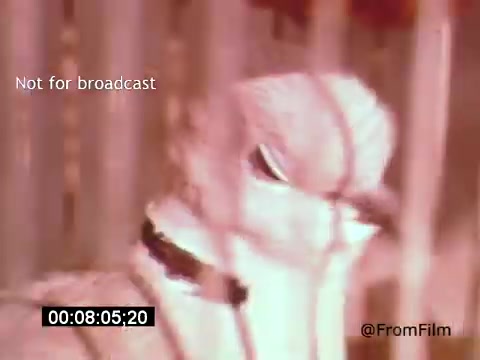
00:07:44.364 — The still from 'Vincent Van Gogh: A Self-Portrait' (1961) features a close-up of a bird in a cage, possibly symbolizing themes of confinement or the struggle for freedom. The vibrant colors and texture of the image may evoke Van Gogh's own artistic style. The presence of Lee J. Cobb suggests a narrative element, potentially linking to Van Gogh’s life and emotional states.
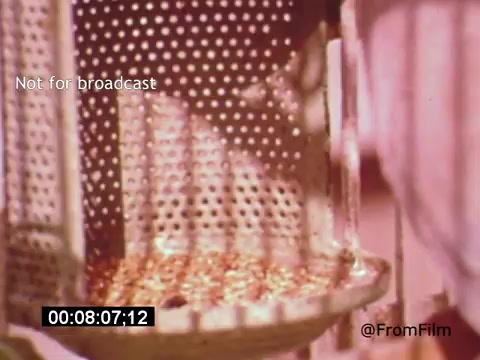
00:07:46.132 — The still from 'Vincent Van Gogh: A Self-Portrait' (1961) likely features a close-up view of a textured surface, possibly a sieve or strainer, with light casting interesting shadows. The focus might be on the play of light through the perforations, creating a visually evocative atmosphere that reflects the artistic themes of the film. This imagery complements the exploration of Van Gogh's life and work, presented with narration by Lee J. Cobb.
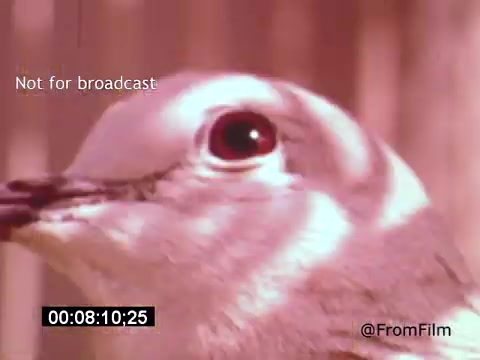
00:07:49.536 — The still from 'Vincent Van Gogh: A Self-Portrait' (1961) features a close-up of a bird's head, showcasing intricate details like its eye and feathers. The film uses vibrant colors and soft lighting, creating a serene atmosphere. This imagery complements the artistic themes of the documentary, which explores Van Gogh’s life and work through a unique lens, narrated by Lee J. Cobb.
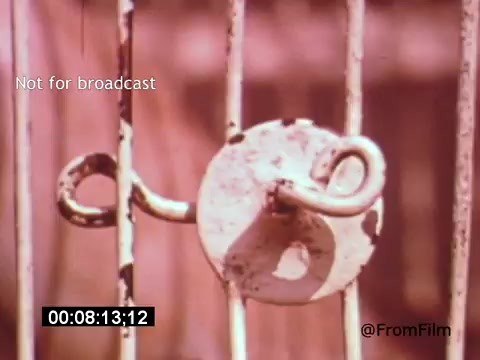
00:07:52.138 — The still from 'Vincent Van Gogh: A Self-Portrait' (1961) appears to show a close-up of a metal latch or hook on a gate or fence, emphasizing texture and wear. This shot may symbolize themes of confinement or introspection, aligning with the film's exploration of Van Gogh's life and struggles. The muted colors and focus on an everyday object create a poignant contrast to Van Gogh's vibrant artistic legacy.
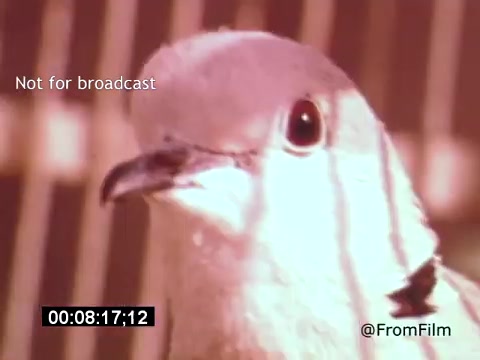
00:07:56.109 — The still from 'Vincent Van Gogh: A Self-Portrait' (1961) features a close-up shot of a bird, likely a pigeon. The colors are warm with a soft focus, creating an intimate atmosphere that might symbolize freedom or the artist's inner thoughts. The film, narrated by Lee J. Cobb, combines visual imagery with Van Gogh's life and work, capturing his emotional and artistic journey. The presence of the bird could reflect themes of nature and inspiration that are essential to Van Gogh's art.
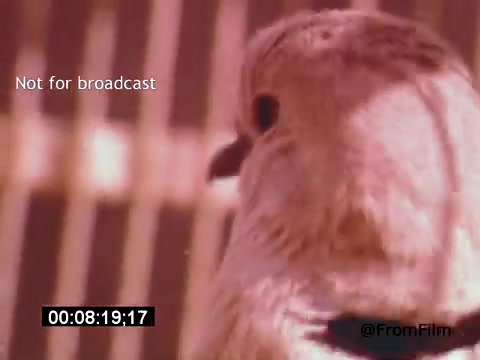
00:07:58.278 — The still from *Vincent Van Gogh: A Self-Portrait* (1961) features a close-up of a bird, likely emphasizing themes of nature and beauty that are often reflected in Van Gogh's work. The vivid colors and soft focus create an intimate atmosphere. The film, narrated by Lee J. Cobb, explores Van Gogh's life and artistry, portraying his emotional and psychological struggles. The imagery serves as a metaphor for freedom and creativity, central to Van Gogh's legacy.
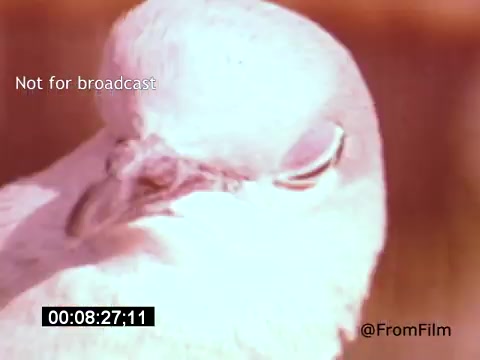
00:08:06.086 — The 16mm still from 'Vincent Van Gogh: A Self-Portrait (1961)' features a close-up of a bird, possibly a dove or pigeon, with soft, muted colors and a blurred, warm background. The focus is on the bird's eye and gentle curves, evoking a sense of tranquility. Lee J. Cobb's narration likely provides context or reflection on Van Gogh's artistry, though the image captures a moment of stillness and beauty in nature.
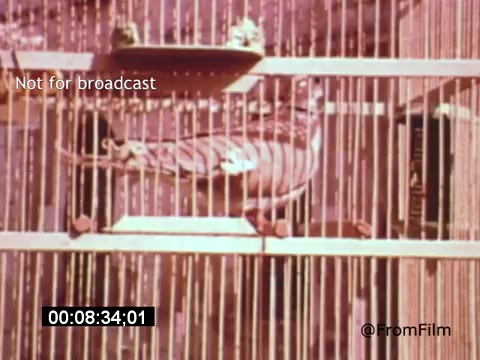
00:08:12.792 — The still from 'Vincent Van Gogh: A Self-Portrait' (1961) features a bird in a cage, emphasizing themes of isolation and confinement. The use of color is vibrant yet subdued, reflecting Van Gogh's emotional intensity. The presence of the caged bird may metaphorically relate to Van Gogh's struggles and passion for freedom in his art. Lee J. Cobb's narration likely adds depth to the exploration of Van Gogh's life and legacy.
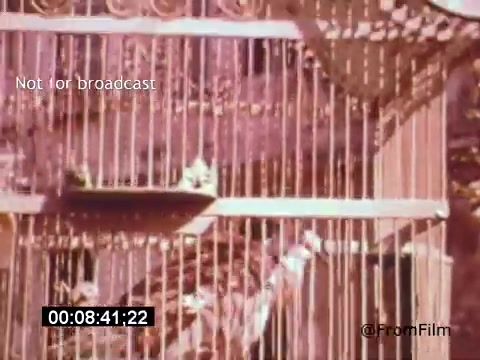
00:08:20.500 — The still from 'Vincent Van Gogh: A Self-Portrait' (1961) features an artistic representation of a birdcage, possibly symbolizing confinement or introspection. The soft, warm colors and delicate details evoke Van Gogh's distinctive style. The presence of birds could signify freedom or the artist's yearning for expression. Lee J. Cobb's narration likely adds depth, interpreting Van Gogh's complex emotions and life experiences.
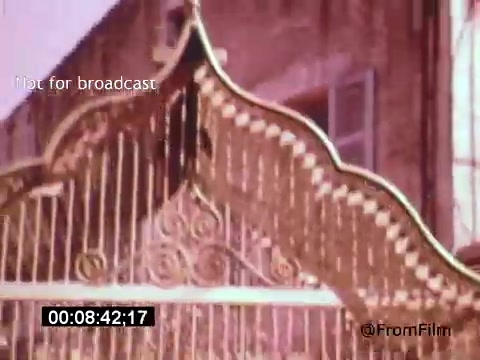
00:08:21.334 — The still from 'Vincent Van Gogh: A Self-Portrait' (1961) likely showcases a stylized, colorful depiction of a gate, characteristic of Van Gogh's vibrant palette and artistic style. The ornate design evokes a sense of historical depth, aligning with the film's exploration of the artist's life and work. The presence of Lee J. Cobb suggests a narrative or dramatic element to the piece, adding an immersive quality to the portrayal of Van Gogh's world.
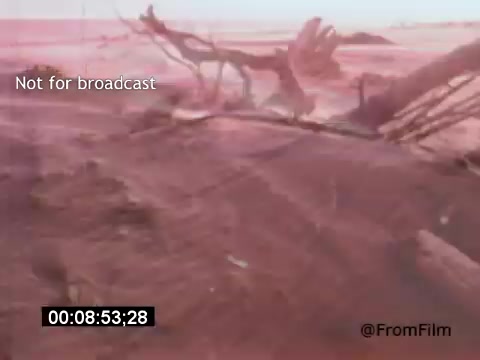
00:08:32.712 — The still from 'Vincent Van Gogh: A Self-Portrait' (1961) features a landscape with vivid colors, possibly depicting the artist's emotional state. The hazy, reddish tone evokes a sense of intensity and turmoil, while gnarled branches and barren ground suggest themes of struggle and isolation. The presence of Lee J. Cobb likely adds depth to the portrayal of Van Gogh. Overall, the image reflects the tumultuous nature of Van Gogh's life and art.
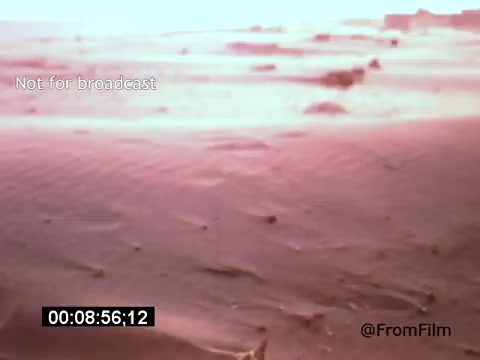
00:08:35.181 — The still from 'Vincent Van Gogh: A Self-Portrait' (1961) presents a desolate landscape, characterized by sandy terrain and minimal vegetation. The color palette leans towards warm hues, suggesting a heightened contrast or unique filming technique. The environment evokes a sense of isolation and introspection, reflective of Van Gogh's artistic spirit. Lee J. Cobb's presence hints at a narrative exploration of Van Gogh's life and struggles.
00:08:40.687 — The still from 'Vincent Van Gogh: A Self-Portrait (1961)' features a dreamy, impressionistic sky filled with swirling clouds, tinted in soft shades of pink and white. The ethereal atmosphere likely reflects the emotional depth of Van Gogh's artwork and persona, while Lee J. Cobb's narration adds further gravitas to the visual experience. The scene emphasizes the connection between Van Gogh's turbulent life and his vibrant artistry.
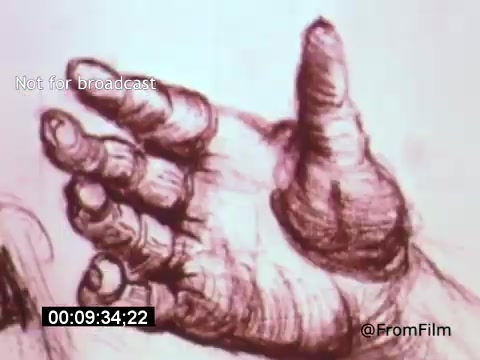
00:09:13.453 — The still from 'Vincent Van Gogh: A Self-Portrait' (1961) features a close-up of a hand, showcasing intricate details of the fingers and palm. The hand appears expressive and textured, capturing the depth of character and emotion. This visual emphasizes Van Gogh's connection to his art and his personal struggle. Lee J. Cobb's narration likely enhances the contemplative nature of this moment.
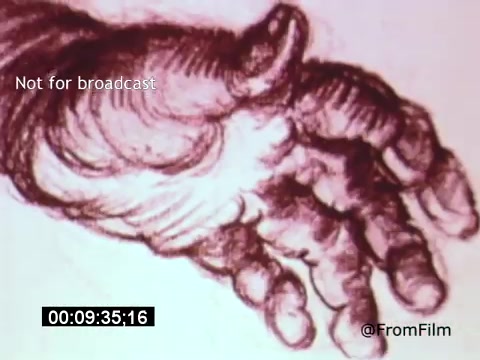
00:09:14.254 — The still from 'Vincent Van Gogh: A Self-Portrait' (1961) features a close-up of a hand, rendered in a stylized manner. The hand appears expressive, possibly conveying emotion or an artistic gesture, reflecting Van Gogh's dynamic style. With a focus on texture and form, the image invites viewers to connect with the artist's spirit and creative process. The overall tone suggests an intimate look at the artist's life and work, enhanced by the narration of Lee J. Cobb.
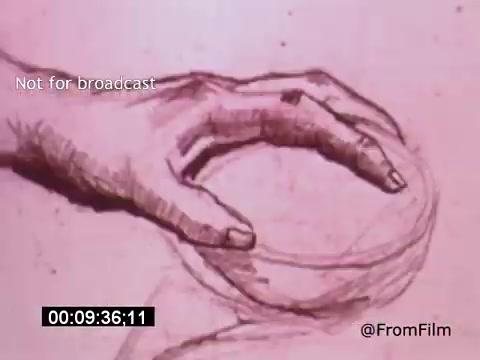
00:09:15.088 — The still from 'Vincent Van Gogh: A Self-Portrait (1961)' features a partially colored sketch of a hand delicately holding a circular object, likely a bowl or palette. The drawing style emphasizes soft, fluid lines, capturing the intricacy and emotion of Van Gogh's artistic vision. The image is tinted in muted tones, aligning with the somber and introspective nature of the film, narrated by Lee J. Cobb.
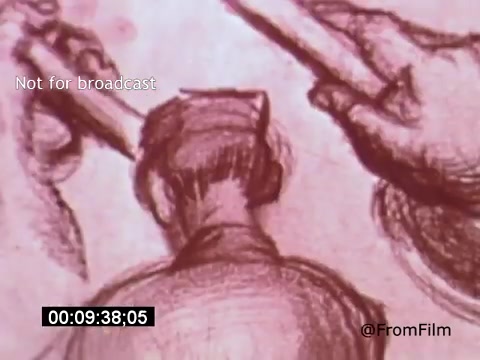
00:09:16.890 — The still from 'Vincent Van Gogh: A Self-Portrait' (1961) presents a close-up of a drawing, focusing on the back of a figure, likely representing Van Gogh himself. The image captures an artistic process, with hands holding tools, suggesting creation and reflection. The muted colors evoke a sense of introspection, aligning with Van Gogh's complex personality and artistic journey.
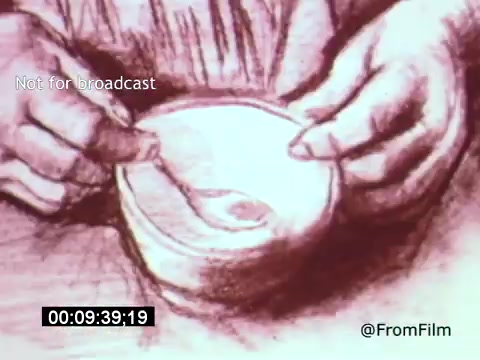
00:09:18.391 — The still from 'Vincent Van Gogh: A Self-Portrait' (1961) features two hands carefully holding a small bowl while a spoon is poised above it, suggesting a moment of creation or preparation. The image is rendered with a soft, sketch-like quality, evoking Van Gogh's artistic style. Lee J. Cobb's narration likely adds depth to the scene, enriching the portrayal of Van Gogh's life and work.
00:09:28.902 — The still from 'Vincent Van Gogh: A Self-Portrait' (1961) captures a close-up of two feet in a sketch style, possibly reflecting Van Gogh's artistic process. The image emphasizes texture and detail, showcasing the techniques associated with Van Gogh’s unique style. The muted colors and sketchy lines evoke a sense of intimacy and exploration of the artist's body and presence.
00:09:40.246 — The still from 'Vincent Van Gogh: A Self-Portrait' captures a moment depicting Van Gogh's artistic style, characterized by expressive brushwork and bold lines. The scene likely embodies elements of his life and struggles, illustrated through a visual representation typical of his late works. This segment contributes to the film's exploration of Van Gogh’s psyche and artistic journey, with Lee J. Cobb’s voiceover providing depth to the narrative.
00:09:57.197 — The still from 'Vincent Van Gogh: A Self-Portrait' features a strikingly expressive, abstract representation of Van Gogh's characteristic swirling lines and bold colors. The image conveys a sense of intensity and emotion, reflecting the artist's tumultuous inner life. The warm hues and dynamic brushwork evoke a passionate engagement with the subject, likely underscoring themes of artistic struggle and genius. Lee J. Cobb’s narration likely complements the visual experience by exploring Van Gogh’s life and artistry.
00:10:05.171 — The still from 'Vincent Van Gogh: A Self-Portrait (1961)' features a blurred, impressionistic scene that evokes Van Gogh's distinctive painting style. The image showcases a figure walking along a tree-lined path, with swirls and colors that mimic the artist's emotional use of brushwork. This aesthetic emphasizes the subjective experience, reminiscent of Van Gogh’s tumultuous life and artistry. The presence of a timecode and “Not for broadcast” watermark suggests it is part of an archival or behind-the-scenes footage.
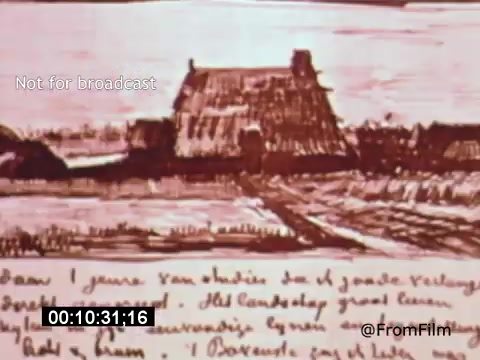
00:10:10.343 — The still from 'Vincent Van Gogh: A Self-Portrait' (1961) features an illustrated scene depicting a rural landscape with a thatched roof house. Below the image, handwritten text provides context, likely reflecting Van Gogh's thoughts or letters. The warm color palette evokes an emotional connection to the artist's introspective nature. The inclusion of Lee J. Cobb adds a narrative touch, enhancing the film's exploration of Van Gogh's life and artistry.
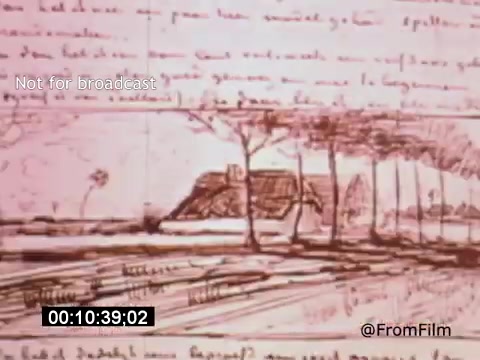
00:10:17.851 — The still from *Vincent Van Gogh: A Self-Portrait (1961)* features a sketch or drawing of a landscape, likely inspired by Van Gogh's own work. The image includes elements of nature, such as trees and a distant structure, presented in a warm tonal palette. The artistic style reflects Van Gogh's expressive brushwork and emotional depth. The film, narrated by Lee J. Cobb, explores the life and artistic journey of Van Gogh, highlighting his unique vision and struggles.
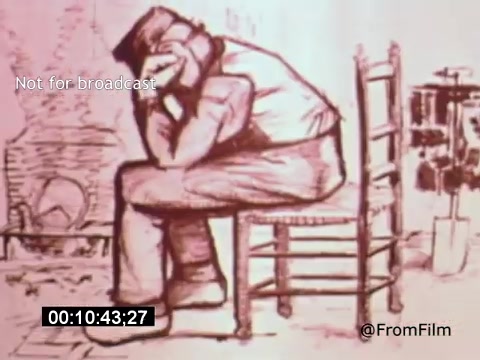
00:10:22.722 — The still from 'Vincent Van Gogh: A Self-Portrait' (1961) features an animated depiction of Van Gogh, seated on a rustic chair. He appears contemplative, resting his chin on his hand, conveying a sense of introspection. The background includes a fireplace, adding to the intimate and reflective atmosphere of the scene. The overall color scheme is subdued, emphasizing the emotional weight of the moment.
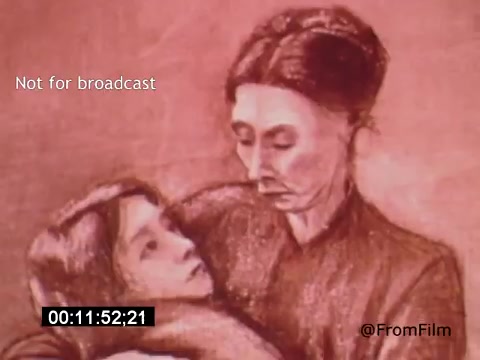
00:11:31.491 — The 16mm still from 'Vincent Van Gogh: A Self-Portrait' (1961) features a poignant scene depicting a woman cradling a child. The artwork style showcases soft, expressive lines and muted colors, evoking a sense of intimacy and emotional depth. Lee J. Cobb's narrative likely adds a reflective layer to the visual portrayal, emphasizing themes of connection and maternal bond. This film offers a unique exploration of Van Gogh's life through vivid imagery and personal storytelling.
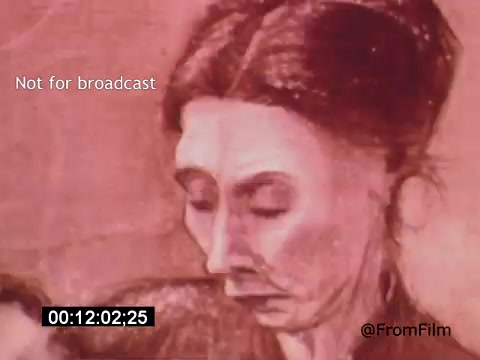
00:11:41.568 — The still from *Vincent Van Gogh: A Self-Portrait (1961)* showcases an artistic representation of a contemplative woman with a somber expression. The muted color palette features warm tones, emphasizing the emotional depth of the piece. This 16mm film, narrated by Lee J. Cobb, explores the life and struggles of Vincent Van Gogh through visual art and storytelling. The composition hints at themes of introspection and artistic passion.
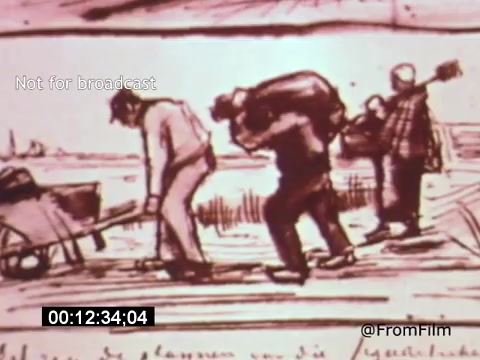
00:12:12.899 — The still from 'Vincent Van Gogh: A Self-Portrait' (1961) depicts a series of figures engaged in labor. A man with a wheelbarrow is seen in the foreground, while two other figures carry loads in the background. The style resembles Van Gogh's own drawings, showcasing his interest in the everyday lives of working people. The image evokes themes of toil and artistry, reflective of Van Gogh's connection to the human experience.
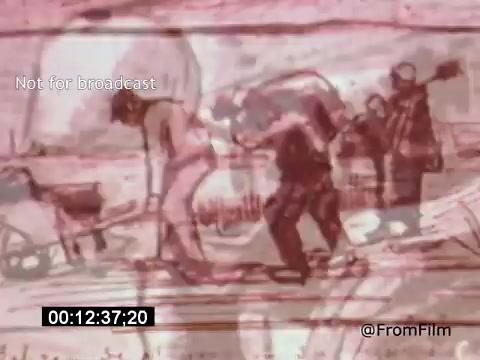
00:12:16.469 — The still from 'Vincent Van Gogh: A Self-Portrait (1961)' features a layered visual composition. It displays a scene of rural life, possibly depicting laborers working in a field, with an overlay of softer, abstract forms. The colors are muted, enhancing the introspective tone of the film. Lee J. Cobb's narration likely adds depth to the portrayal of Van Gogh's life and artistic struggles. The image evokes themes of labor and the connection between the artist and his environment.
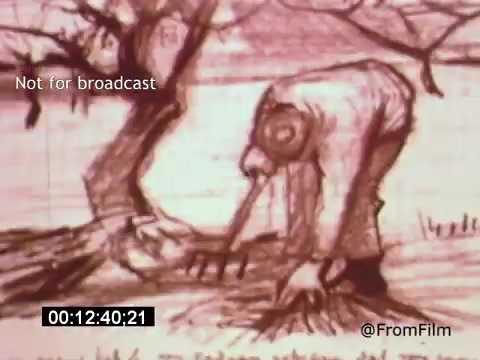
00:12:19.505 — The still from 'Vincent Van Gogh: A Self-Portrait' (1961) presents an animated depiction of Van Gogh working in a rural setting. A figure resembling the artist is shown bent over, tending to the soil with a pitchfork near a tree. The artwork is faded and sketch-like, capturing the essence of Van Gogh’s agrarian themes. The scene speaks to his connection with nature and labor.
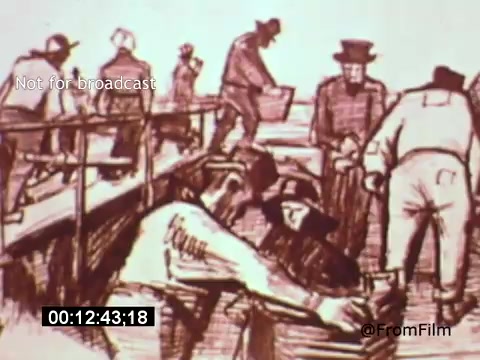
00:12:22.408 — The 16mm still from 'Vincent Van Gogh: A Self-Portrait' (1961) depicts a scene with several figures engaged in a laborious activity, likely reminiscent of Van Gogh's own themes of hard work and everyday life. The style is sketched, reflecting the artistic influences of the painter, with dynamic lines and a focus on human figures. Lee J. Cobb’s narration adds depth to the portrayal of Van Gogh’s experiences, highlighting the emotional and social context of the artist's life.
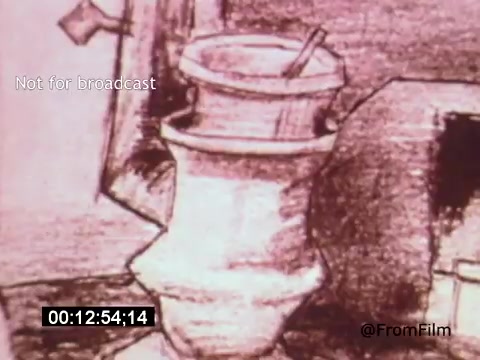
00:12:33.253 — The still from 'Vincent Van Gogh: A Self-Portrait' (1961) features a close-up of a simple, rustic ceramic pot, emphasizing its texture and form. The scene is characterized by a muted color palette, evoking a sense of intimacy and reflection, aligning with the film's exploration of Van Gogh's inner life and artistic journey, narrated by Lee J. Cobb. The visual style likely mirrors Van Gogh's own techniques, drawing viewers into the artist's world.
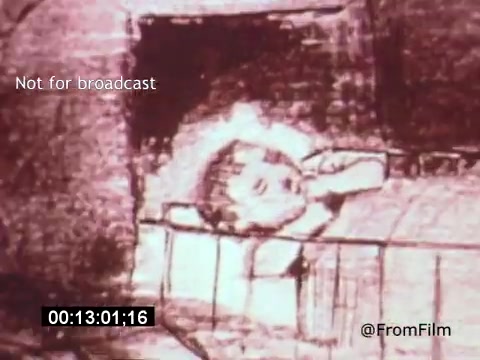
00:12:40.260 — The still from 'Vincent Van Gogh: A Self-Portrait' (1961) features a sketch-like representation of a figure, likely capturing Van Gogh's introspection and emotional depth. The monochromatic tones add a somber atmosphere, reflecting the artist's troubled psyche. The context appears to highlight his artistry and personal struggles, with Lee J. Cobb potentially narrating or contextualizing the scene. This film offers a glimpse into Van Gogh's complex life and creative spirit.
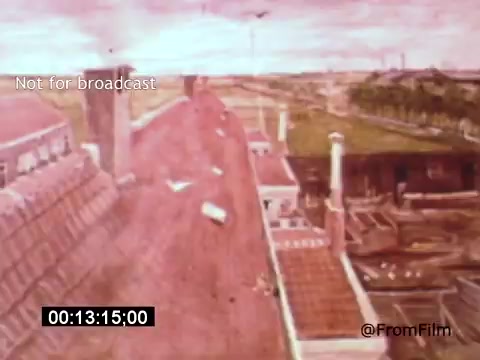
00:12:53.773 — The still from 'Vincent Van Gogh: A Self-Portrait' (1961) features an aerial view of buildings, likely representing a scene relevant to Van Gogh's life. The color palette is warm, predominantly shades of pink and beige, creating an impressionistic quality that echoes Van Gogh's artistic style. The shot includes rooftops and chimneys, with hints of landscape visible in the background, conveying a sense of location and atmosphere tied to the artist's environment. Lee J. Cobb's narration likely adds depth to the visual context.
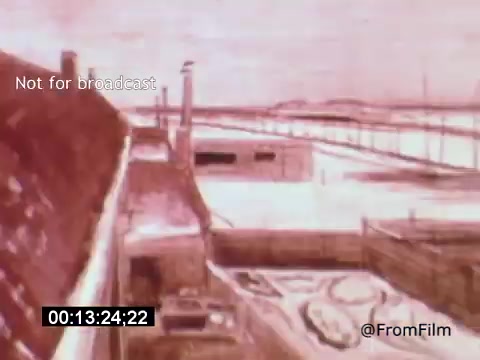
00:13:03.483 — The still from 'Vincent Van Gogh: A Self-Portrait' (1961) features an animated or artistic representation of a landscape, likely depicting a rural setting with a farmhouse and distant structures. The palette is dominated by soft, muted tones, creating a contemplative atmosphere. This moment captures the essence of Van Gogh's style, reflecting his connection to nature and the emotional currents of his art, enhanced by Lee J. Cobb's narration.
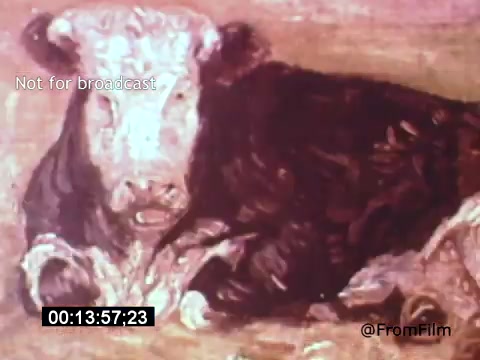
00:13:36.582 — The still features a close-up of a painted cow, likely referencing Vincent Van Gogh's art style. The cow is depicted with rich brushstrokes that capture its form and texture, reflecting Van Gogh's characteristic use of vibrant colors and emotional depth in his work. This scene is part of the 1961 film 'Vincent Van Gogh: A Self-Portrait,' narrated by Lee J. Cobb, which explores the life and artistry of the renowned painter.
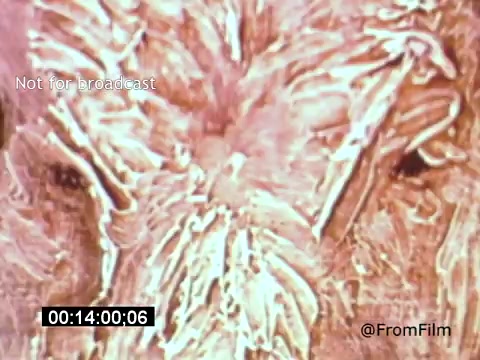
00:13:38.951 — The 16mm still from 'Vincent Van Gogh: A Self-Portrait' (1961) features a close-up of Van Gogh's expressive brushwork, capturing the textured strokes that characterize his painting style. The expressive color palette reflects his emotional depth, and the intensity of the artwork invites the viewer to explore the psyche of the renowned artist. The film, narrated by Lee J. Cobb, aims to delve into Van Gogh's life and artistry.
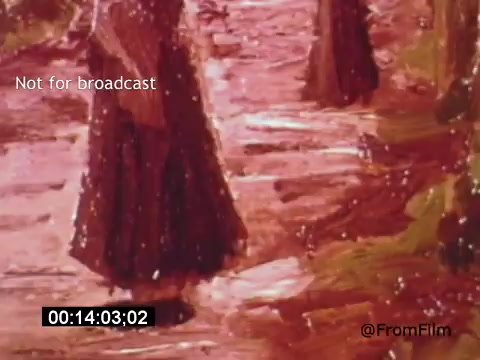
00:13:41.788 — The still from 'Vincent Van Gogh: A Self-Portrait' (1961) captures a textured, impressionistic scene, closely resembling Van Gogh's artistic style. The image features rich colors, likely depicting a landscape or figures, with expressive brushstrokes that convey movement and emotion. This film, narrated by Lee J. Cobb, delves into the artist’s life and legacy, illustrating his unique approach to art.
00:13:57.570 — The 16mm still from 'Vincent Van Gogh: A Self-Portrait' (1961) appears to capture a dramatic, ethereal image, likely depicting a sky filled with billowing clouds in shades of purple and white. This visual may evoke the turbulent emotions associated with Van Gogh's life and work. The muted colors and soft focus contribute to a dreamlike atmosphere, reflecting the introspective nature of the film, narrated by Lee J. Cobb.
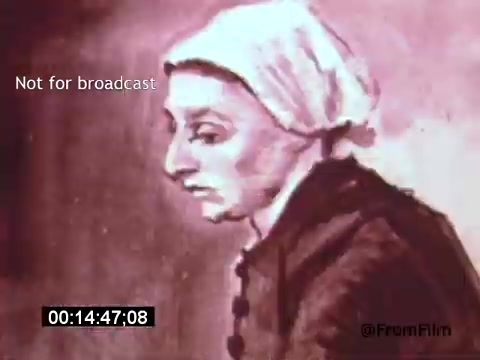
00:14:26.032 — The still from 'Vincent Van Gogh: A Self-Portrait' (1961) features a somber, introspective figure, presumably reflecting Van Gogh's emotional depth. The visual style likely uses soft hues and brushstroke-like textures, emphasizing the artist's connection to his work. The mood is contemplative, encapsulating themes of isolation and artistry. Lee J. Cobb’s narration adds a rich layer to the portrayal.
00:14:44.951 — The still from 'Vincent Van Gogh: A Self-Portrait (1961)' captures a close-up of broken ceramics or porcelain pieces scattered on a surface. The focus appears to be on the textures and details of the shards, possibly symbolizing fragility or destruction. The muted tones and the composition evoke a sense of stillness, connecting to themes often explored in Van Gogh's works. The film features Lee J. Cobb, lending a dramatic narrative to the visual presentation.
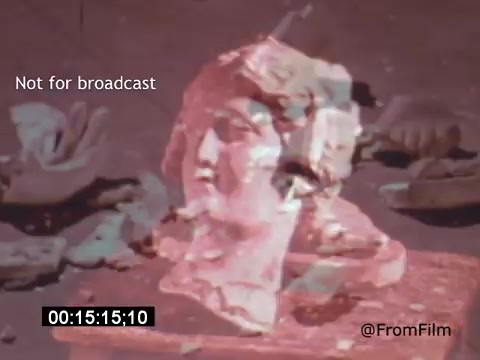
00:14:54.093 — The still from 'Vincent Van Gogh: A Self-Portrait' (1961) features a close-up of a sculptural bust, likely representing a classical figure. The image has a slightly distorted quality, contributing to an artsy aesthetic. It appears to be set against a textured background, emphasizing the object's form and detail. The presence of artifacts around the bust hints at themes of art history, resonating with Van Gogh's artistry and emotional depth.
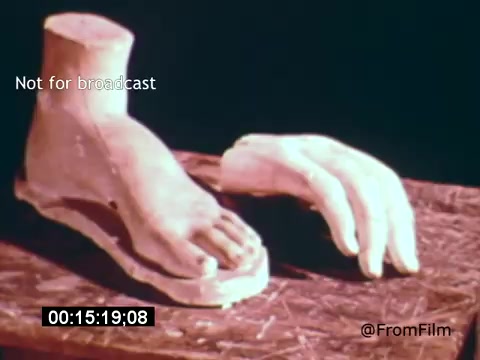
00:14:58.030 — The still from 'Vincent Van Gogh: A Self-Portrait (1961)' features a sculptural representation of a foot and a hand, suggesting the influence of anatomy in Van Gogh's art. The hands are positioned on a textured surface, hinting at a connection to the physicality of art-making. The overall composition emphasizes the tactile nature of artistic expression, resonating with Van Gogh's own approach to painting. The film likely explores themes of creativity and the artist's psyche, narrated by Lee J. Cobb.
00:15:02.235 — The still from 'Vincent Van Gogh: A Self-Portrait' (1961) appears to feature a close-up of shattered ceramic pieces, accompanied by a muted color palette that gives it a nostalgic, vintage feel. This imagery may symbolize the fragility of Van Gogh's mental state and artistic journey. The scene is likely accompanied by reflective narration by Lee J. Cobb, enhancing the emotional depth of the film.
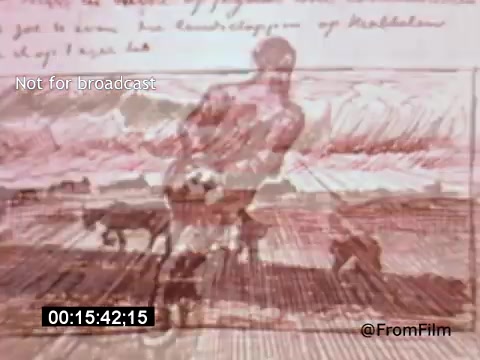
00:15:21.287 — The 16mm still from 'Vincent Van Gogh: A Self-Portrait' (1961) features a visually striking montage. It combines a sketch of a figure, possibly Van Gogh himself, against a backdrop of abstract, swirling colors reminiscent of his painting style. Below, a depiction of rural life includes animals and fields, conveying the essence of Van Gogh's connection to nature. The text overlays hint at his thoughts and aspirations. The overall composition reflects both the artist's inner struggles and the beauty of his world.
00:15:30.596 — The still from *Vincent Van Gogh: A Self-Portrait (1961)* features a serene landscape with a reflection in water, likely evoking the emotional depth and artistic vision of Van Gogh. The muted colors and atmospheric lighting contribute to a somber yet contemplative mood. Lee J. Cobb's narration enhances the personal connection to Van Gogh's life and work. The overlay text indicates the image is not for broadcast.
00:15:41.641 — The still from 'Vincent Van Gogh: A Self-Portrait' (1961) features a reflective surface, likely water, displaying the distorted reflections of trees. The muted colors and soft focus evoke an impressionistic quality, reminiscent of Van Gogh's own style. This visual could symbolize the duality of Van Gogh's troubled life and artistic genius, capturing a moment of solitude and contemplation amidst nature. Lee J. Cobb’s narration likely adds depth to the emotional landscape of the film.
00:15:46.879 — The 16mm still from 'Vincent Van Gogh: A Self-Portrait' (1961) showcases bare, intertwining branches against a soft background. This imagery likely reflects themes of despair and isolation, resonant with Van Gogh's emotional struggles. The scene's starkness may symbolize the artist's own tumultuous life, complemented by the narration of Lee J. Cobb. This visual abstraction can evoke contemplation about Van Gogh's legacy and artistic journey.
00:16:00.526 — The still from 'Vincent Van Gogh: A Self-Portrait' (1961) captures a surreal, artistic representation of intertwined branches against a soft background. The imagery likely conveys a sense of introspection and connection to nature, reflecting Van Gogh's style and emotional depth. The film features narration by Lee J. Cobb, adding significance to the visual elements.
00:16:27.386 — The still from 'Vincent Van Gogh: A Self-Portrait' (1961) depicts a dramatic, dimly lit scene framed by an arched brick structure. A figure is seen in the distance, possibly representing Van Gogh himself, surrounded by softly blurred foliage that adds to the atmospheric quality. Warm, muted colors evoke an emotional tone, aligning with the artist's introspective and sometimes turbulent nature. The work captures a moment of solitude, reflecting the essence of Van Gogh's life and art.
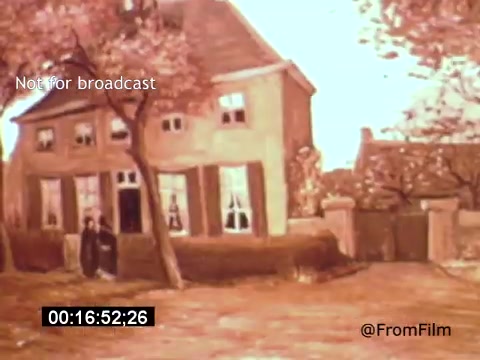
00:16:31.624 — The still from 'Vincent Van Gogh: A Self-Portrait' (1961) features a painted scene depicting a two-story house surrounded by trees with autumn foliage. The building has large windows and is likely set in a rural context. In the foreground, a figure stands, adding a human element to the tranquil landscape. The warm color palette and serene setting evoke the essence of Van Gogh's artistic style, emphasizing themes of nature and solitude.
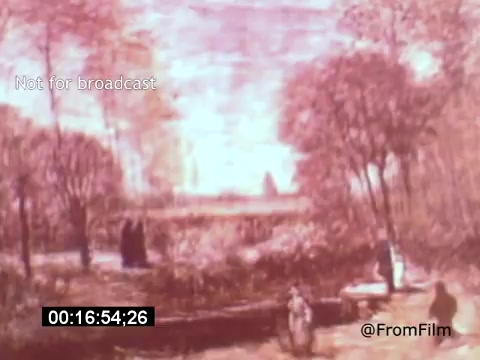
00:16:33.659 — The still from 'Vincent Van Gogh: A Self-Portrait' (1961) likely features a lush landscape reminiscent of Van Gogh's style, with trees and figures positioned against a vibrant sky. The scene conveys an impressionistic quality, characterized by bold colors and energetic brushstrokes. The film, narrated by Lee J. Cobb, explores the life and artistry of Van Gogh, highlighting his emotional depth and unique perspective.
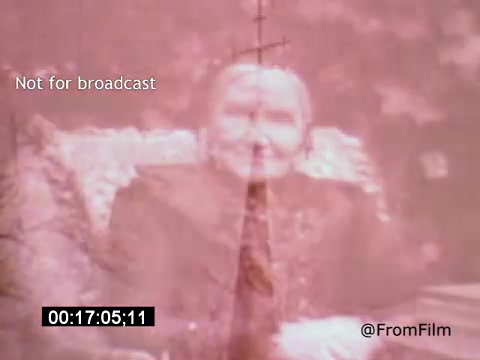
00:16:44.070 — The still from 'Vincent Van Gogh: A Self-Portrait' (1961) features a muted, sepia-toned image that blends a portrait of an older individual with a faint backdrop. The subject appears to be smiling, seated comfortably in a decorative armchair, with soft floral patterns surrounding them. A vertical cross, likely from a window or structure, intersects the image, adding a layer of depth. The overall mood is reflective and poignant, capturing an essence of nostalgia.
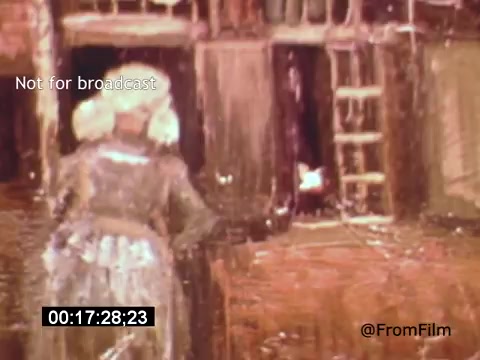
00:17:07.526 — The still from 'Vincent Van Gogh: A Self-Portrait' (1961) features a painterly depiction of a woman in a light-colored dress, looking towards a window or doorway. The vibrant colors and expressive brushstrokes capture the emotional intensity typical of Van Gogh’s style. The scene conveys a sense of introspection and possibly longing, set against a textured background evocative of his artwork. Lee J. Cobb's narration likely adds depth to this visual portrayal of Van Gogh’s life and artistic journey.
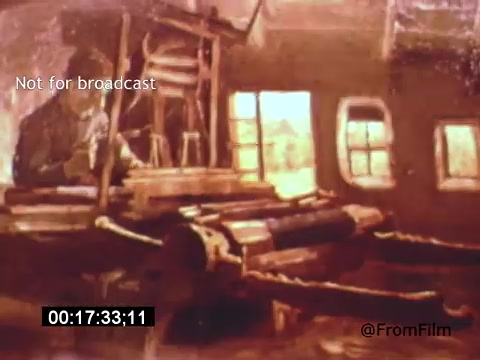
00:17:12.131 — The still from 'Vincent Van Gogh: A Self-Portrait' (1961) features a softly lit, rustic interior scene. It showcases an artist at work, surrounded by art supplies and tools, evoking the atmosphere of Van Gogh's creative environment. The warm tones and blurred details suggest a dreamy, reflective quality, fitting for a portrayal of the renowned painter. The presence of Lee J. Cobb provides a narrative depth, likely reflecting on Van Gogh's life and struggles.
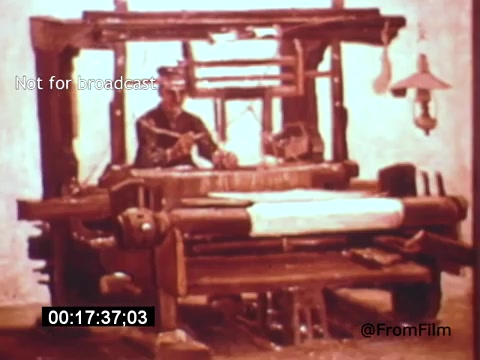
00:17:15.835 — The 16mm still from 'Vincent Van Gogh: A Self-Portrait' (1961) features a scene with a figure working at a loom. The setting has a rustic, historical atmosphere, highlighted by earthy tones and a simple, unembellished backdrop. The figure appears focused on weaving, embodying the artistic and laborious spirit associated with Van Gogh's time. The overall composition reflects a blend of artistry and craftsmanship, showcasing the poignant connection to the creative process.
00:17:23.242 — The still from 'Vincent Van Gogh: A Self-Portrait' (1961) features a blurred, artistic representation of a workshop or studio setting. The image may highlight themes of creativity and the artistic process, with potential references to Van Gogh's craft. Lee J. Cobb likely narrates or presents the film, adding depth to the exploration of Van Gogh's life and work. The color palette is warm, evoking a sense of nostalgia.
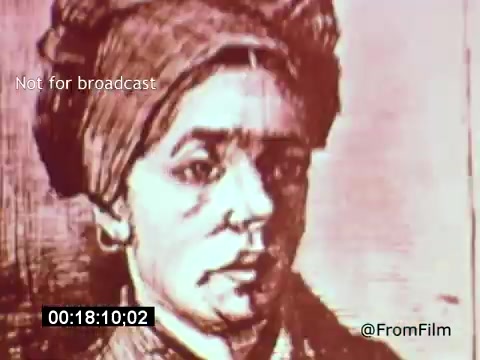
00:17:48.768 — The still from 'Vincent Van Gogh: A Self-Portrait' (1961) features an artistic depiction that mirrors the style of Van Gogh's own self-portraits. It captures a somber expression, highlighting the emotional depth and complexity of the artist. The use of brush strokes and color conveys a sense of intensity and introspection, characteristic of Van Gogh's work. Lee J. Cobb's narration likely adds context and drama to the visual representation, further immersing viewers in Van Gogh's world.
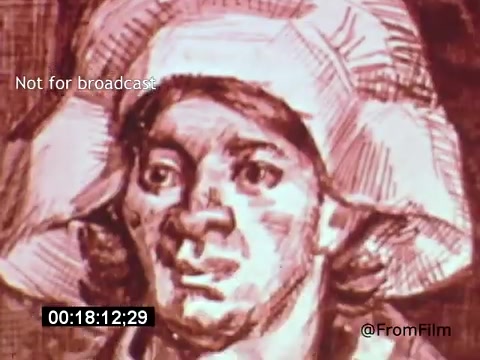
00:17:51.671 — The still from 'Vincent Van Gogh: A Self-Portrait' (1961) features a close-up of Van Gogh's expressive face, characterized by bold lines and vivid brushwork. The image captures his intense gaze and distinct features, framed by a large hat. The overall tone is warm, reflecting the emotional depth of his self-portraits. This work, narrated by Lee J. Cobb, delves into Van Gogh's life and artistic journey.
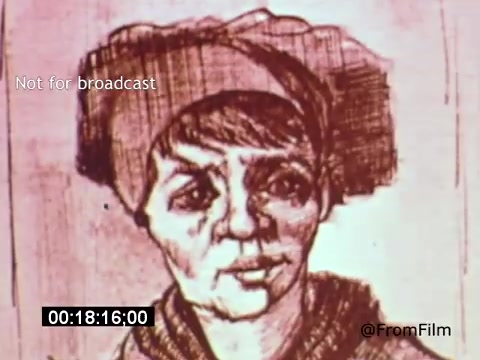
00:17:54.707 — The still from 'Vincent Van Gogh: A Self-Portrait' (1961) features a stylized depiction of a woman with a headscarf, characterized by bold lines and expressive features. The artwork reflects Van Gogh's emotive style, capturing a sense of depth and personality. This film, narrated by Lee J. Cobb, explores the life and artistry of Van Gogh, offering insight into his creative process and struggles.
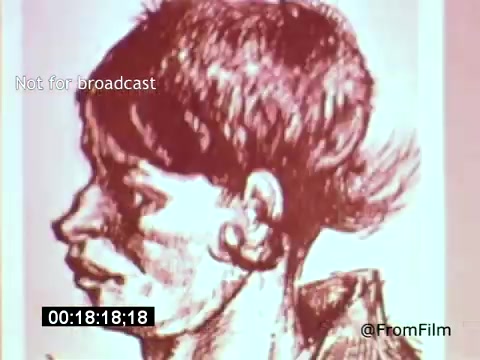
00:17:57.310 — The still from 'Vincent Van Gogh: A Self-Portrait' (1961) features a stylized depiction of Van Gogh's profile, showcasing his distinctive brushwork and emotional depth. The image likely captures elements of Van Gogh's complex personality and artistic vision, with Lee J. Cobb providing narration or insight. This 16mm film presents an intimate view into the life and struggles of the iconic painter.
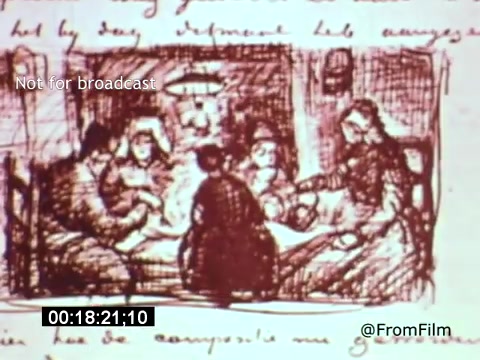
00:18:00.046 — The still from 'Vincent Van Gogh: A Self-Portrait' (1961) features a sketch-like illustration depicting a group of people gathered in an intimate setting. The figures appear engaged in conversation or activity, suggesting a warm, social atmosphere. The visual style is reminiscent of Van Gogh's own drawings, with expressive lines and a muted tone, complementing the film's focus on the artist's life and emotional depth. Lee J. Cobb's narration likely adds context to this scene, enhancing the viewer's understanding of Van Gogh's experiences.
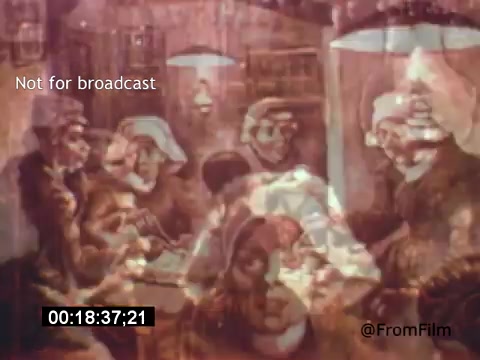
00:18:16.462 — The still from 'Vincent Van Gogh: A Self-Portrait (1961)' captures a richly textured scene featuring a group of figures seated around a table, reminiscent of Van Gogh's style. The colors blend and swirl, creating a hazy, dreamlike quality that evokes the emotional intensity of his artwork. Lee J. Cobb's narration likely adds depth, drawing viewers into Van Gogh's world. The visual composition reflects the artist's exploration of human connection and isolation, pivotal themes in his life and work.
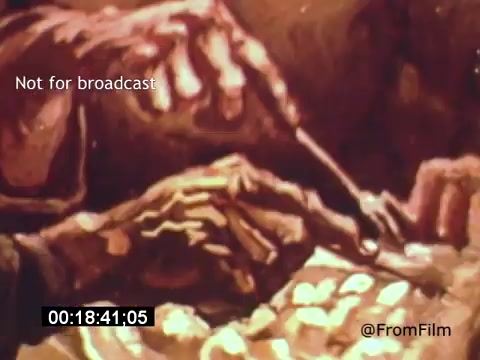
00:18:19.932 — The 16mm still from 'Vincent Van Gogh: A Self-Portrait' (1961) depicts a close-up of hands engaged in painting, likely reflecting Van Gogh's artistic process. The image conveys a sense of intimacy and focus, emphasizing the creative act. The color palette appears rich and warm, adding to the emotional depth of the scene. Lee J. Cobb's narration likely complements this visual, enriching the portrayal of Van Gogh's life and artistry.
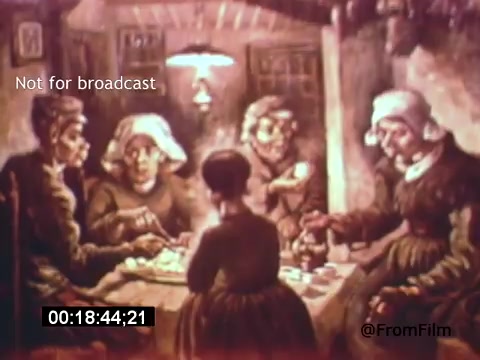
00:18:23.436 — The still from 'Vincent Van Gogh: A Self-Portrait' (1961) depicts a warm, intimate scene featuring a group of individuals gathered around a table, possibly engaged in conversation or sharing a meal. The setting emphasizes the characteristic brushwork and colors reminiscent of Van Gogh's style, enhancing the emotional resonance of the moment. The image captures a sense of community, reflecting the painter's thematic focus on human connection. Lee J. Cobb's narration likely adds depth to this evocative visual.
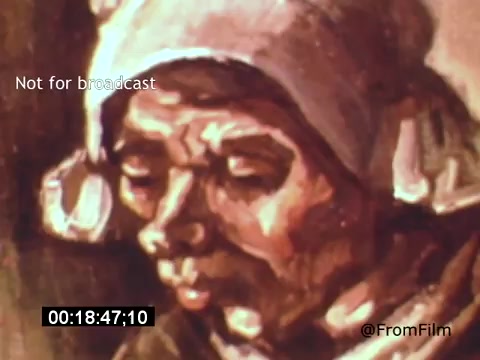
00:18:26.105 — The still from 'Vincent Van Gogh: A Self-Portrait' (1961) features a close-up depiction of an elderly woman's face, likely reflecting Van Gogh's expressive, emotive style. The use of color and brush strokes emphasizes her features, conveying a sense of depth and character. Lee J. Cobb's narration adds context to this artistic exploration of Van Gogh's life and work.
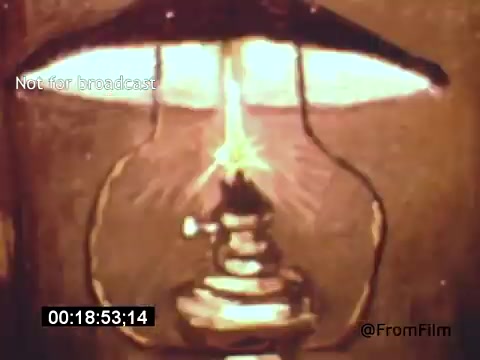
00:18:32.244 — The still from 'Vincent Van Gogh: A Self-Portrait' (1961) features a close-up of a vintage lantern. The warm light emanating from the lantern creates an inviting glow, illuminating the surrounding area. The ambiance suggests a sense of introspection, capturing the essence of Van Gogh's contemplative nature. The film, narrated by Lee J. Cobb, explores the artist's life and works, enhancing the visual narrative with the historical warmth of the 16mm format.
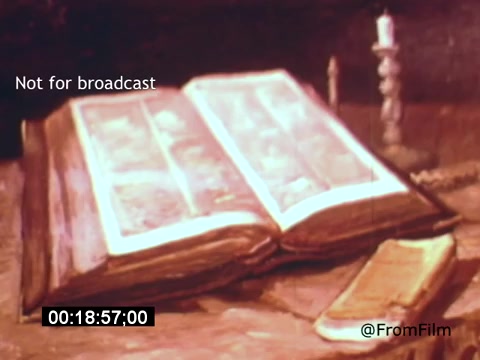
00:18:35.781 — The still from 'Vincent Van Gogh: A Self-Portrait' (1961) features an open book resting on a table, with a soft, warm light illuminating its pages. Beside the book, there is a slender candle casting a gentle glow, contributing to the contemplative atmosphere. This intimate setting may evoke themes of reflection and artistry, resonating with Van Gogh's exploration of self. The image captures the mood of the film, highlighting the connection between creativity and solitude.
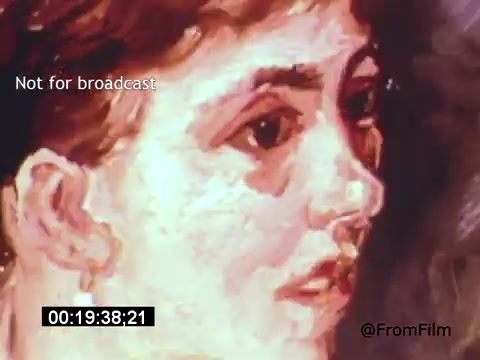
00:19:17.456 — The still from *Vincent Van Gogh: A Self-Portrait (1961)* features an expressive, painterly close-up of a young man's face, capturing the intensity and emotion characteristic of Van Gogh's own work. Rendered in vibrant colors and bold brush strokes, it reflects both the artistic style of Van Gogh and the dramatic storytelling associated with the film, narrated by Lee J. Cobb. This moment emphasizes the interplay of art and identity.
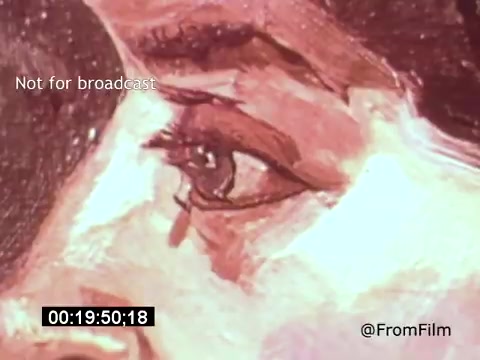
00:19:29.335 — The still from 'Vincent Van Gogh: A Self-Portrait' (1961) features an artistic representation focusing on a close-up of Van Gogh's expressive eye. The brushwork showcases vibrant colors and textures, reflecting the artist's emotional depth. The scene, narrated by Lee J. Cobb, captures the essence of Van Gogh's turbulent psyche through this intimate detail.
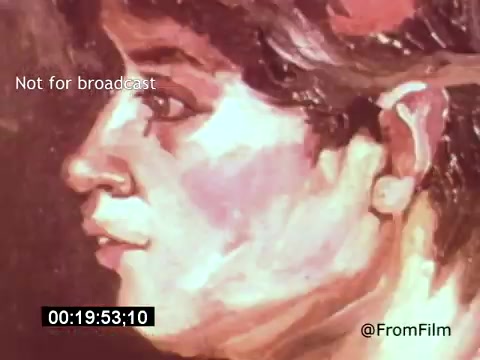
00:19:32.071 — The still from 'Vincent Van Gogh: A Self-Portrait (1961)' features a stylized representation of Van Gogh, emphasizing strong brush strokes and vivid colors. It captures a side profile, highlighting the expressive quality of his features, typical of his artistic style. The frame likely serves to evoke the emotional depth and complexity of Van Gogh's character, as narrated by Lee J. Cobb.
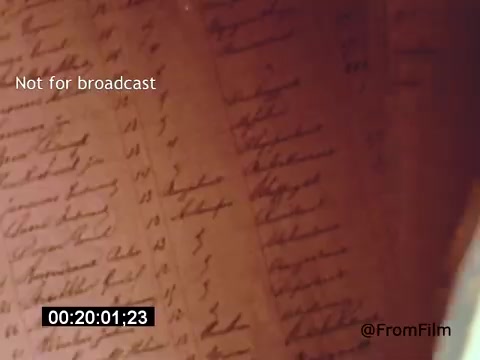
00:19:40.513 — The still from 'Vincent Van Gogh: A Self-Portrait' (1961) shows a close-up of a handwritten document, likely featuring names and dates closely associated with Van Gogh's life or works. The texture of the paper and the fluidity of the cursive script suggest a historical context, emphasizing the personal and intimate nature of Van Gogh's story. This moment captures the essence of the artist's connection to his experiences, providing viewers with a glimpse into his world.
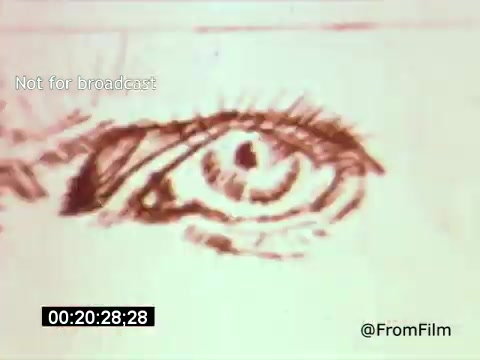
00:20:07.707 — The still from *Vincent Van Gogh: A Self-Portrait (1961)* features a close-up of an intricate drawing of an eye, showcasing detailed lines and shading. The artwork emphasizes Van Gogh's distinctive style and his deep emotional connection to his subject. The visual captures the essence of the film, which explores Van Gogh's life and artistry.
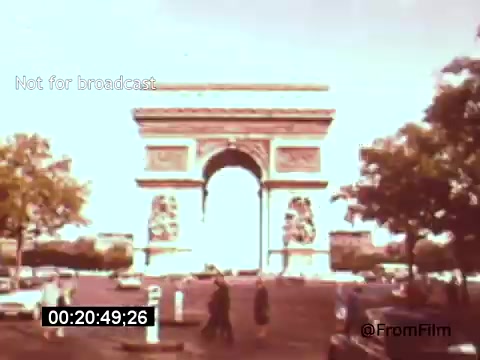
00:20:28.694 — The still likely features the Arc de Triomphe, a renowned monument in Paris, framed by trees and bustling street activity. The film, 'Vincent Van Gogh: A Self-Portrait' (1961), featuring Lee J. Cobb, explores the life and work of the iconic painter, possibly using this backdrop to illustrate Van Gogh's connection to France. The vibrant colors and composition may reflect Van Gogh's artistic style, enhancing the thematic essence of the film.
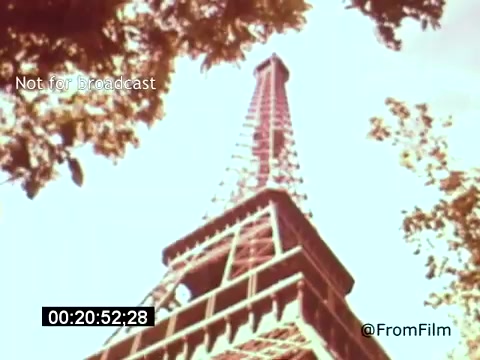
00:20:31.731 — The still from *Vincent Van Gogh: A Self-Portrait (1961)* features a vibrant view of the Eiffel Tower, shot from a low angle. The structure is framed by lush foliage, creating a stark contrast between the architectural lines and the natural elements surrounding it. This iconic Parisian landmark signifies Van Gogh's connection to the city, reflecting the artistic atmosphere of his time. The film includes narration by Lee J. Cobb, enhancing the exploration of Van Gogh's life and artistry.
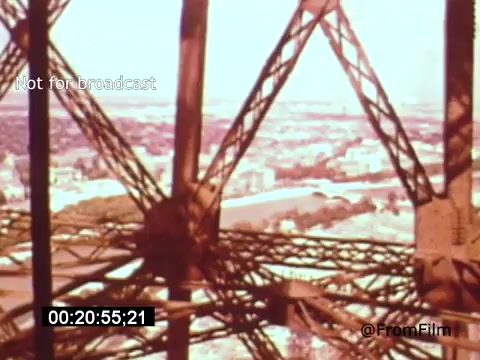
00:20:34.533 — The still from 'Vincent Van Gogh: A Self-Portrait (1961)' features a close-up view of the intricate iron lattice structure of the Eiffel Tower, showcasing the architectural details above and the expansive cityscape below. The vibrant colors evoke a sense of nostalgia, enhancing the film's artistic exploration of Van Gogh's life and legacy. Lee J. Cobb’s narration complements the visuals, providing context to Van Gogh's emotional journey.
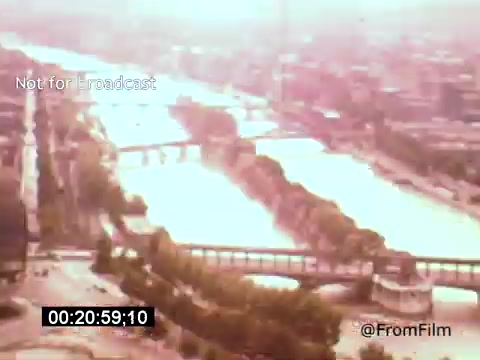
00:20:38.137 — The still from 'Vincent Van Gogh: A Self-Portrait (1961)' appears to be a scenic aerial view of a river surrounded by urban landscapes. The image is infused with a warm, slightly sepia tone, suggesting a nostalgic atmosphere. The scene captures the flowing water and bridges, evoking a sense of tranquility amid the city backdrop. This visual context may reflect Van Gogh's emotional depth and connection to nature, as interpreted in the film narrated by Lee J. Cobb.
00:20:39.972 — 'Vincent Van Gogh: A Self-Portrait' (1961) features a still that showcases an abstract, dreamlike interpretation of Van Gogh's world. The image appears muted with a reddish tint, presenting a cityscape or landscape that hints at the artist's emotional and tumultuous nature. The use of color and overlay suggests a reflective or introspective mood, aligning with the essence of Van Gogh’s artistic style and struggles. Lee J. Cobb’s narration likely deepens this exploration of Van Gogh’s life and artistry.
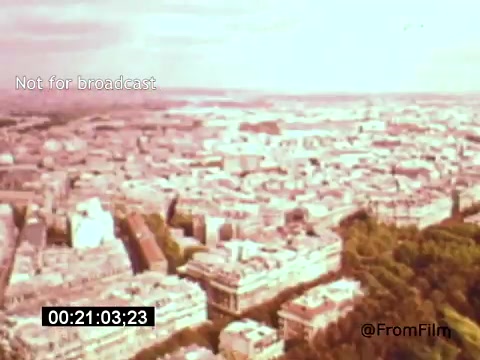
00:20:42.541 — The still from *Vincent Van Gogh: A Self-Portrait* (1961) features an aerial view of a cityscape, showcasing buildings and greenery. The vintage 16mm film quality gives it a soft, warm hue, evoking a nostalgic feeling. Lee J. Cobb's voice likely adds depth to the portrayal of Van Gogh's life and artistic journey, creating an immersive experience.
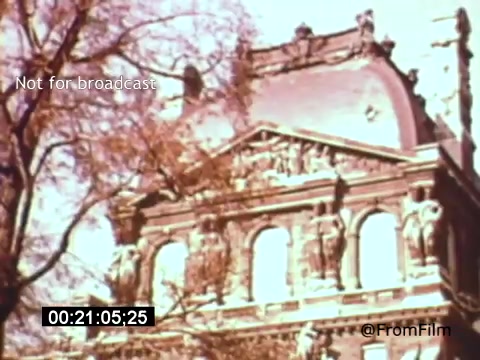
00:20:44.577 — The still from 'Vincent Van Gogh: A Self-Portrait' (1961) features a detailed view of ornate architecture, indicative of the historical context of the film. The colors appear warm and somewhat faded, typical of 16mm film, evoking a nostalgic atmosphere. The scene may serve to complement the narrative surrounding Van Gogh's life and artistry, capturing a moment that reflects his connection to the world around him. Support the channel: https://ko-fi.com/fromfilm.
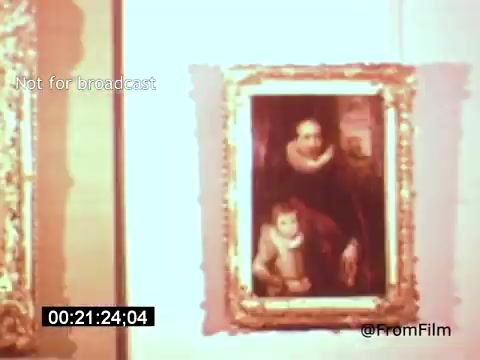
00:21:02.928 — The still from 'Vincent Van Gogh: A Self-Portrait' (1961) features a framed painting displayed on a wall, likely showcasing a work related to the artist. The ornate frame highlights the artwork's significance. This segment includes a timestamp suggesting it's part of a broader narrative, with Lee J. Cobb's narration linking Vincent Van Gogh's life and art. The scene conveys a reflective atmosphere, inviting viewers to engage with Van Gogh's legacy.
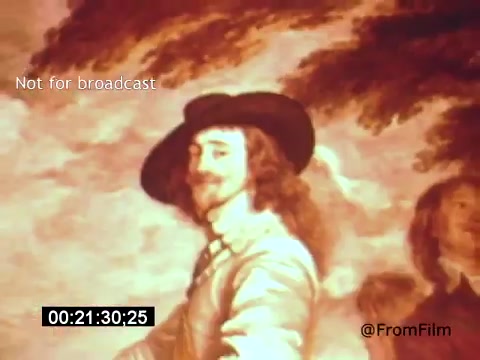
00:21:09.602 — The still from *Vincent Van Gogh: A Self-Portrait (1961)* featuring Lee J. Cobb showcases a painterly style, likely depicting a traditional image reminiscent of Van Gogh's own works. The screen captures a flourish of colors, with a figure in period clothing and a broad-brimmed hat, conveying the artistic essence of the era. The background is richly textured, enhancing the overall historical and emotional depth of the scene. The framing suggests a contemplative moment, reflecting Van Gogh's internal struggles and passion for art.
00:21:14.306 — The still from 'Vincent Van Gogh: A Self-Portrait' (1961) features a stylistic representation of Van Gogh, highlighted by vivid colors and a swirling background that evokes the emotion and intensity of his art. The image seems to blend his likeness with the essence of his creations, reinforcing the connection between the artist's identity and his work. Lee J. Cobb’s narration adds depth, enhancing the reflective nature of the film.
00:21:21.747 — The still from 'Vincent Van Gogh: A Self-Portrait' (1961) features a close-up of a window with closed shutters, set against a textured wooden wall. The light appears to filter through, creating a soft ambiance. This intimate detail invites viewers to ponder the artist's solitude and emotional depth, reflecting the themes of Van Gogh's life and work.
00:21:39.431 — The 16mm still from 'Vincent Van Gogh: A Self-Portrait (1961)' features a close-up of two fish placed on a textured surface. The colors are vibrant, with earthy tones and a painterly quality reminiscent of Van Gogh's style. This moment likely emphasizes the artist's fascination with everyday subjects, capturing both the beauty and simplicity of life. Lee J. Cobb's narration adds depth to the interpretation of Van Gogh's artistic vision.
00:21:41.433 — The still from 'Vincent Van Gogh: A Self-Portrait' (1961) appears to capture a figure in a reclining pose, rendered in a painterly style reminiscent of Van Gogh's own artistic techniques. The soft lines and warm colors create a sense of intimacy and vulnerability, highlighting the human form and perhaps reflecting Van Gogh's complex relationship with beauty and nature. The imagery juxtaposes the title's focus on self-portraiture with the depiction of the nude figure, inviting contemplation on the themes of identity and artistry.
00:21:44.837 — The still from 'Vincent Van Gogh: A Self-Portrait (1961)' features a vibrant depiction of a bird in flight, showcasing the dynamic brushwork and bold colors characteristic of Van Gogh's style. The image captures a moment of movement and energy, reflecting themes of nature and expression. The film, narrated by Lee J. Cobb, explores Van Gogh's life and artistry.
00:21:49.708 — The still from 'Vincent Van Gogh: A Self-Portrait' (1961) showcases an impressionistic portrayal of a street scene, likely representing Van Gogh's influences on urban landscapes. The image features a soft, dreamlike quality with muted colors and blurred edges, creating an ethereal atmosphere. This artistic choice reflects Van Gogh's unique style and emotional depth, while Lee J. Cobb's narration likely adds a rich, engaging layer to the storytelling.
00:21:56.549 — The still from 'Vincent Van Gogh: A Self-Portrait' (1961) showcases a landscape view with soft, muted colors. The composition features rolling hills and distant structures, likely inspired by Van Gogh's own works. The scene conveys a serene, almost dreamlike quality, reflecting the artist's emotional connection to his surroundings. The timestamp and watermark suggest it is a preserved segment, emphasizing its historical significance.
00:21:59.318 — The still from 'Vincent Van Gogh: A Self-Portrait' (1961) features a vibrant scene showcasing a windmill in the background and a quaint building in the foreground, likely reflecting the artist’s surroundings. The pastel colors and impressionistic style echo Van Gogh's distinct artistic approach. This film, narrated by Lee J. Cobb, explores Van Gogh's life and work, capturing the essence of his influence on art.
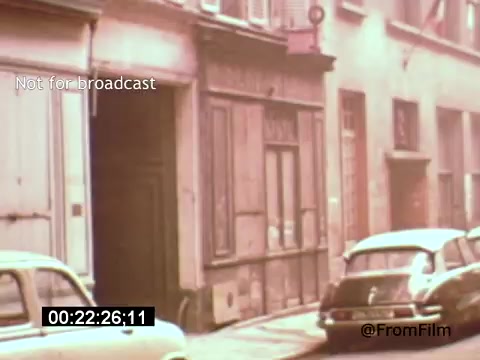
00:22:05.157 — The 16mm still from 'Vincent Van Gogh: A Self-Portrait' (1961) captures a quaint street scene, likely set in France, with vintage cars parked alongside a narrow, cobbled street. The architecture features classic European styling with shutters, evoking the era in which Van Gogh lived. The color palette is warm and slightly faded, adding a nostalgic feel, fitting the documentary's focus on the artist's life. The scene gives a glimpse into the everyday surroundings that may have influenced Van Gogh's work.
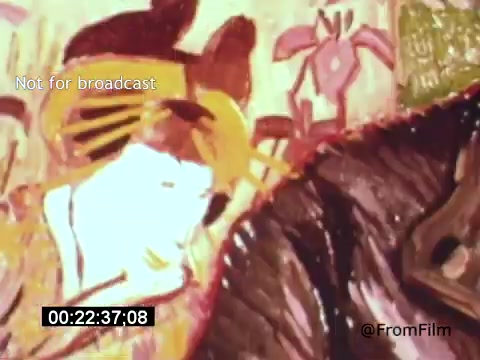
00:22:16.068 — The still from 'Vincent Van Gogh: A Self-Portrait' (1961) appears to showcase vibrant, expressive brushstrokes reminiscent of Van Gogh’s style. The composition likely features a mix of colors and forms, hinting at a deeper narrative related to Van Gogh's life and struggles. The use of animated elements suggests a creative interpretation of his artistic vision. Lee J. Cobb lends his voice, bringing the character of Van Gogh to life through evocative narration.
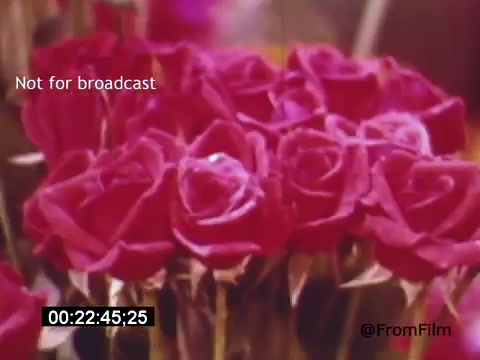
00:22:24.610 — The still from 'Vincent Van Gogh: A Self-Portrait' (1961) features a vibrant array of red roses. The focus on the flowers conveys a sense of beauty and depth, complementing the artistic exploration of Van Gogh's life and work. The overlay text suggests this image is not intended for broadcast, and the timestamp indicates a specific moment in the film.
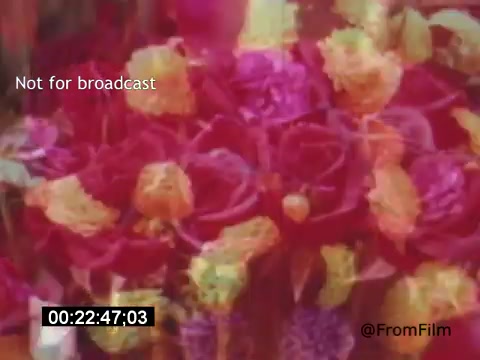
00:22:25.911 — The 16mm still from 'Vincent Van Gogh: A Self-Portrait' (1961) showcases a vibrant, abstract representation of flowers, predominantly in shades of pink, purple, and yellow. The floral composition conveys a rich emotional depth, likely reflecting Van Gogh's connection to nature and color. The timestamp suggests a mid-point in the film, inviting viewers to explore the artistic journey of Van Gogh, performed by Lee J. Cobb. This scene emphasizes the emotional and aesthetic themes central to Van Gogh's art.
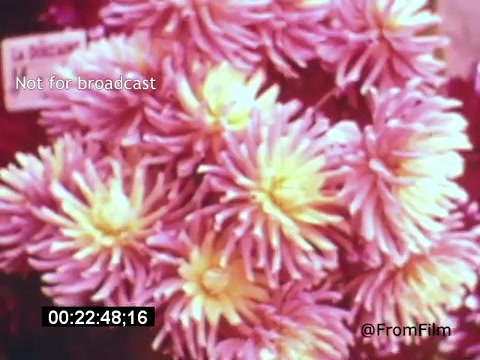
00:22:27.313 — The 16mm still from 'Vincent Van Gogh: A Self-Portrait' (1961) features vibrant chrysanthemums in shades of pink and yellow. The flowers capture a lively, colorful essence, reflecting Van Gogh's affinity for nature and bold color palettes. The scene is likely representative of the emotional depth and beauty often found in Van Gogh's artwork.
00:22:28.747 — The still from 'Vincent Van Gogh: A Self-Portrait' (1961) features a vibrant array of pink and orange flowers, likely inspired by Van Gogh's signature style. The colors are bold and expressive, reflecting the emotional intensity of the artist's work. The image captures the lushness and beauty often found in Van Gogh's floral paintings, serving as a visual homage to his artistic legacy. The text overlay indicates that the image is not for broadcast.
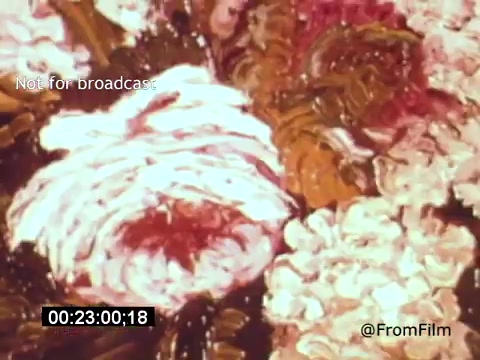
00:22:39.325 — The still from 'Vincent Van Gogh: A Self-Portrait' (1961) features a close-up of vibrant flowers, capturing the dynamic brush strokes characteristic of Van Gogh's style. The rich colors and textured layers evoke his impressionistic approach, reflecting the passion and intensity of his artistic vision, notably enhanced by Lee J. Cobb's narration. This segment likely highlights Van Gogh's fascination with nature and his emotional expression through art.
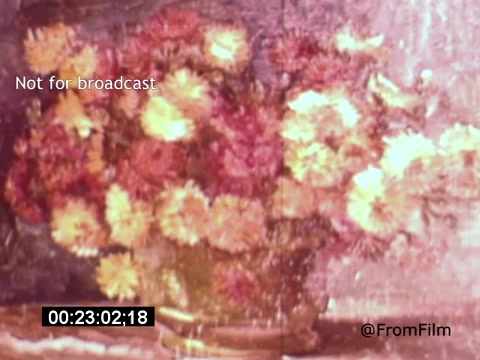
00:22:41.327 — The 16mm still from 'Vincent Van Gogh: A Self-Portrait' (1961) likely depicts a close-up of Van Gogh's famous flower paintings, showcasing vibrant colors in a bouquet. The rich textures and brushwork characteristic of his style are evident. The presence of Lee J. Cobb suggests a narration or commentary, adding depth to the visual representation of Van Gogh's artistry. The image is marked 'Not for broadcast,' indicating it is intended for specific viewing contexts.
00:22:44.263 — The 16mm still from 'Vincent Van Gogh: A Self-Portrait' (1961) showcases vibrant and textured greenery, featuring a lush array of colorful leaves, predominantly in shades of red and white. The composition emphasizes the organic forms and rich colors, reflecting Van Gogh's expressive style. The film, narrated by Lee J. Cobb, delves into the life and art of Van Gogh, highlighting his emotional and psychological journey.
00:22:47.266 — The still from 'Vincent Van Gogh: A Self-Portrait' (1961) features a close-up of vibrant flowers alongside textured foliage. The colors are rich and warm, reflecting Van Gogh's expressive style. This scene likely underscores the artist's connection to nature, as well as his unique approach to capturing the world around him. Lee J. Cobb's narration may enhance the viewer's understanding of Van Gogh's life and artistic vision.
00:23:28.707 — The still from 'Vincent Van Gogh: A Self-Portrait' (1961) features a close-up of glass jars on a table, capturing their textures and reflections. The warm colors and soft focus create an impressionistic atmosphere, echoing Van Gogh's artistic style. This moment emphasizes the film's exploration of Van Gogh's life and work, presented with a rich visual aesthetic.
00:23:32.044 — The still from 'Vincent Van Gogh: A Self-Portrait' (1961) features a close-up of a glass, capturing its textures and the interplay of light and color. The image evokes Van Gogh's distinctive brushwork and painterly style, reflecting themes of emotion and perception, likely accompanied by narration or commentary from Lee J. Cobb. The film explores Van Gogh's artistic journey and inner struggles.
00:23:34.079 — The still from 'Vincent Van Gogh: A Self-Portrait' (1961) features a close-up of a glass, likely containing liquid, with light reflections creating a textured appearance. The warm tones suggest an intimate ambiance, fitting the introspective theme of the film, which explores Van Gogh's life and artistry through the narration of Lee J. Cobb. The focus on the glass emphasizes the personal and emotional aspects of Van Gogh’s experience.
00:23:35.214 — The still from 'Vincent Van Gogh: A Self-Portrait' (1961) features a close-up of a glass, capturing the texture and reflections reminiscent of Van Gogh's painting style. The warm, vibrant colors and soft focus evoke a sense of intimacy and introspection, aligning with the film's exploration of the artist's life and emotional depth. The presence of Lee J. Cobb adds a layer of narrative, enhancing the portrayal of Van Gogh's struggles and brilliance.
00:23:36.081 — The still from 'Vincent Van Gogh: A Self-Portrait' (1961) features a close-up of an object, possibly a glass, illuminated in warm tones. The focus appears soft, creating an intimate atmosphere. The film, narrated by Lee J. Cobb, explores Van Gogh's life and art, presenting a reflective view on the artist's genius and struggles. The image likely symbolizes themes of perception and introspection central to Van Gogh's work.
00:23:37.049 — The still from 'Vincent Van Gogh: A Self-Portrait' (1961) features a close-up of a glass, likely capturing a moment of reflection or introspection. The lighting creates a warm, hazy effect, suggesting a contemplative atmosphere. This shot conveys the emotional depth of the film, enhancing the portrayal of Van Gogh's creative spirit.
00:25:16.014 — The still from 'Vincent Van Gogh: A Self-Portrait' (1961) features a rich, abstract background with shades of red and pink. The focus appears to be on vibrant color rather than specific imagery, possibly emphasizing the emotional depth associated with Van Gogh's work. Text indicating 'Not for broadcast' and a timecode are present, providing context regarding the film's usage.
00:25:16.648 — The still from 'Vincent Van Gogh: A Self-Portrait (1961)' features a vibrant and abstract design with flowing lines and bright colors against a red background. The image highlights the artistic influence of Van Gogh, showcasing a dynamic visual style that captures the essence of his emotive brushwork. This segment likely evokes themes of creativity and expression, central to Van Gogh's legacy.
00:25:18.684 — The still from 'Vincent Van Gogh: A Self-Portrait (1961)' features a vibrant, abstract composition with swirling shapes and bold colors. The artwork likely reflects Van Gogh's distinctive style, incorporating dynamic lines and contrasting hues reminiscent of his paintings. The presence of Lee J. Cobb indicates a narrative depth, possibly connecting the visual elements to Van Gogh's artistic journey. The frame's overall texture and color palette evoke an emotional resonance that aligns with the themes of creativity and struggle within Van Gogh's life.
00:25:20.119 — The still from 'Vincent Van Gogh: A Self-Portrait' (1961) features a simple, light blue background with the text 'Not for broadcast' overlaying it. A timestamp at the bottom reads 00:25:41:11, indicating the film's timecode. The focus appears to be on the artistic representation of Van Gogh, likely reflecting the film’s exploration of his life and work, narrated by Lee J. Cobb.
00:25:25.924 — The still from 'Vincent Van Gogh: A Self-Portrait' (1961) features abstract visuals with glowing lines and shapes, possibly representing elements of Van Gogh's artistic style. The vivid colors and dynamic forms evoke a sense of movement and emotion, reflecting the turbulent inner life of the artist. The presence of Lee J. Cobb suggests a narrative or dramatic interpretation of Van Gogh's experiences. The text 'Not for broadcast' indicates restricted distribution, emphasizing the unique nature of the footage.
00:25:29.728 — The still from 'Vincent Van Gogh: A Self-Portrait' (1961) features a frame that includes a time code and a watermark stating 'Not for broadcast.' The image has a muted, light blue background, suggesting a simple and unobtrusive visual style that focuses on the film's content. The film stars Lee J. Cobb, known for his impactful performances.
00:25:32.364 — The still from 'Vincent Van Gogh: A Self-Portrait' (1961) features a textured background with a rich, warm color palette, likely evoking the mood of Van Gogh's artwork. It's marked with a timestamp (00:25:53;17) and the note 'Not for broadcast,' indicating its use for archival or promotional purposes rather than public airing. Lee J. Cobb’s narration likely adds depth to the portrayal of Van Gogh's life and artistic struggles.
00:25:32.965 — The still from 'Vincent Van Gogh: A Self-Portrait' (1961) features a close-up of a film countdown with the label 'SOUND' and the number '1,' indicating the start of a sound sequence. The background appears textured, hinting at the film's vintage quality. This moment signifies the transition into the narrative featuring Lee J. Cobb, who provides voiceover for Van Gogh's introspective journey.
00:25:36.068 — The still from *Vincent Van Gogh: A Self-Portrait (1961)* features a bold, black number '6' on a white background, indicating timecode or a countdown. It suggests a moment in the film's runtime, perhaps contributing to a narrative about Van Gogh's life. The mention of 'Not for broadcast' implies this is a behind-the-scenes or archival moment not intended for public viewing. Lee J. Cobb's involvement hints at a dramatic interpretation of Van Gogh's story.
00:25:37.069 — The still features a countdown frame with a prominent number '5' displayed. The background is a simple light color, emphasizing the countdown for a scene. This is from 'Vincent Van Gogh: A Self-Portrait' (1961), which showcases the artist's life and work, narrated by Lee J. Cobb. The countdown indicates that a significant moment in the film is about to begin.
00:25:38.070 — The still from 'Vincent Van Gogh: A Self-Portrait' (1961) features a countdown indicating the end of a scene, highlighted by the number '4' in bold, stylized font. The background is light, creating a contrast that emphasizes the number. The sequence hints at a cinematic transition, possibly leading to a new segment in the film, which stars Lee J. Cobb. The film explores the life and artistry of Van Gogh, showcasing his unique perspective and emotional depth.
00:25:39.071 — The still features a countdown frame from 'Vincent Van Gogh: A Self-Portrait' (1961), displaying the number three prominently against a light background. The vintage aesthetic suggests the film's era, enhancing its artistic focus on Van Gogh’s life. The presence of Lee J. Cobb indicates a dramatic interpretation, likely capturing the essence of Van Gogh's tumultuous genius. The frame is simply marked 'Not for broadcast.'
00:26:06.131 — The still from 'Vincent Van Gogh: A Self-Portrait' (1961) features an abstract, blurred background with a slight illumination, creating a somber and introspective mood. The image lacks clear details, emphasizing atmospheric elements, which likely reflect Van Gogh's emotional depth. The film, narrated by Lee J. Cobb, explores the life and artistry of Van Gogh, capturing his complexities through visual interpretation.
00:26:12.004 — The still from 'Vincent Van Gogh: A Self-Portrait' (1961) captures a muted, textured background, likely representing the film's artistic approach to Van Gogh's life. The image features a timecode, signaling it's a frame from the film and 'Not for broadcast' indicates it's meant for internal use. The presence of Lee J. Cobb suggests a narration or performance that adds depth to Van Gogh's story. Overall, the still conveys an intimate look into the artist's persona.
00:26:16.308 — The 16mm still from 'Vincent Van Gogh: A Self-Portrait' (1961) depicts a moving train, likely conveying an impression of travel or transition, which can metaphorically relate to Van Gogh's tumultuous life and artistic journey. The scene captures the passing scenery, with light filtering through the windows, evoking a sense of fleeting moments. Lee J. Cobb's involvement suggests a dramatic narration that might tie the visual elements to Van Gogh's experiences and struggles.
00:26:18.310 — The still from 'Vincent Van Gogh: A Self-Portrait' (1961) features a moving train, captured in 16mm film, highlighting the era's cinematic style. The train is shown passing by with a slight blur, evoking a sense of motion and travel. The image is not intended for broadcast and includes a timestamp indicating its position within the film. The context suggests a journey, possibly reflecting Van Gogh's exploration of life and art.
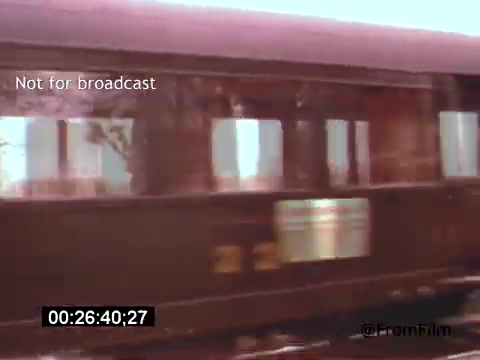
00:26:19.645 — The 16mm still from 'Vincent Van Gogh: A Self-Portrait' (1961) depicts a moving train, possibly signifying movement through time or reflection on Van Gogh's life. The color palette seems muted and nostalgic, enhancing the introspective quality associated with his artistry. Lee J. Cobb’s narration likely adds depth to the visual storytelling. The image captures a fleeting moment, conveying themes of travel and exploration.
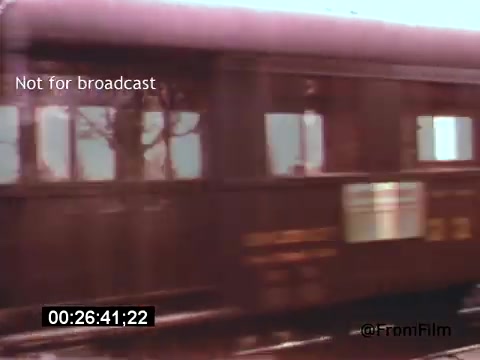
00:26:20.479 — This 16mm still from 'Vincent Van Gogh: A Self-Portrait' (1961) features a blurred view of a train car moving past, capturing a moment in motion. The color palette suggests a vintage aesthetic, and the presence of trees in the background adds to the scene's depth. This still evokes a sense of travel and transition, possibly reflecting Van Gogh's own journey through art and life. The film features Lee J. Cobb, hinting at a narrative that bridges the past and personal introspection.
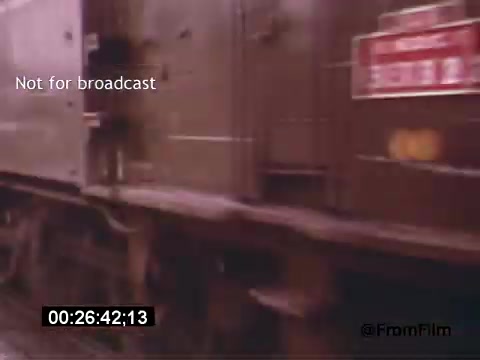
00:26:21.180 — The still from 'Vincent Van Gogh: A Self-Portrait' (1961) features a close-up of a moving train, likely reflecting the industrial backdrop of Van Gogh's era. The framing captures the speed and momentum of the train, indicative of a journey or transition. The text overlay indicates that it is not for broadcast, providing context for its use. This moment may symbolize themes of movement and change, resonant with Van Gogh’s tumultuous life.
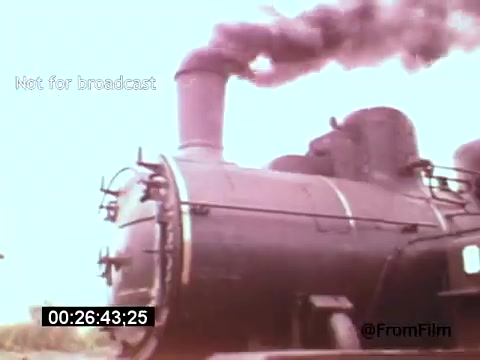
00:26:22.614 — The still from 'Vincent Van Gogh: A Self-Portrait (1961)' features a steam locomotive, showcasing a prominent black engine with a large smokestack emitting steam and smoke. The image is tinted in soft colors, contributing to a nostalgic ambiance. This moment captures the intersection of art and industrialism, often reflecting Van Gogh's themes of movement and change. The film features narration by Lee J. Cobb, adding to its artistic interpretation.
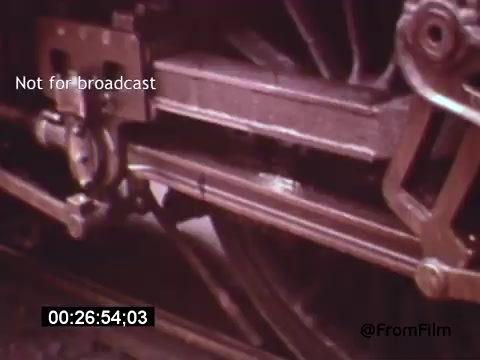
00:26:32.891 — The still from 'Vincent Van Gogh: A Self-Portrait' (1961) shows a close-up view of a train's mechanical components, emphasizing the intricate motion and machinery involved. This detail adds a rhythmic element, possibly symbolizing Van Gogh's connection to the energy and movement of life. Lee J. Cobb's narration likely complements this visual with insightful commentary, enhancing the film's exploration of the artist's legacy.
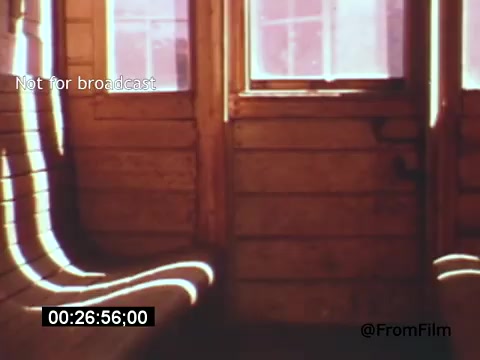
00:26:34.793 — The still from *Vincent Van Gogh: A Self-Portrait (1961)* features an interior scene with wooden walls and windows. Soft light streams in, creating a serene atmosphere. The composition highlights the texture of the wood and the play of light, evoking a contemplative mood that aligns with the themes of the film. Lee J. Cobb's involvement adds depth to the narrative, exploring Van Gogh's artistic vision and emotional struggles.
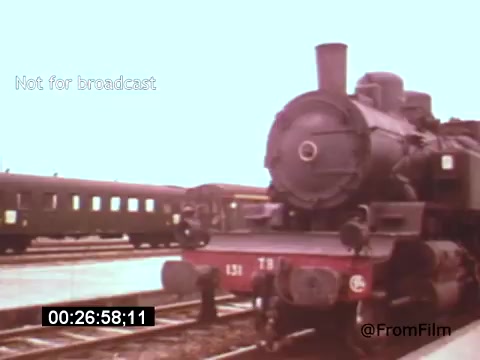
00:26:37.162 — The still from 'Vincent Van Gogh: A Self-Portrait' (1961) showcases a vintage steam locomotive at a train station, with passenger cars in the background. The image evokes the historical context of the early 20th century, possibly reflecting themes of travel and transition that relate to Van Gogh's life and artistic journey. The overall composition has a nostalgic quality, enhanced by the color palette typical of the film's era.
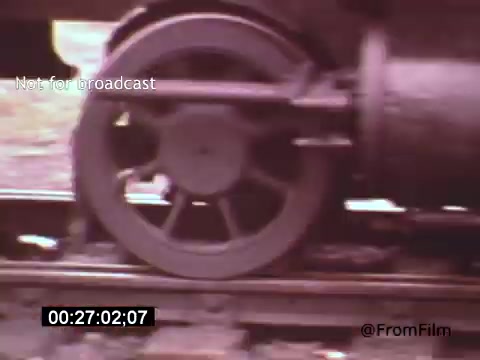
00:26:40.966 — This 16mm still from 'Vincent Van Gogh: A Self-Portrait' (1961) features a close-up shot of a train wheel in motion, capturing the intricate details of the machinery as it moves along the tracks. The sequence likely reflects the passage of time and the connection to Van Gogh's life and work, symbolizing movement and transformation.
00:26:43.368 — The 16mm still from 'Vincent Van Gogh: A Self-Portrait' (1961) features an abstract and visually striking representation, likely highlighting Van Gogh's character or artistic style. The film, narrated by Lee J. Cobb, emphasizes Van Gogh's emotional depth and turbulent life through these compelling visuals. The use of light and color may evoke the essence of Van Gogh's own paintings, providing a reflective glimpse into the mind of the artist.
00:26:46.438 — The still from 'Vincent Van Gogh: A Self-Portrait' (1961) features an evocative view of railway tracks, highlighting the gritty texture of the railway ties and stones. The perspective suggests movement, possibly signifying a journey or introspection, which aligns with Van Gogh's turbulent life. The film, narrated by Lee J. Cobb, explores the artist's emotional struggles and creative genius, making this simple yet powerful imagery a fitting visual representation of themes of journey and solitude.
00:26:47.840 — The still from 'Vincent Van Gogh: A Self-Portrait (1961)' features a close-up of railway tracks extending into the distance. The image captures the texture of the wooden ties and the metallic rails, possibly symbolizing Van Gogh's turbulent journey through life. The overall composition conveys a sense of isolation and reflection, aligning with themes of the film and the artist's experiences.
00:26:48.474 — The still from 'Vincent Van Gogh: A Self-Portrait' (1961) depicts a serene landscape featuring a tree-lined path winding through a grassy area. The colors are warm and soft, suggesting a nostalgic, perhaps impressionistic atmosphere. The scene reflects the rural environment often associated with Van Gogh's life and work, capturing a moment of tranquility in nature.
00:26:52.411 — The still from 'Vincent Van Gogh: A Self-Portrait' (1961) depicts a close view of railway tracks. The wooden ties and metal rails form a stark, linear composition that leads the eye into the distance. The color tones are likely warm, typical of the film's era, adding a nostalgic feel to the image. This moment captures a sense of journey, which may reflect Van Gogh's tumultuous life and artistic explorations. Lee J. Cobb's narration likely adds depth to this visual storytelling.
00:26:54.446 — The still from 'Vincent Van Gogh: A Self-Portrait' (1961) features a serene landscape with two haystacks amidst cultivated fields. The color palette is soft and muted, capturing a timeless rural aesthetic. The scene suggests a connection to Van Gogh's themes of nature and agricultural life, resonating with his love for the countryside. This contemplative moment aligns with the film's exploration of the artist's life and work, narrated by Lee J. Cobb.
00:26:58.484 — The 16mm still from 'Vincent Van Gogh: A Self-Portrait' (1961) depicts a moving train, emphasizing the theme of travel and transition. The image is likely part of a montage connecting Van Gogh's life with his artwork and experiences. The presence of Lee J. Cobb, potentially as a narrator, adds depth to the portrayal of the artist. The text overlay indicates that the footage is not for broadcast, suggesting it might be archival or behind-the-scenes material.
00:27:00.452 — The still from 'Vincent Van Gogh: A Self-Portrait' (1961) features a pastoral landscape viewed from a path. The scene captures a serene, rural environment characterized by fields and distant hills. The muted colors and soft focus evoke the impressionistic style associated with Van Gogh's art, suggesting a reflective tone that aligns with the film's exploration of the artist's life and work, narrated by Lee J. Cobb.
00:27:07.826 — The still from 'Vincent Van Gogh: A Self-Portrait' (1961) likely captures a landscape scene, emphasizing the natural beauty that influenced Van Gogh's work. Given its context, viewers can expect a reflective exploration of the artist's life and struggles, narrated by Lee J. Cobb. The visual quality, characteristic of 16mm film, adds a nostalgic tone to the portrayal of Van Gogh's world.
00:27:09.361 — The still from 'Vincent Van Gogh: A Self-Portrait' (1961) features a blurred landscape, evoking the impressionistic style associated with Van Gogh's work. The image may depict natural elements, possibly reflective of the environments that inspired the artist. The film captures a moment rich with historical context, utilizing the visuals to enhance the narrative around Van Gogh's life. Lee J. Cobb’s narration likely adds depth to this portrayal. For more insights and support, consider visiting our channel: https://ko-fi.com/fromfilm.
00:27:10.162 — The still from 'Vincent Van Gogh: A Self-Portrait' (1961) presents a visually rich, textured scene, likely depicting elements from Van Gogh's artistic world. The use of warm, earthy tones creates a dreamlike quality, which could reflect the emotional depth of Van Gogh's life and work. Given the film's connection to the renowned actor Lee J. Cobb, the scene may evoke introspection or emotional resonance, characteristic of Van Gogh’s own art. The timestamp suggests this moment is part of a larger narrative exploring Van Gogh's psyche and artistic journey.
00:27:14.766 — The still from 'Vincent Van Gogh: A Self-Portrait' (1961) likely depicts a close-up of train tracks, creating a sense of movement and transition. The use of color, possibly muted tones, suggests a reflection on Van Gogh's emotional state. This visual juxtaposition aligns with themes of isolation and journey, resonating with Van Gogh's life and artistry. Lee J. Cobb's narration may further enhance the emotional depth of the piece.
00:27:17.169 — The still from 'Vincent Van Gogh: A Self-Portrait' (1961) captures a close-up of rustic railway tracks, emphasizing the textures of the weathered wood and metal. The soft colors suggest a vintage quality, possibly reflecting the emotional depth of Van Gogh's art. This scene might symbolize the journey and struggles of the artist, connecting to themes in the film. The presence of Lee J. Cobb indicates a dramatic interpretation, enhancing the narrative of Van Gogh’s life.
00:27:18.170 — The 16mm still from 'Vincent Van Gogh: A Self-Portrait (1961)' features a close-up view of a steam locomotive's wheels and tracks. The image captures the intricate details of the machinery in motion, symbolizing the passage of time and the journey of Van Gogh's artistic life. The film, narrated by Lee J. Cobb, aims to explore the artist's life and struggles.
00:27:23.942 — The still from 'Vincent Van Gogh: A Self-Portrait' (1961) appears to depict a railway scene, showing train tracks alongside a station. The image is likely infused with a nostalgic or artistic aesthetic typical of 16mm film, possibly reflecting the themes of journey and introspection related to Van Gogh's life and work. The visual elements may also convey a sense of isolation or transition, resonating with the broader narrative of the film.
00:27:28.647 — The 16mm still from 'Vincent Van Gogh: A Self-Portrait' (1961) features an intimate view of a wooden interior, likely a room reflecting Van Gogh's time. The natural light filters through windows, casting soft shadows and highlights on the wooden surfaces. This scene captures a sense of solitude and introspection, resonating with the themes of Van Gogh's life and artistry. The presence of muted colors and textures creates a contemplative atmosphere, invoking the emotional depth associated with his work.
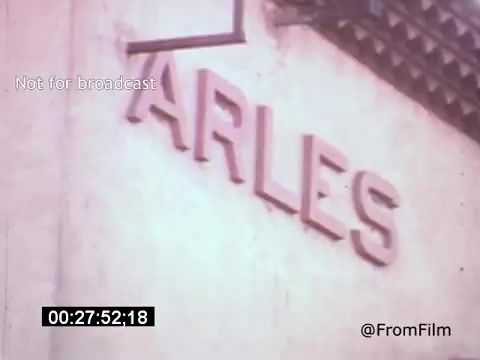
00:27:31.383 — The still from *Vincent Van Gogh: A Self-Portrait (1961)* features a close-up of the word 'ARLES,' referencing the city where Van Gogh lived and painted significant works. This scene likely emphasizes his connection to the location, enhancing the narrative about the artist's life and experiences. The film, narrated by Lee J. Cobb, explores Van Gogh's artistic journey and personal struggles.
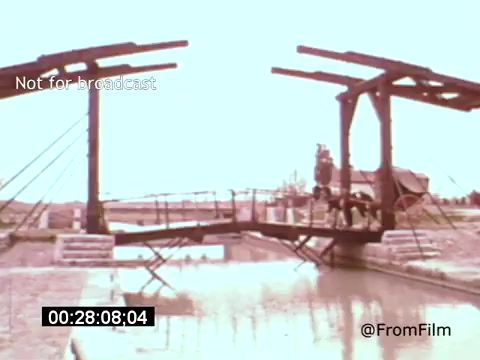
00:27:46.865 — The still from 'Vincent Van Gogh: A Self-Portrait' (1961) features a picturesque scene with a wooden drawbridge spanning a tranquil waterway. The bridge, supported by strong wooden beams, is the focal point, while a horse-drawn wagon waits nearby. The muted colors and soft lighting evoke a serene, pastoral setting, reminiscent of Van Gogh's own artistic style and reflective of his life in the rural countryside. The overall composition suggests themes of labor and connection to nature, integral to Van Gogh's narrative.
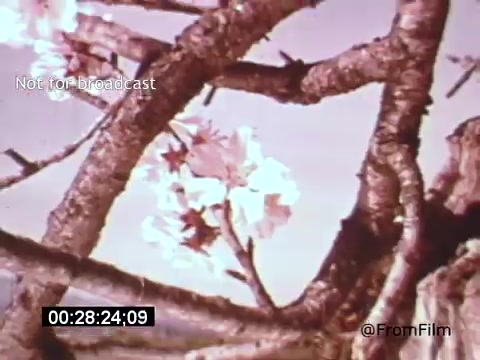
00:28:03.015 — The 16mm still from 'Vincent Van Gogh: A Self-Portrait' (1961) features a close-up of tree branches adorned with delicate pink and white blossoms. The natural scene evokes the beauty and vibrancy typical of Van Gogh's artwork, reflecting his connection to nature and the changing seasons. The composition suggests a serene moment, highlighting the intricate details of the blossoms against a soft, pastel background. This still captures the essence of Van Gogh's artistic influence and appreciation for the nuances of life.
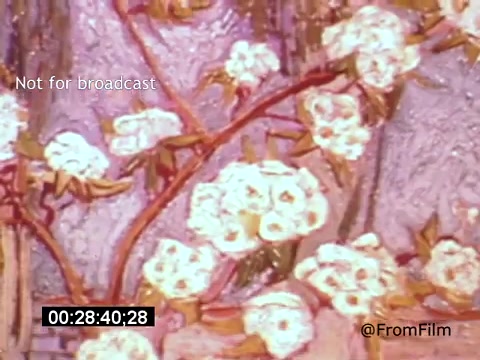
00:28:19.665 — The still from 'Vincent Van Gogh: A Self-Portrait (1961)' features a close-up of blooming flowers, rendered in vibrant colors and textured brushstrokes. The composition captures Van Gogh's signature style, showcasing lively petals and a dynamic interplay of light and shadow against a backdrop that reflects his fascination with nature. This still emphasizes the emotional depth and visual intensity characteristic of Van Gogh's work.
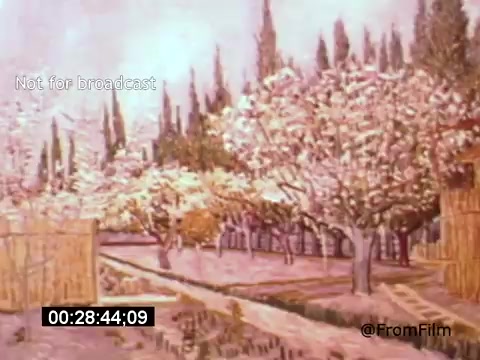
00:28:23.068 — The still from 'Vincent Van Gogh: A Self-Portrait' (1961) showcases a serene landscape featuring blossoming trees, likely inspired by Van Gogh's own artistic style. The vibrant colors and expressive brushwork reflect the passion of the artist, while the surrounding cypress trees add a sense of structure to the scene. The composition evokes a dreamlike quality, resonating with Van Gogh's emotional and visual approach to nature.
00:28:44.323 — The 16mm still from 'Vincent Van Gogh: A Self-Portrait' (1961) features a sunlit outdoor scene with a simple table and a chair. On the table, there is a small plate and a spoon, suggesting a tranquil moment. The chair, characterized by its red and natural wood design, adds a vibrant touch to the composition. The image evokes a sense of calmness and reflection, fitting the theme of Van Gogh's introspective work.
00:28:51.463 — The 16mm still from 'Vincent Van Gogh: A Self-Portrait' (1961) features a solitary red and green striped chair set against a sandy background. The composition emphasizes the chair's vibrant colors, capturing a serene, introspective moment. This visual serves to reflect themes of isolation and artistic contemplation, resonating with Van Gogh's own experiences. Lee J. Cobb narrates, adding a layer of depth to the scene.
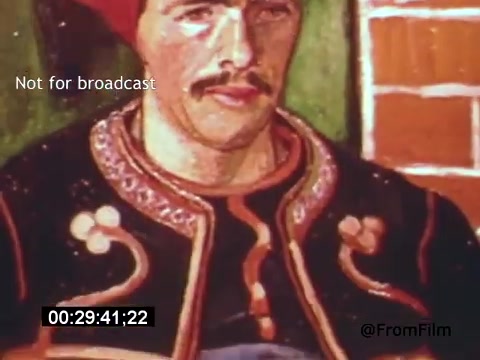
00:29:20.492 — The still from *Vincent Van Gogh: A Self-Portrait (1961)* features an artistic representation of Vincent Van Gogh, showcasing bold colors and expressive brushwork typical of his style. The subject, depicted with a mustache, is wearing a distinctive jacket adorned with decorative patterns, capturing the essence of Van Gogh’s unique artistic vision. The background includes simple, contrasting elements that enhance the overall composition.
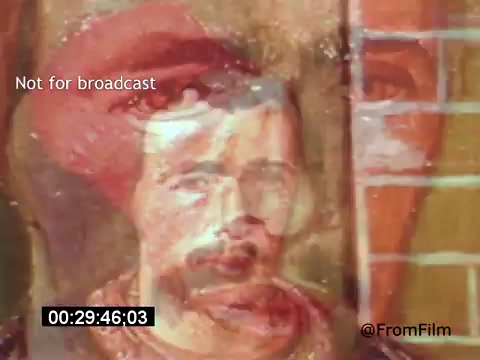
00:29:24.863 — The 16mm still from 'Vincent Van Gogh: A Self-Portrait' (1961) features an artistic interpretation of Van Gogh’s likeness, blending vibrant colors with textured brush strokes. The image captures a stylized representation of Van Gogh’s face, highlighted by a swirling background that evokes his dynamic painting style. The overall effect communicates both the emotional depth and complexity of the artist. Lee J. Cobb's involvement likely adds a narrative weight to the visual presentation.
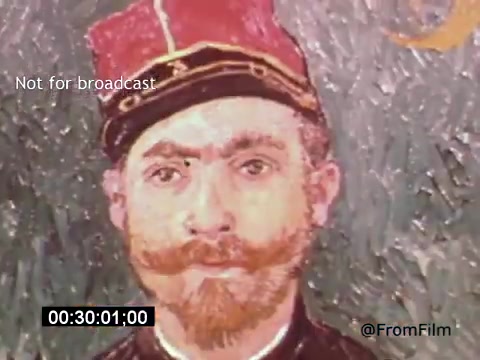
00:29:39.745 — The still from 'Vincent Van Gogh: A Self-Portrait' (1961) features an expressive portrayal of Van Gogh, complete with his iconic beard and distinctive hat. The vibrant brushstrokes capture his intense gaze, set against a textured background that reflects his artistic style. The color palette emphasizes the emotional depth typical of his work. Lee J. Cobb voices the role, adding a dramatic layer to the visual narrative.
00:29:48.787 — The still from *Vincent Van Gogh: A Self-Portrait (1961)* features a natural landscape, showcasing a path leading through lush vegetation towards rocky terrain. The color palette appears muted, lending a nostalgic and reflective quality to the scene. This moment may evoke Van Gogh's connection to nature and its influence on his artistry. The film is narrated by Lee J. Cobb, emphasizing Van Gogh's profound experiences and struggles.
00:29:51.590 — The 16mm still from 'Vincent Van Gogh: A Self-Portrait' (1961) shows a serene landscape featuring a blend of rocky foreground and a distant tower or structure amidst greenery. The scene is bathed in soft colors, suggesting an ethereal quality typical of Van Gogh's artistic style. The inclusion of a timestamp indicates a moment captured during the film, which is narrated by Lee J. Cobb, contributing to the exploration of Van Gogh's life and artistry.
00:29:55.293 — The still from 'Vincent Van Gogh: A Self-Portrait' (1961) likely depicts a vibrant landscape scene, characteristic of Van Gogh's style. The colors are intense and may feature swirling forms, suggesting movement and emotion. This visual style reflects Van Gogh's connection to nature and his unique artistic expression. The narrative is likely supported by Lee J. Cobb's voiceover, adding depth to the portrayal of the artist's life and work.
00:30:20.185 — The still from 'Vincent Van Gogh: A Self-Portrait (1961)' features a vibrant, impressionistic depiction of a farmhouse beside water. The scene captures the essence of Van Gogh's style with bold brushstrokes and bright colors. Two figures can be seen near the water, adding a sense of life to the tranquil landscape. The overall composition evokes a feeling of harmony with nature, characteristic of Van Gogh's work. Support the channel at: https://ko-fi.com/fromfilm.
00:30:21.887 — The still from 'Vincent Van Gogh: A Self-Portrait' (1961) features a vibrant, painterly depiction of a rural landscape. In the foreground, a wagon with a large wheel is prominently displayed, surrounded by fields of golden grass. In the background, there are hints of additional figures and a distant structure, creating a sense of depth and movement within the scene. The colors are warm and textured, reflecting Van Gogh's distinctive style. Lee J. Cobb's narration likely adds a rich context to this visual representation of Van Gogh's world.
00:30:36.234 — The still from 'Vincent Van Gogh: A Self-Portrait' features a tranquil coastal scene with gentle waves lapping against rocky shores. The color palette is warm and soft, capturing a serene moment that contrasts with Van Gogh's intense and turbulent life. The scene evokes a sense of peace and reflection, aligning with themes of nature and self-exploration often found in the artist’s work.
00:30:38.236 — The still from 'Vincent Van Gogh: A Self-Portrait' (1961) likely features a vivid, expressive representation of waves, embodying the emotional intensity often associated with Van Gogh's style. The use of color hints at an artistic interpretation, blending abstraction with natural elements. The presence of Lee J. Cobb suggests a dramatic narration, complementing the visual impact of the scene. This specific moment captures a sense of turmoil reflective of both the ocean’s movement and Van Gogh’s turbulent life.
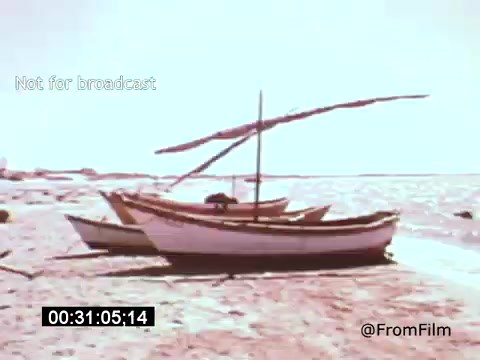
00:30:44.242 — The still from 'Vincent Van Gogh: A Self-Portrait' (1961) features a serene coastal scene with several boats anchored on a sandy shore. The image has a soft color palette, giving it a dreamlike quality, and there's a gentle emphasis on the natural landscape. This visual style complements the reflective nature of the documentary, exploring Van Gogh's life and art.
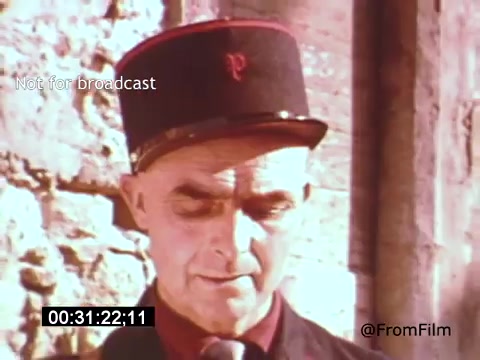
00:31:01.126 — The still from 'Vincent Van Gogh: A Self-Portrait' (1961) features a man in a vintage uniform with a distinctive cap, adorned with a letter 'P.' The setting appears to be outdoors, possibly near a stone wall. The man's expression is pensive, creating a contemplative atmosphere that aligns with the film’s exploration of Van Gogh’s life and artistry. The scene captures a moment that may reflect on themes of identity and perception.
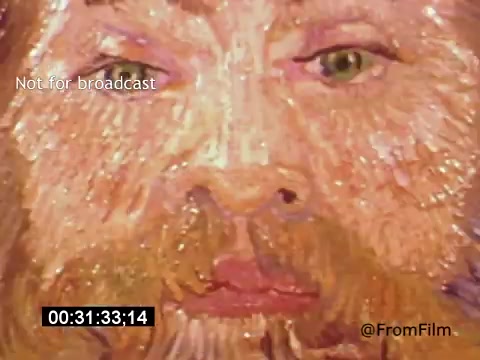
00:31:12.270 — The still from 'Vincent Van Gogh: A Self-Portrait' (1961) likely captures a close-up of Van Gogh's iconic portrait. The texture of the paint is emphasized, showcasing vibrant colors and brush strokes that evoke Van Gogh's expressive style. The gaze appears introspective, reflecting the artist's emotional depth. This film features narration or dramatization by Lee J. Cobb, adding a layer of storytelling to the visual representation.
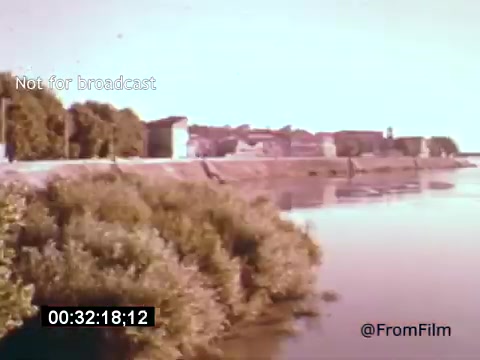
00:31:57.149 — The still from *Vincent Van Gogh: A Self-Portrait* (1961) features a tranquil river scene with lush greenery along the banks. In the background, there's a glimpse of historical buildings, suggesting a serene landscape that may reflect Van Gogh's artistic inspirations. The soft colors and vintage feel evoke the atmosphere of the period, enhancing the connection to the artist's life and work. Lee J. Cobb's narration likely adds depth to this visual representation, contextualizing Van Gogh's story.
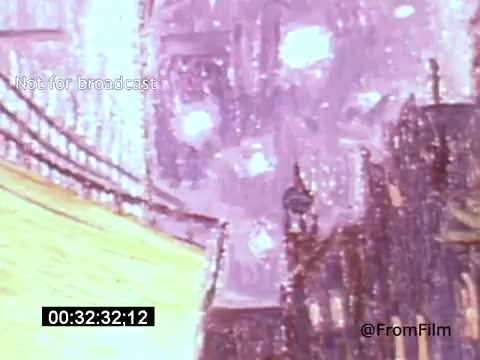
00:32:11.163 — The 16mm still from 'Vincent Van Gogh: A Self-Portrait' (1961), featuring Lee J. Cobb, captures a vivid, impressionistic scene. The image showcases swirling colors and abstract shapes, reminiscent of Van Gogh's style, possibly depicting a nighttime cityscape. The warm yellows contrast with cooler hues, suggesting vibrancy and emotion, while the presence of light spots could symbolize stars or reflections, contributing to a sense of depth and movement. The frame indicates this is part of a larger narrative focused on the artist's life and work.
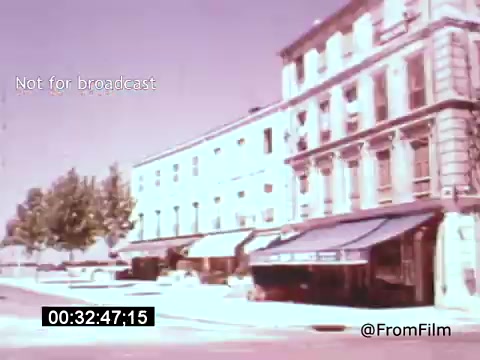
00:32:26.311 — The still from 'Vincent Van Gogh: A Self-Portrait' (1961) features a pastel-colored streetscape, showcasing a row of buildings with shops, likely set in a European context. The architectural style suggests a historic urban environment, while the sunny daylight creates a cheerful atmosphere. The presence of trees adds a touch of nature to the scene. The film is narrated by Lee J. Cobb, providing depth to Van Gogh's artistic journey.
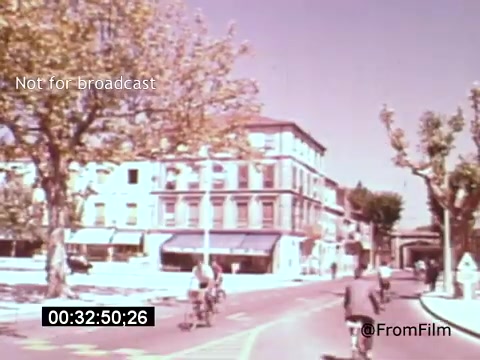
00:32:29.648 — The still from 'Vincent Van Gogh: A Self-Portrait (1961)' features a vibrant street scene, characterized by cyclists riding down a road lined with trees and buildings. The color palette is warm and inviting, suggesting a leisurely atmosphere. The backdrop includes a charming building with a storefront, hinting at the historical context of Van Gogh's life and the places he frequented. The overall composition evokes a sense of nostalgia and connection to the artist's world.
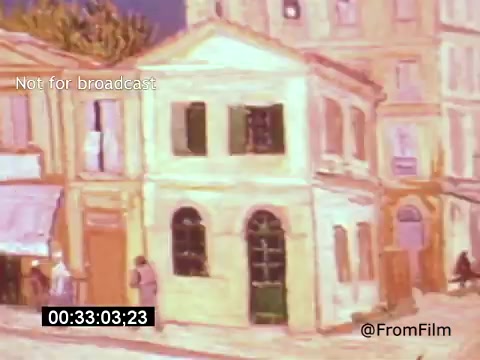
00:32:42.527 — The still from *Vincent Van Gogh: A Self-Portrait (1961)* features a painted scene of a quaint street. It showcases a building with yellow and beige tones, black windows, and doorways, surrounded by other structures. Elements of Van Gogh's signature style, such as expressive colors and bold brush strokes, are evident. The shot captures a moment in the film that likely reflects Van Gogh's artistic environment, contributing to the portrayal of his life and work.
00:32:47.165 — The 16mm still from 'Vincent Van Gogh: A Self-Portrait' (1961) showcases an impressionistic depiction of a rustic setting. The image features a modest building with a sloped roof, rendered in bold strokes, characteristic of Van Gogh's style. There are figures, likely representing people, positioned near the structure, evoking a sense of everyday life. The vibrant colors and textured brushwork highlight the emotional depth and vividness associated with Van Gogh’s artistic vision.
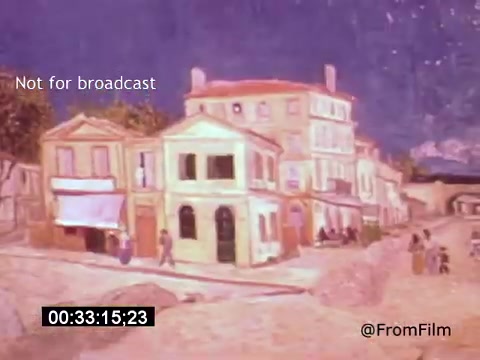
00:32:54.506 — The still from 'Vincent Van Gogh: A Self-Portrait' (1961) features a picturesque street scene with colorful buildings and people. The artistic rendition showcases a quaint village atmosphere, highlighting Van Gogh's distinctive painting style. The light, pastel colors and expressive brushwork evoke a sense of nostalgia and warmth, capturing the essence of Van Gogh's artistic vision. The presence of figures suggests daily life, contributing to the film's exploration of the artist's world.
00:33:00.178 — The still from 'Vincent Van Gogh: A Self-Portrait' features a close-up of vibrant, expressive brush strokes depicting sunflowers. The rich yellows and deep reds convey Van Gogh's passionate style, reflecting his unique approach to color and texture. The frame captures the essence of Van Gogh's artistry, highlighting his emotional connection to nature. This moment emphasizes the film's exploration of the life and creative spirit of the renowned artist, with Lee J. Cobb's narration adding depth to the imagery.
00:33:20.265 — The 16mm still from 'Vincent Van Gogh: A Self-Portrait' (1961) features a close-up of an interior space. Notable elements include a window that allows light to filter in, and a painting on the wall representing Van Gogh's textured and vibrant style. The setting appears warm and inviting, with a simple table below, emphasizing the artist's personal connection to his environment. The color palette is rich and engaging, reflective of Van Gogh's artistic sensibilities.
00:33:24.970 — The still from *Vincent Van Gogh: A Self-Portrait (1961)* features a warm, inviting interior of a room, characterized by wooden furnishings, including a simple bed with a red coverlet, a table, and a chair. The walls are adorned with framed art, reflecting Van Gogh's vibrant color palette. A window allows light to filter in, enhancing the overall warmth of the scene. This imagery conveys the essence of Van Gogh's life and artistic environment.
00:34:24.329 — The still from 'Vincent Van Gogh: A Self-Portrait' (1961) features a sunlit street scene, likely depicting a quaint, old-world atmosphere. The buildings are textured and weathered, reflecting the historical context of Van Gogh's life. The color palette suggests a warm, nostalgic tone, enhancing the intimate portrayal of the artist's environment. Lee J. Cobb's narration adds depth to this visual representation of Van Gogh's world.
00:34:27.132 — The still from 'Vincent Van Gogh: A Self-Portrait' (1961) features a muted, pastel-colored urban scene. It depicts a building with an overhanging roof and a streetlamp, suggesting a quiet, introspective atmosphere. A shadowy presence of vintage cars hints at the time period. The soft focus and faded colors evoke a sense of nostalgia, aligning with Van Gogh's artistic themes. The image is marked 'Not for broadcast,' indicating it is intended for archival purposes.
00:34:30.936 — The still from 'Vincent Van Gogh: A Self-Portrait' (1961) features a blurred or abstract representation, potentially conveying emotion or the feeling of Van Gogh's turbulent artistic journey. It evokes a sense of introspection, fitting for a film about the renowned artist, and might suggest the complexity of his inner life. The inclusion of Lee J. Cobb indicates a strong narrative presence, enriching the film's exploration of Van Gogh's legacy.
00:34:33.305 — The still from 'Vincent Van Gogh: A Self-Portrait' (1961) features an archway in a serene, park-like setting. The stone structure is weathered and ornate, surrounded by lush greenery and trees, imparting a sense of history and tranquility. The image captures an artistic, reflective mood that complements the themes of the film.
00:34:33.805 — The still from 'Vincent Van Gogh: A Self-Portrait (1961)' features a visual blur, likely capturing an emotionally charged moment. The style suggests a blend of dreamlike imagery with hints of Van Gogh's artistic essence, evoking a sense of introspection. The film, narrated by Lee J. Cobb, aims to explore the life and mind of the renowned painter. The timestamp indicates an ongoing scene that might delve deeper into Van Gogh's emotional landscape.
00:34:37.309 — The still from 'Vincent Van Gogh: A Self-Portrait' (1961) captures a tranquil outdoor scene, likely reflecting a contemplative moment in the film. Dominating the foreground is a large tree, its trunk prominent and textured. In the background, a stone wall encloses what appears to be a historic cemetery with visible graves, enhancing the somber atmosphere. The lighting suggests a soft, natural ambience, inviting viewers to reflect on Van Gogh's life and artistic legacy. The presence of Lee J. Cobb adds gravitas to the portrayal of this iconic artist.
00:34:58.863 — The still from 'Vincent Van Gogh: A Self-Portrait' (1961) features the exterior of a building with the name 'Le Ravelle' painted prominently. The image may convey a sense of the vibrant life surrounding Van Gogh, reflecting his connection to places that influenced his art. The film highlights the artist's life and struggles, narrated by Lee J. Cobb, emphasizing both the beauty and turmoil of Van Gogh's existence.
00:35:03.168 — The still from 'Vincent Van Gogh: A Self-Portrait' (1961) features a close-up of a curtain made of colorful, vertical slats, likely representing the vibrant hues often found in Van Gogh's works. The scene evokes a sense of intimacy and texture, reflecting the warmth and emotional depth associated with Van Gogh's artistry. This visual context highlights the film's exploration of Van Gogh's inner world and creative spirit, narrated by Lee J. Cobb.
00:35:04.169 — The still from 'Vincent Van Gogh: A Self-Portrait' (1961) features a close-up of what appears to be a textured surface, possibly showcasing the artist's signature brushwork or a woven pattern. The film, narrated by Lee J. Cobb, explores Van Gogh’s life and artistry, offering a glimpse into his emotional depth and creative genius. The imagery typically reflects themes of color and form significant to Van Gogh's work.
00:35:04.803 — The still from *Vincent Van Gogh: A Self-Portrait (1961)* features a close-up of vibrant, textured brush strokes in rich reds and yellows, reflecting the emotional depth associated with Van Gogh's style. The scene likely connects to themes of artistry and introspection, supported by the narration of Lee J. Cobb. The timecode indicates a specific moment in the film, adding context to the unfolding narrative.
00:35:05.670 — The still from 'Vincent Van Gogh: A Self-Portrait' (1961) features a close-up view of textured surfaces with vertical stripes in varying shades of red and yellow. The image captures the essence of Van Gogh's vibrant color palette, possibly referencing his unique brushwork and artistic style. The timestamp indicates a moment within the film, emphasizing the visual intricacies used to explore the artist's life and work through the narration of Lee J. Cobb.
00:35:06.404 — The 16mm still from 'Vincent Van Gogh: A Self-Portrait (1961)' likely features a close-up view of painted or stylized vertical lines, possibly representing Van Gogh's artistic brushwork or his symbolic approach. The colors may evoke the emotional intensity typical of his palette, contributing to the film's exploration of the artist's life and creativity. Lee J. Cobb's narration would provide depth, likely reflecting on Van Gogh's tumultuous journey and significant impact on art.
00:35:09.741 — The still from *Vincent Van Gogh: A Self-Portrait (1961)* showcases a close-up of an eye, capturing the intricate details of the painted canvas. The brush strokes and texture emphasize Van Gogh's distinctive style, highlighting the emotion conveyed through the eye. The focus on this singular feature invites viewers to reflect on the artist's life and inner world, with narration by Lee J. Cobb complementing the visual impact.
00:35:27.659 — The still from 'Vincent Van Gogh: A Self-Portrait' (1961) features a close-up of a painted face, characterized by Van Gogh's distinct brushstroke style. The colors are rich and expressive, with a predominantly warm palette. This moment likely captures the emotional depth often found in Van Gogh's work. Lee J. Cobb's narration may enhance the reflection on the artist's life and struggles.
00:36:17.909 — The still from 'Vincent Van Gogh: A Self-Portrait' (1961) shows a close-up of a candle flame amidst an impressionistic background. The painting captures the texture and vibrant colors characteristic of Van Gogh's style, with strokes conveying emotion and depth. Lee J. Cobb narrates, providing a contextual layer to the artwork's exploration of Van Gogh's life.
00:36:31.256 — The still from *Vincent Van Gogh: A Self-Portrait (1961)* features an aged, textured wall of a building, hinting at a historic or rural setting. The faded colors evoke a sense of nostalgia, emphasizing the film's introspective and artistic themes. The presence of windows, some partially open, adds depth and a hint of mystery to the scene.
00:36:40.231 — The still from 'Vincent Van Gogh: A Self-Portrait' (1961) features a close-up of stone walls. The texture of the rocks is prominent, conveying a sense of history and permanence. The muted colors add to the somber and reflective mood typical of Van Gogh's work, possibly paralleling themes of isolation or introspection. Lee J. Cobb's narration complements the visual, enhancing the exploration of Van Gogh's life and artistry.
00:37:36.087 — The still from 'Vincent Van Gogh: A Self-Portrait' (1961) presents a vibrant and stylized depiction of a scene featuring buildings with warm colors, likely inspired by Van Gogh's artistic style. The atmosphere is enhanced by a pinkish background, contributing to an impressionistic feel. The scene might include figures walking, adding a sense of life and movement. The film, narrated by Lee J. Cobb, explores Van Gogh's life and artistry, reflecting his emotional depth and unique vision.
00:37:47.632 — The still appears to be a scene from 'Vincent Van Gogh: A Self-Portrait' (1961), featuring poignant visuals likely tied to Van Gogh's life and work. The title card indicates that this frame is not for broadcast, suggesting a focus on behind-the-scenes or archival content. The presence of Lee J. Cobb, known for his powerful narration, adds depth to the portrayal of Van Gogh's complex character and artistic journey. The artistic composition may evoke the emotional intensity characteristic of Van Gogh’s paintings.
00:37:53.838 — The still from 'Vincent Van Gogh: A Self-Portrait' (1961) depicts an empty, rustic bed with a simple blanket partially covering it, set against a plain wall. The scene conveys a sense of solitude and introspection, reflecting Van Gogh's turbulent emotional state. The absence of a person emphasizes themes of isolation and mental struggle, key elements in Van Gogh’s life and work.
00:38:34.679 — The still from *Vincent Van Gogh: A Self-Portrait (1961)* features a close-up of a sign that reads 'CHAMBRE D'ISOLEMENT,' which translates to 'Isolation Room.' The background suggests a rustic wooden door, hinting at the somber and introspective themes of the film, likely referencing Van Gogh's struggles with mental health. The image has a timestamp and a note that it is 'Not for broadcast,' indicating it might be a behind-the-scenes or archival shot. This scene conveys a sense of isolation, echoing Van Gogh's tumultuous life.
00:38:49.260 — The 16mm still from 'Vincent Van Gogh: A Self-Portrait' (1961) features a textured surface, possibly depicting elements from Van Gogh's artwork or aspects of his life. The frame is likely imbued with a warm color palette, evoking the emotional depth and vibrancy associated with Van Gogh's style. It may also include visual representations that resonate with themes of creativity and the struggles of the artist. The caption 'Not for broadcast' suggests a preservation of the film's integrity.
00:39:08.646 — The still from 'Vincent Van Gogh: A Self-Portrait' (1961) features a window scene showcasing an outdoor view. The colors are vivid, reflecting Van Gogh's style, with a play of light and shadow. It captures a momentary glimpse, emphasizing the artistic essence and emotional depth associated with Van Gogh’s life and work, narrated by Lee J. Cobb. The image is marked as 'Not for broadcast,' indicating its use is restricted.
00:39:18.656 — The 16mm still from 'Vincent Van Gogh: A Self-Portrait (1961)' likely captures a blending of natural elements and architecture, suggesting a scene reflective of Van Gogh's artistic landscape. The overlay of colors hints at an impressionistic style, echoing Van Gogh's own techniques. With Lee J. Cobb's narration, the scene embodies a contemplative atmosphere, inviting viewers to engage with the life and artistry of Van Gogh.
00:39:20.592 — The still from 'Vincent Van Gogh: A Self-Portrait' (1961) captures a scene filled with lush greenery and a historical building, likely representative of the environments that influenced Van Gogh's work. The colors appear vibrant yet slightly washed out, typical of 16mm film. The framing suggests a tranquil outdoor setting, possibly connecting to themes of nature that permeate Van Gogh's art. The presence of light and shadow hints at the dynamic emotional landscapes found in his paintings.
00:39:25.396 — The still from 'Vincent Van Gogh: A Self-Portrait (1961)' features a weathered building with peeling paint and closed shutters, conveying a sense of history and melancholy. The muted colors enhance the reflective mood, aligning with Van Gogh's introspective nature. This moment, part of a film narrated by Lee J. Cobb, captures the essence of Van Gogh's artistic journey and surroundings.
00:39:35.473 — The 16mm still from 'Vincent Van Gogh: A Self-Portrait' (1961) features a barred window with shutters, creating a somber atmosphere. The muted colors and soft focus evoke a dreamlike quality, akin to Van Gogh's emotional landscape. The presence of the bars suggests captivity, reflecting the artist's tumultuous life. This visual complements Lee J. Cobb's narrative, enhancing the film's exploration of Van Gogh's psyche.
00:39:37.775 — In this still from 'Vincent Van Gogh: A Self-Portrait' (1961), we see a view from behind barred windows, suggesting a sense of confinement. The landscape outside features greenery and a river, evoking a contrast between the beauty of nature and the enclosure represented by the bars. The color palette appears warm, enhancing the emotional weight of the scene. This visual effectively sets the tone for exploring Van Gogh's complex inner world, particularly his struggles with mental health and isolation. To support the channel, visit: https://ko-fi.com/fromfilm.
00:40:41.005 — The still from *Vincent Van Gogh: A Self-Portrait (1961)* features an abstract interplay of light and shadow created by ferns. The distinct outlines and textures suggest a close-up view, emphasizing the organic shapes. The warm tones and layered patterns evoke a contemplative mood, aligning with the introspective nature of Van Gogh's art. The scene captures a moment of visual poetry, mirroring the artist's appreciation for nature and his unique style.
00:40:43.508 — The still from 'Vincent Van Gogh: A Self-Portrait' (1961) features a vibrant, impressionistic depiction, likely capturing elements of nature, such as trees and rocks. The colors are warm and somewhat abstract, evoking Van Gogh's signature style. The film, narrated by Lee J. Cobb, emphasizes the emotional depth and artistic journey of Van Gogh, possibly reflecting his unique vision of the world. The frame also includes a 'Not for broadcast' watermark, indicating it's intended for private viewing.
00:40:51.516 — The still from 'Vincent Van Gogh: A Self-Portrait' (1961) features a close-up shot with surreal colors, likely depicting textures that evoke Van Gogh’s expressive style. The presence of a light source hints at a moment of introspection or artistic creation, accompanied by the voice of Lee J. Cobb, offering a reflective narrative on the artist's life. The film's experimental approach likely captures the emotional intensity of Van Gogh's work.
00:40:52.617 — The still from 'Vincent Van Gogh: A Self-Portrait' (1961) features a vivid and somewhat abstract scene. Dominated by bright colors, it captures dynamic, swirling shapes reminiscent of Van Gogh’s own painting style. This moment, likely from a visually expressive sequence, reflects the emotional intensity associated with Van Gogh’s art and life, particularly as narrated by Lee J. Cobb. The composition emphasizes nature, possibly symbolizing Van Gogh's connection to the world around him.
00:40:56.354 — The 16mm still from *Vincent Van Gogh: A Self-Portrait (1961)* depicts a vibrant, swirling landscape characterized by bold colors and dynamic brush strokes, reminiscent of Van Gogh's iconic style. The scene features a rugged terrain with twisting trees and layered hills, evoking a sense of movement and emotion typical of Van Gogh's work. The presence of striking hues emphasizes the expressive and tumultuous nature of the artist's vision. Lee J. Cobb provides narration, grounding the visual artistry in the context of Van Gogh’s life and struggles.
00:41:06.431 — The still from 'Vincent Van Gogh: A Self-Portrait (1961)' features a view through barred windows, suggesting confinement and isolation. The colors are likely soft and muted, typical of the film's palette, evoking the emotional depth of Van Gogh's life and struggles. This moment may symbolize the artist's turbulent state of mind, emphasizing themes of despair intertwined with creativity.
00:41:09.334 — The still from 'Vincent Van Gogh: A Self-Portrait' (1961) depicts a barred window looking out onto a vibrant landscape featuring rows of greenery, likely vineyards. The scene is illuminated with soft, natural light, creating a serene yet contemplative atmosphere. This moment captures a connection to the outside world, reminiscent of Van Gogh's own struggles and reflections. Lee J. Cobb's narration enhances the emotional depth of this visual.
00:41:19.711 — The still from *Vincent Van Gogh: A Self-Portrait (1961)* features a vibrant depiction of Van Gogh's iconic style, characterized by swirling brushstrokes and a palette of soft pink and orange hues. The background suggests a landscape, likely reflecting Van Gogh's emotional connection to nature. Lee J. Cobb's narration enhances the exploration of Van Gogh's life and artistic vision. This moment captures the essence of Van Gogh’s expressive use of color and form.
00:41:30.521 — The still from 'Vincent Van Gogh: A Self-Portrait (1961)' features an expressive close-up portrayal of Van Gogh's face. The vibrant brush strokes capture the intensity of his gaze, showcasing his distinctive features such as the eyes and beard. The colors are rich and textured, highlighting the emotional depth and complexity often associated with Van Gogh's life and art. Lee J. Cobb's narration likely adds further context to this visual interpretation of the iconic artist.
00:41:45.903 — The still from 'Vincent Van Gogh: A Self-Portrait' (1961) likely captures an introspective moment, with dim lighting and a sense of isolation. The image hints at Van Gogh’s emotional state, reflecting his struggles. Elements like a bed frame suggest a personal space associated with vulnerability. The artistic choice of color and shadow emphasizes a somber atmosphere, characteristic of the film's exploration of Van Gogh's life and mental health.
00:41:53.611 — The still from 'Vincent Van Gogh: A Self-Portrait' (1961) depicts a reflective surface, possibly a floor or wall, illuminated by sunlight filtering through a grid of window panes. The interplay of light and shadow creates a visually striking composition, emphasizing texture and depth. This moment highlights the introspective nature of the film, evoking the artist's emotional landscape.
00:41:58.182 — The still is from 'Vincent Van Gogh: A Self-Portrait' (1961) and features a close-up of a purple iris flower, emphasizing its vivid color and delicate petals. The background is softly blurred, likely capturing the essence of Van Gogh's impressionistic style. This moment may reflect Van Gogh's appreciation for nature, which often influenced his artwork. The timestamp suggests it is part of a sequence exploring the artist's life or inspirations. For more insights and to support our channel, visit: https://ko-fi.com/fromfilm.
00:42:05.556 — The 16mm still from 'Vincent Van Gogh: A Self-Portrait' (1961) features a vibrant bouquet of roses in a vase, emphasizing the artist's appreciation for color and nature. The soft hues blend beautifully, reflecting Van Gogh's iconic style. This scene captures the essence of his artistic vision and emotional depth, providing a glimpse into the world he portrayed.
00:42:29.514 — The still from *Vincent Van Gogh: A Self-Portrait* (1961) features an exterior view of a weathered building surrounded by vegetation, likely associated with Van Gogh's time. The faded colors and textures suggest a historical context, reflecting the somber yet poignant themes often present in the film, narrated by Lee J. Cobb. The shot captures a sense of solitude and introspection, aligning with Van Gogh's artistic journey.
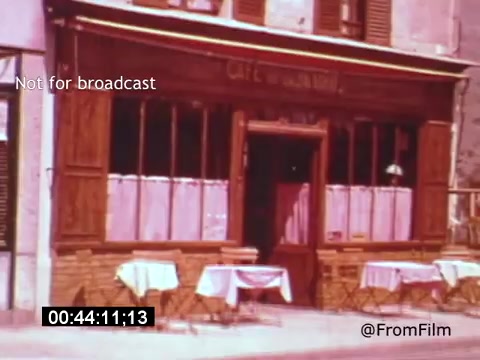
00:43:50.161 — The still from 'Vincent Van Gogh: A Self-Portrait' (1961) depicts a quaint café exterior, characterized by wooden structures and inviting details. Tables are set outside, likely intended for patrons to enjoy the atmosphere. The scene is imbued with a warm, nostalgic color palette, enhancing the artistic theme of the film, which features Lee J. Cobb's portrayal. The image captures a moment of everyday life, reflecting Van Gogh's connection to the settings that inspired his work.
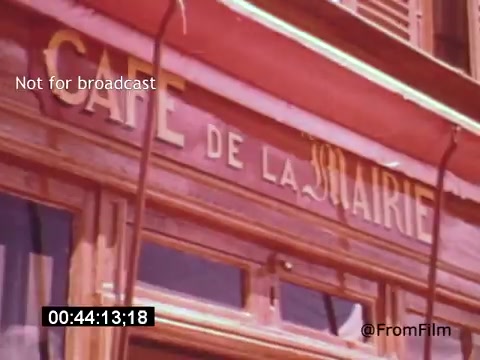
00:43:52.330 — The still from 'Vincent Van Gogh: A Self-Portrait' (1961) features the exterior of a café, specifically 'Café de la Galerie.' The image captures the building's sign, likely emphasizing the environment where Van Gogh frequented. The film combines elements of biography and artistry, with Lee J. Cobb's narration enhancing the connection to Van Gogh's life and work. For more support, consider visiting: https://ko-fi.com/fromfilm.
00:43:54.398 — The still from 'Vincent Van Gogh: A Self-Portrait (1961)' features a blurred depiction of a café sign, 'Café de la Slavaire,' suggesting a connection to Van Gogh's life in France. The imagery evokes a sense of nostalgia and atmosphere associated with the artist's environment. The timestamp indicates a specific moment in the film, likely enhancing the narrative about Van Gogh's experiences and influences with a visual focus on locale.
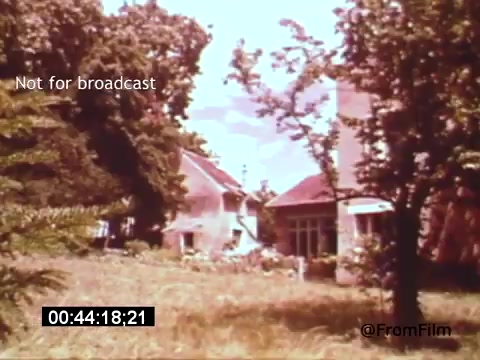
00:43:57.468 — The still from 'Vincent Van Gogh: A Self-Portrait' (1961) features a serene outdoor scene, capturing a peaceful, residential setting with trees and houses. The colors are vibrant, reflecting the film's artistic style. The image may evoke the essence of Van Gogh’s landscape themes, inviting viewers into a visual exploration of his world.
00:43:59.403 — The still from 'Vincent Van Gogh: A Self-Portrait' (1961) appears to present a dreamlike image with layers of color and soft focus. It captures a scene that likely evokes the essence of Van Gogh’s world, integrating natural elements and architectural features. The muted colors suggest an impressionistic style, aligning with Van Gogh's artistic influences. The text overlay indicates the image is not for broadcast, and a timecode is visible, marking the point in the film.
00:44:05.543 — The 16mm still from 'Vincent Van Gogh: A Self-Portrait' (1961) features a vibrant depiction of a landscape, characterized by rolling fields and trees. The soft, stylized brushwork and pastel colors reflect Van Gogh's emotional depth and unique artistic style. This moment captures the essence of his connection to the natural world, emphasizing the interplay of light and color. The film stars Lee J. Cobb, adding a layer of narrative exploration to Van Gogh's life and artistry.
00:44:07.478 — The still from *Vincent Van Gogh: A Self-Portrait (1961)* showcases a stylized, animated depiction of a house, characterized by vibrant colors and bold lines. The structure features a peaked roof, decorative elements, and flags, set against a backdrop of trees. The artistic style reflects Van Gogh's distinctive approach, aligning with the film's exploration of his life and work, narrated by Lee J. Cobb.
00:44:09.547 — The still from 'Vincent Van Gogh: A Self-Portrait' (1961) features a colorful, impressionistic landscape. Soft, swirling brushstrokes depict cottages under a cloudy sky, capturing Van Gogh's distinctive style. This film, narrated by Lee J. Cobb, explores the artist’s life and work, emphasizing his emotional depth and creativity.
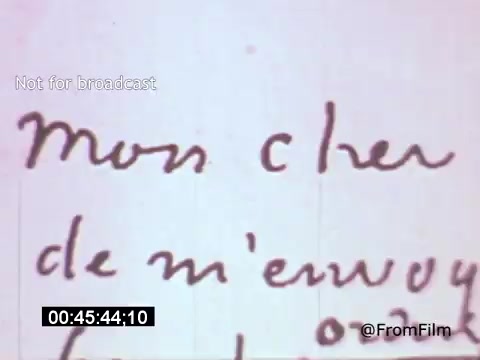
00:45:23.120 — The still from 'Vincent Van Gogh: A Self-Portrait' (1961) features a close-up of handwritten text, likely a letter or note. The writing appears in cursive, with phrases in French, suggesting an intimate glimpse into Van Gogh's thoughts. The aesthetic captures the essence of his expressive communication style, enhancing the personal connection to the artist's life. The still contributes to the documentary's exploration of Van Gogh's mental state and artistic journey, narrated by Lee J. Cobb.
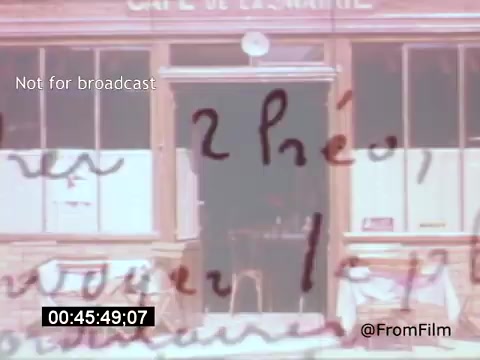
00:45:28.025 — The still from 'Vincent Van Gogh: A Self-Portrait' features a close-up of handwritten text overlaying an image of a café, likely referencing Van Gogh's experiences or thoughts. The café's name, 'Café de la Marine,' suggests a connection to his life and surroundings. The scene evokes a sense of introspection, reflecting Van Gogh's artistry and personal struggles, while Lee J. Cobb's narration provides depth and context to Van Gogh's legacy.
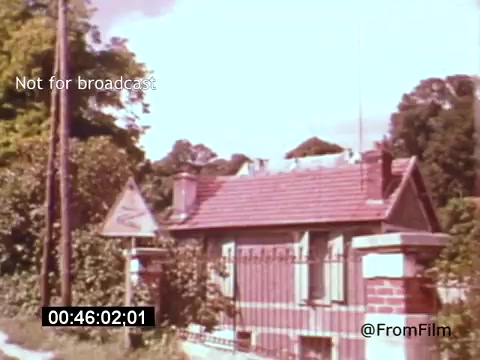
00:45:40.771 — The 16mm still from 'Vincent Van Gogh: A Self-Portrait (1961)' features a quaint house with a red tiled roof, surrounded by lush greenery. A warning sign can be seen nearby, suggesting a rural or historical setting. The image captures a serene, almost nostalgic atmosphere, reflecting the artistic spirit of Van Gogh. The film, narrated by Lee J. Cobb, explores the life and struggles of the renowned painter.
00:45:49.614 — The still from *Vincent Van Gogh: A Self-Portrait (1961)*, featuring Lee J. Cobb, showcases a richly textured natural scene, possibly foliage or a garden. The colors are warm and muted, conveying an organic feel that aligns with Van Gogh's passion for nature. The composition might evoke a sense of introspection and connection to the environment, reflective of the artist's own life and experiences.
00:46:11.302 — The still from 'Vincent Van Gogh: A Self-Portrait' (1961) features a natural landscape with tall grass swaying gently, depicted in warm hues. The scene emphasizes the beauty and simplicity of nature, reflecting a connection to Van Gogh's artistic themes. The image conveys a sense of tranquility, aligning with the introspective nature of the film narrated by Lee J. Cobb.
00:46:30.655 — The still from 'Vincent Van Gogh: A Self-Portrait (1961)' features a close-up view of tall grass or wheat, bathed in a warm, pinkish hue. The image captures the essence of nature, reflective of Van Gogh's appreciation for landscapes. It likely represents the emotional and vibrant style associated with the artist, emphasizing texture and color. The frame includes a timecode, indicating it's part of a film reel, and the text 'Not for broadcast' suggests it's for archival or review purposes. Lee J. Cobb, known for his powerful performances, enriches the narrative with his portrayal.
00:46:31.155 — The still from 'Vincent Van Gogh: A Self-Portrait' (1961) likely captures an artistic moment focused on Van Gogh's signature brushstroke techniques and vibrant color palette. The inclusion of Lee J. Cobb suggests a powerful narration or interpretation of the artist's life. The imagery appears dynamic, potentially reflecting themes of nature or emotional depth inherent in Van Gogh’s work. For additional context and support, consider visiting the provided link.
00:46:32.690 — The still from 'Vincent Van Gogh: A Self-Portrait' (1961) captures a close-up of tall, dry grasses, possibly reflecting the artist's connection with nature. The warm tones create an intimate atmosphere, while the overlay text indicates the image is not intended for broadcast, hinting at its archival significance. This scene may symbolize the inner landscape of Van Gogh's emotional state or his inspiration from the natural world. The timecode suggests it's a frame within a larger narrative.
00:46:37.194 — The 16mm still from 'Vincent Van Gogh: A Self-Portrait' (1961) features a dramatic sky dominated by swirling clouds, illuminated by soft light. The colors exhibit a mix of purples and blues, creating an atmospheric and somewhat turbulent scene. This moment captures the essence of Van Gogh's emotive style, reflecting the intensity of nature and possibly paralleling the artist’s own inner turmoil. The text overlay indicates it’s not for broadcast.
00:46:44.835 — The still from 'Vincent Van Gogh: A Self-Portrait' (1961) features a visually intriguing image, emphasizing textures and movement. The scene captures what appears to be a natural setting with dappled light, possibly tree leaves or water reflections, rendered in a warm and muted color palette. The focus on this organic abstraction complements the film's exploration of Van Gogh's emotional and artistic journey, as narrated by Lee J. Cobb. Notably, the frame is marked 'Not for broadcast,' indicating it may be a behind-the-scenes or promotional image.
00:47:07.358 — The still from 'Vincent Van Gogh: A Self-Portrait' (1961) features a dimly lit interior, capturing a sense of period authenticity. A checkered tablecloth is visible on a table, hinting at a domestic space. The scene conveys a contemplative atmosphere, possibly reflecting Van Gogh's introspective nature. This visual style, combined with Lee J. Cobb's narration, adds depth to the exploration of Van Gogh's life and artistry.
00:47:14.865 — The still from 'Vincent Van Gogh: A Self-Portrait' (1961) features a dimly lit stairway with wooden steps leading upwards. The walls are worn and textured, showing peeling paint and rough surfaces, creating a somber, atmospheric setting. The scene captures a sense of introspection, reflective of Van Gogh's troubled life and artistry. The presence of the timecode indicates it’s likely from a specific moment in the film, emphasizing its context within the narrative.
00:47:17.735 — The 16mm still from *Vincent Van Gogh: A Self-Portrait (1961)* likely captures a scene involving stairs, with a focus on texture and lighting that creates a somber, reflective mood. The use of color and composition may evoke the emotional depth associated with Van Gogh's life and work, potentially serving as a metaphor for his struggles. Lee J. Cobb's narration adds a poignant layer, enhancing the exploration of the artist's psyche.
00:47:40.558 — The still from **'Vincent Van Gogh: A Self-Portrait' (1961)** features a close-up of a door lock. The brass doorknob glimmers with a subtle shine, while the muted colors of the surrounding area suggest a somber, introspective atmosphere. This shot likely symbolizes themes of confinement or introspection, aligning with Van Gogh's own struggles. The presence of a timestamp and 'Not for broadcast' watermark indicates it is part of a larger film piece, perhaps focusing on Van Gogh's life and artistic journey.
00:47:43.894 — The still from 'Vincent Van Gogh: A Self-Portrait' (1961) depicts a simple bed with an unmade appearance, featuring a white pillow and a creased blanket. The setting conveys a sense of solitude and introspection, aligning with Van Gogh's tumultuous life. The muted colors and the stark environment evoke the emotional weight associated with the artist's experiences. The film, narrated by Lee J. Cobb, explores Van Gogh's complex persona and creative struggles.
00:47:49.433 — The still from *Vincent Van Gogh: A Self-Portrait (1961)* features an unmade bed with a rumpled white pillow and a beige sheet, set against a bare wall. The simplicity of the scene evokes a sense of solitude, reflecting Van Gogh's emotional state. The film, narrated by Lee J. Cobb, delves into Van Gogh's life and artistry, emphasizing the personal and introspective aspects of his character.
00:48:15.993 — The 16mm still from 'Vincent Van Gogh: A Self-Portrait' (1961) likely features an artistic interpretation of Van Gogh’s life, depicted through a blend of colors and textures. Lee J. Cobb, who plays a key role in the film, may be seen engaged in an introspective moment, possibly illustrating the struggles and creativity of the artist. The visual aesthetics appear to evoke a sense of emotional depth, capturing the essence of Van Gogh's turbulent yet passionate existence.
00:49:11.849 — The still from 'Vincent Van Gogh: A Self-Portrait' (1961) features a close-up of a white pillow positioned on a bed, highlighting the textured fabric. The muted color palette and the softness of the pillow evoke a sense of introspection and tranquility, reflective of Van Gogh's emotional state. The lack of human presence allows the viewer to focus on the simplicity of the moment, setting a contemplative tone in the context of the film.
00:49:25.262 — The still from 'Vincent Van Gogh: A Self-Portrait' (1961) features an intimate and contemplative scene. A painter’s canvas is propped up against a bed, partially draped in soft, white fabric. The atmosphere is subdued, reflecting a sense of solitude typical of Van Gogh's life. The use of color hints at the emotional depth associated with his art. Lee J. Cobb’s narration likely adds a profound layer to this visual moment.
00:50:51.515 — The still from 'Vincent Van Gogh: A Self-Portrait' (1961) features an artistic visualization, likely capturing elements reminiscent of Van Gogh's style. It includes vivid colors and floral motifs, possibly evoking the emotional intensity of his work. The use of layered textures suggests a dreamy, impressionistic effect that may reflect the artist's internal struggles. This film, narrated by Lee J. Cobb, aims to explore Van Gogh's life and artistry.
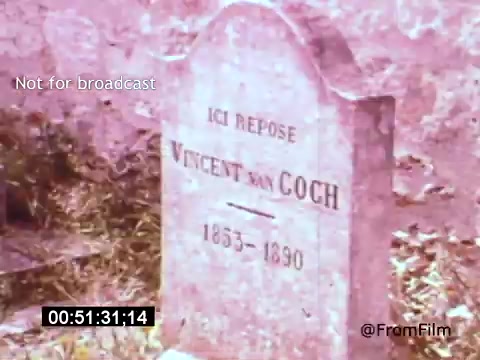
00:51:10.267 — The still from 'Vincent Van Gogh: A Self-Portrait' (1961) features a weathered gravestone in a muted, pastel palette. The inscription reads 'ICI REPOSE VINCENT van GOGH' along with his birth and death years (1853-1890). This evocative image captures the somber and reflective tone of the film, highlighting Van Gogh's legacy and tragic life. The presence of natural overgrowth around the gravestone adds to the sense of history and melancholy.
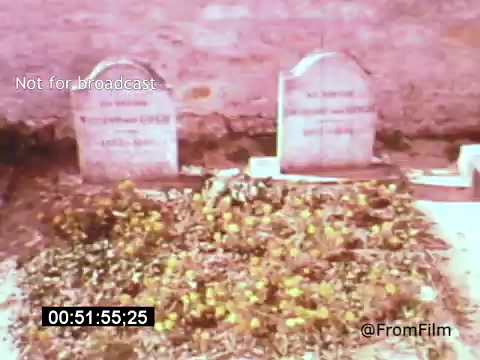
00:51:34.658 — The 16mm still from *Vincent Van Gogh: A Self-Portrait (1961)* shows a graveyard scene featuring two headstones, likely marking the resting places of Vincent Van Gogh and his brother, Theo. The surrounding area is overgrown with flowers, suggesting a serene yet somber atmosphere. The film, narrated by Lee J. Cobb, explores Van Gogh's life and legacy through vivid imagery and poignant reflections.
00:52:05.656 — The still from 'Vincent Van Gogh: A Self-Portrait (1961)' features a wide landscape shot showcasing expansive fields under a cloudy sky. The colors have a washed-out quality, typical of 16mm film, evoking a sense of nostalgia. The scene captures a moment of tranquility, reflecting the essence of nature that Van Gogh often depicted in his works. The timestamp indicates it's part of a longer sequence in the film.
00:52:11.996 — The still from 'Vincent Van Gogh: A Self-Portrait' (1961) features a title card displaying the name 'VINCENT VAN GOGH' prominently against a dramatic, cloud-strewn sky. The warm colors and cloud formations create an emotional backdrop that hints at the artist's turbulent life and profound impact on art. The image is marked 'Not for broadcast,' indicating it is intended for specific viewing contexts. The timestamp suggests it is part of a larger narrative.
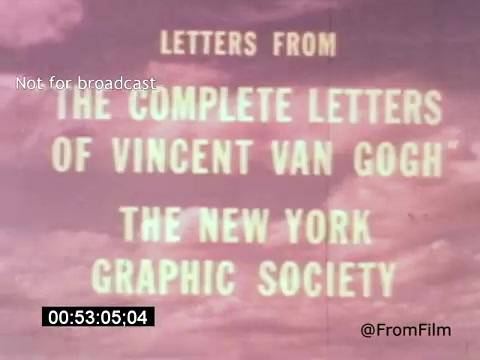
00:52:43.861 — The still from 'Vincent Van Gogh: A Self-Portrait' (1961) features text superimposed over a pink background, highlighting 'Letters from The Complete Letters of Vincent Van Gogh' and 'The New York Graphic Society.' It suggests a focus on Van Gogh's correspondence, likely emphasizing his thoughts and experiences. The presence of Lee J. Cobb implies a narrative or voiceover, adding depth to the exploration of Van Gogh's life.