Why do you think they call it dope?' 1970 PSA

Shotlist & Visual Analysis
The still from the 1970 PSA 'Why Do You Think They Call It Dope?' features a close-up of a young child's back and profile, set against a backdrop of greenery. The muted colors characteristic of 16mm film give it a vintage feel, reflecting the era's style. The child appears to be looking upward, possibly in contemplation or curiosity, aligning with the PSA's theme of questioning and understanding the dangers of drug use. The scene captures a moment of innocence, contrasting with the serious messaging of the campaign.   .

00:00:01.468 — The still from the 1970 PSA 'Why Do You Think They Call It Dope?' features a close-up of a young child's back and profile, set against a backdrop of greenery. The muted colors characteristic of 16mm film give it a vintage feel, reflecting the era's style. The child appears to be looking upward, possibly in contemplation or curiosity, aligning with the PSA's theme of questioning and understanding the dangers of drug use. The scene captures a moment of innocence, contrasting with the serious messaging of the campaign. .
The still from the 1970 PSA 'Why Do You Think They Call It Dope?' depicts two young boys playing with a baseball in a park setting. They are seen from behind, focused on their play, which suggests innocence and the joy of childhood. The warm color tones typical of 16mm prints evoke a sense of nostalgia. The context of the PSA highlights the dangers of drug use, contrasting the carefree nature of the boys with the serious message about substance abuse.
00:00:02.202 — The still from the 1970 PSA 'Why Do You Think They Call It Dope?' depicts two young boys playing with a baseball in a park setting. They are seen from behind, focused on their play, which suggests innocence and the joy of childhood. The warm color tones typical of 16mm prints evoke a sense of nostalgia. The context of the PSA highlights the dangers of drug use, contrasting the carefree nature of the boys with the serious message about substance abuse.

In this still from the 1970 PSA 'Why do you think they call it dope?', a young woman is seen in profile, her expressive face conveying emotion as she engages in conversation. The image is tinged with a reddish-purple hue typical of 16mm prints from that era. Behind her, a chain-link fence and lush greenery create a backdrop that hints at an outdoor setting, possibly emphasizing themes of youth and the environment surrounding the anti-drug message.   Follow us for more insights on film history @FromFilm.

00:00:02.703 — In this still from the 1970 PSA 'Why do you think they call it dope?', a young woman is seen in profile, her expressive face conveying emotion as she engages in conversation. The image is tinged with a reddish-purple hue typical of 16mm prints from that era. Behind her, a chain-link fence and lush greenery create a backdrop that hints at an outdoor setting, possibly emphasizing themes of youth and the environment surrounding the anti-drug message. Follow us for more insights on film history @FromFilm.
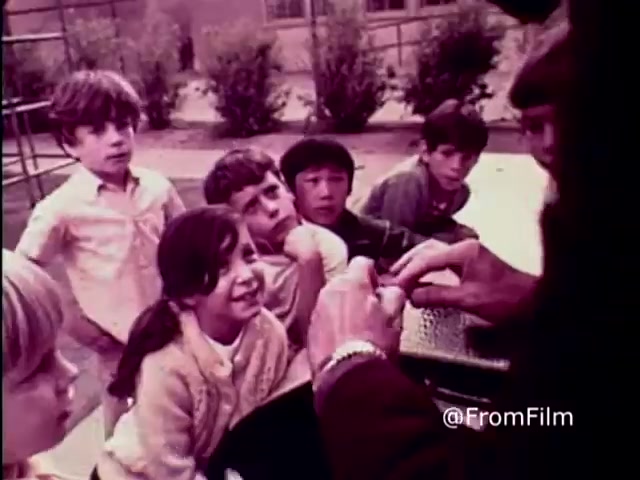
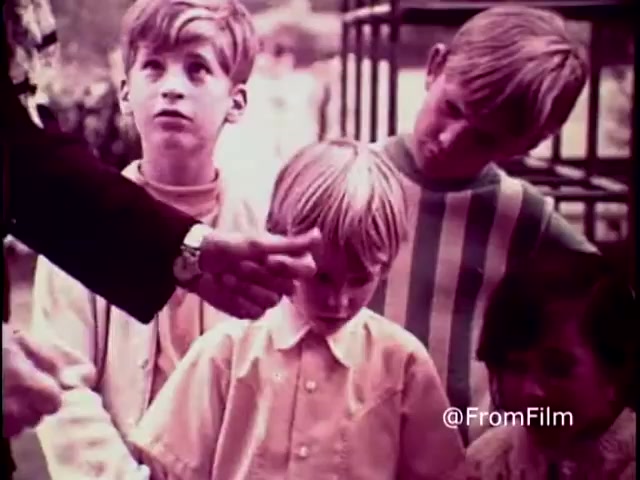
The still from the 1970 PSA 'Why do you think they call it dope?' shows a group of children, intrigued and curious, gathered around an adult who appears to be demonstrating something with their hands. The setting is outdoors, likely in a schoolyard or playground, with sparse greenery in the background. The children's expressions range from amusement to curiosity, highlighting a moment of engagement. The tone of the image suggests a cautionary theme about drugs, typical of anti-drug messaging from that era.
00:00:06.807 — The still from the 1970 PSA 'Why do you think they call it dope?' shows a group of children, intrigued and curious, gathered around an adult who appears to be demonstrating something with their hands. The setting is outdoors, likely in a schoolyard or playground, with sparse greenery in the background. The children's expressions range from amusement to curiosity, highlighting a moment of engagement. The tone of the image suggests a cautionary theme about drugs, typical of anti-drug messaging from that era.

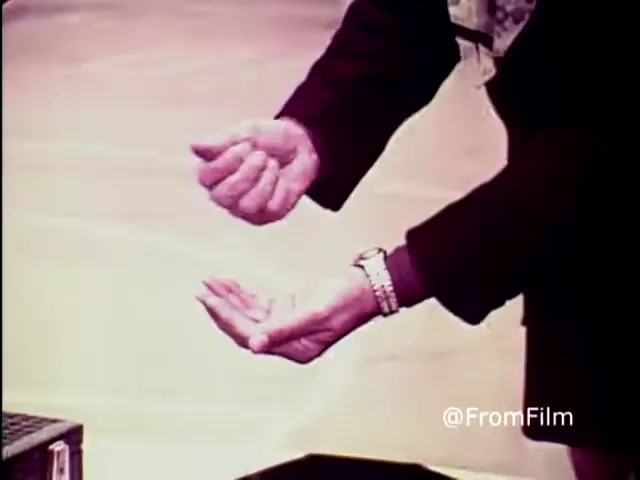
The still likely depicts a close-up of hands, conveying a moment of vulnerability or a warning about drug use. The context of the 1970 PSA 'Why Do You Think They Call It Dope?' suggests a strong anti-drug message, aiming to illustrate the consequences of substance abuse. The hands could symbolize desperation, choice, or the physical act of using drugs, reinforcing the campaign's theme. The emphasis is on the emotional and social implications of drug use.
00:00:15.315 — The still likely depicts a close-up of hands, conveying a moment of vulnerability or a warning about drug use. The context of the 1970 PSA 'Why Do You Think They Call It Dope?' suggests a strong anti-drug message, aiming to illustrate the consequences of substance abuse. The hands could symbolize desperation, choice, or the physical act of using drugs, reinforcing the campaign's theme. The emphasis is on the emotional and social implications of drug use.

The still from the 1970 PSA 'Why do you think they call it dope?' shows a group of children, with focused expressions, listening intently. An adult’s hand is gesturing towards them, emphasizing a moment of serious dialogue. The muted colors and the children's attire reflect the era, while the scene captures a pivotal moment in the anti-drug message, highlighting the gravity of the conversation. .
00:00:18.552 — The still from the 1970 PSA 'Why do you think they call it dope?' shows a group of children, with focused expressions, listening intently. An adult’s hand is gesturing towards them, emphasizing a moment of serious dialogue. The muted colors and the children's attire reflect the era, while the scene captures a pivotal moment in the anti-drug message, highlighting the gravity of the conversation. .

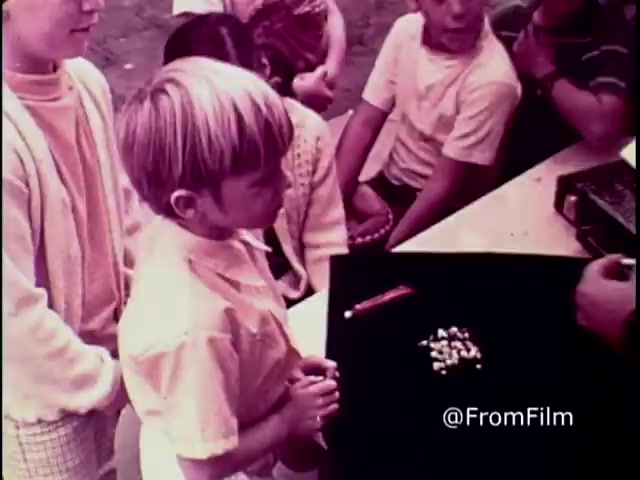
The still from the 1970 PSA 'Why do you think they call it dope?' depicts a scene where a group of children are gathered around a table. A young boy, with light hair and dressed in light clothing, stands focused on a set of pills laid out on a black surface. The adults nearby seem to be explaining the dangers of drugs, capturing the serious tone of the anti-drug message. The visual style characteristic of the era conveys an educational yet impactful atmosphere, aimed at raising awareness among viewers.   .

00:00:26.760 — The still from the 1970 PSA 'Why do you think they call it dope?' depicts a scene where a group of children are gathered around a table. A young boy, with light hair and dressed in light clothing, stands focused on a set of pills laid out on a black surface. The adults nearby seem to be explaining the dangers of drugs, capturing the serious tone of the anti-drug message. The visual style characteristic of the era conveys an educational yet impactful atmosphere, aimed at raising awareness among viewers. .
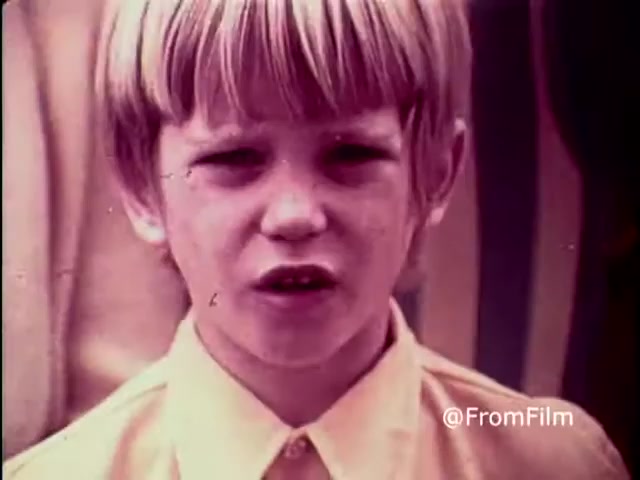
The still from the 1970 PSA 'Why Do You Think They Call It Dope?' features a young boy with blond hair, looking directly into the camera with a serious expression. He appears to be conveying a message about the dangers of drug use. The image's color and graininess reflect the film's vintage quality, typical of a 16mm print from that era. The overall tone emphasizes a serious and cautionary approach to discussing drugs.   For more film insights, follow us on Twitter @FromFilm.

00:00:31.765 — The still from the 1970 PSA 'Why Do You Think They Call It Dope?' features a young boy with blond hair, looking directly into the camera with a serious expression. He appears to be conveying a message about the dangers of drug use. The image's color and graininess reflect the film's vintage quality, typical of a 16mm print from that era. The overall tone emphasizes a serious and cautionary approach to discussing drugs. For more film insights, follow us on Twitter @FromFilm.
The still from the 1970 PSA 'Why do you think they call it dope?' features a close-up of hands, possibly conveying a sense of tension or foreboding. The hands appear to be engaged in a gesture that alludes to drug use, underscoring the theme of the dangers associated with drugs. The warm, muted tones of the 16mm print add a vintage quality, enhancing the impactful messaging typical of the era’s anti-drug campaigns.   .

00:00:34.134 — The still from the 1970 PSA 'Why do you think they call it dope?' features a close-up of hands, possibly conveying a sense of tension or foreboding. The hands appear to be engaged in a gesture that alludes to drug use, underscoring the theme of the dangers associated with drugs. The warm, muted tones of the 16mm print add a vintage quality, enhancing the impactful messaging typical of the era’s anti-drug campaigns. .
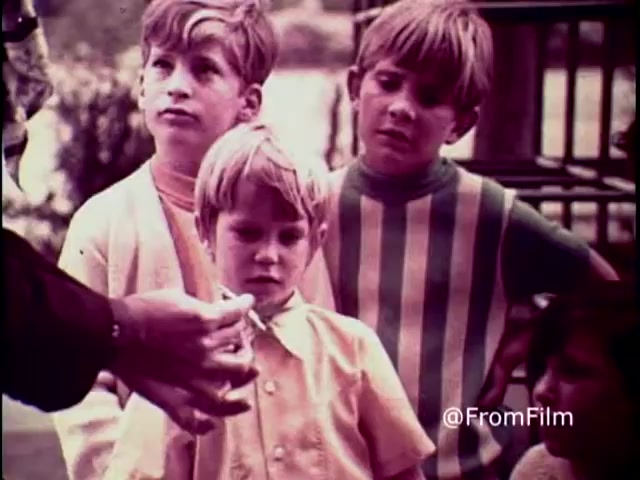
The still captures a tense moment from the 1970 anti-drug PSA 'Why Do You Think They Call It Dope?' featuring a group of young children. They appear concerned or curious as an adult's hand, presumably offering something, is prominently placed in the foreground. The children's expressions convey a mix of intrigue and apprehension, highlighting the serious theme of the campaign. The vintage 16mm print adds a nostalgic quality to the scene, emphasizing the era's approach to discussing drug awareness.   .

00:00:36.737 — The still captures a tense moment from the 1970 anti-drug PSA 'Why Do You Think They Call It Dope?' featuring a group of young children. They appear concerned or curious as an adult's hand, presumably offering something, is prominently placed in the foreground. The children's expressions convey a mix of intrigue and apprehension, highlighting the serious theme of the campaign. The vintage 16mm print adds a nostalgic quality to the scene, emphasizing the era's approach to discussing drug awareness. .
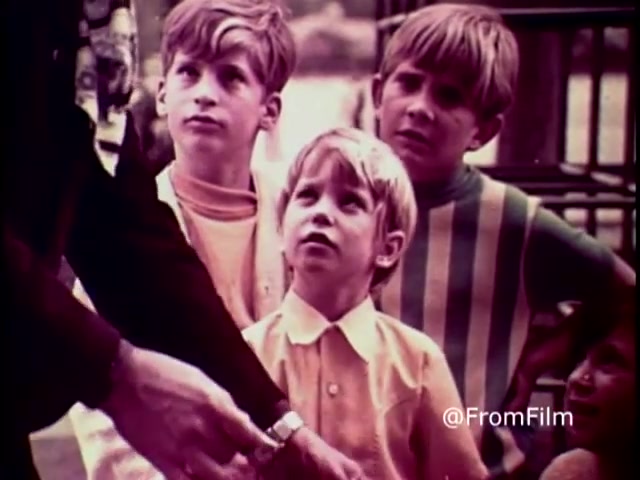
The still from the 1970 PSA 'Why do you think they call it dope?' features a group of children, looking intently at an adult figure. Their expressions convey curiosity and concern, highlighting a serious conversation about the dangers of drug use. The warm color tones typical of 16mm film give it a nostalgic feel, while the children's focused demeanor underscores the PSA's message aimed at educating youth about anti-drug sentiments.
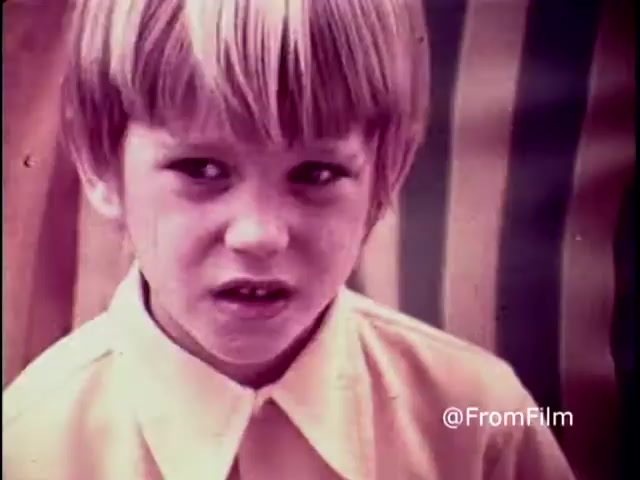
00:00:41.808 — The still from the 1970 PSA 'Why do you think they call it dope?' features a group of children, looking intently at an adult figure. Their expressions convey curiosity and concern, highlighting a serious conversation about the dangers of drug use. The warm color tones typical of 16mm film give it a nostalgic feel, while the children's focused demeanor underscores the PSA's message aimed at educating youth about anti-drug sentiments.

The still features a young boy with a concerned expression, looking directly at the camera. His short, light-colored hair and serious demeanor suggest an earnestness, reflective of the serious themes in the PSA. The background consists of striped patterns that add a vibrant yet contrasting visual element. This 1970 anti-drug public service announcement aims to provoke thought about the consequences of drug use, encapsulated in the provocative question, 'Why do you think they call it dope?'
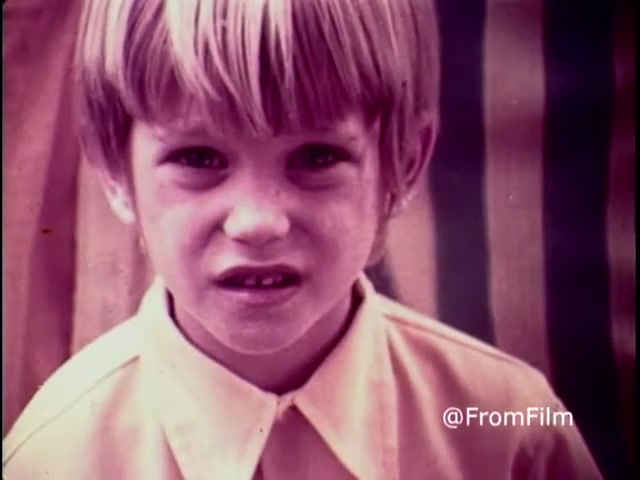
00:00:48.582 — The still features a young boy with a concerned expression, looking directly at the camera. His short, light-colored hair and serious demeanor suggest an earnestness, reflective of the serious themes in the PSA. The background consists of striped patterns that add a vibrant yet contrasting visual element. This 1970 anti-drug public service announcement aims to provoke thought about the consequences of drug use, encapsulated in the provocative question, 'Why do you think they call it dope?'

The still from the 1970 PSA 'Why do you think they call it dope?' features a young boy with a serious expression, emphasizing the gravity of the anti-drug message. He has short, light-colored hair and wears a collared shirt. The background shows muted colors, possibly striped, creating a stark contrast to his concerned face. The image encapsulates the emotional weight of the campaign, aiming to provoke reflection on the dangers of drug use.   .

00:00:52.085 — The still from the 1970 PSA 'Why do you think they call it dope?' features a young boy with a serious expression, emphasizing the gravity of the anti-drug message. He has short, light-colored hair and wears a collared shirt. The background shows muted colors, possibly striped, creating a stark contrast to his concerned face. The image encapsulates the emotional weight of the campaign, aiming to provoke reflection on the dangers of drug use. .
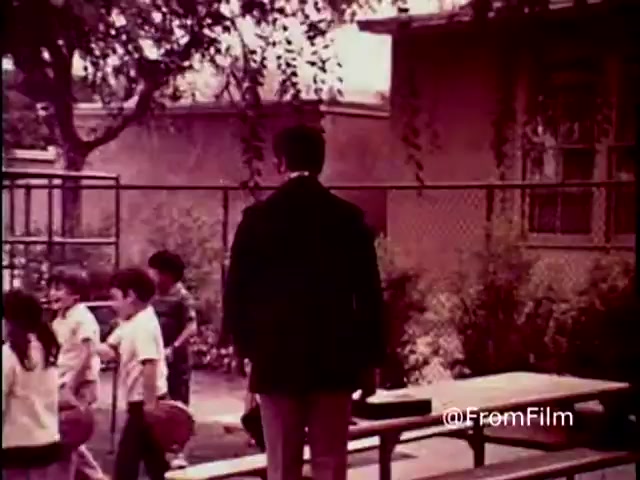
In this still from the 1970 PSA 'Why Do You Think They Call It Dope?', a somber figure in a black coat stands with their back to the camera, overseeing a playground scene filled with children playing. The muted, warm tones of the film enhance the nostalgic yet serious atmosphere, emphasizing the message against drug use. The surrounding environment, marked by chain-link fencing and trees, suggests a school setting, reinforcing the PSA's focus on youth and the impact of drugs.
00:00:56.256 — In this still from the 1970 PSA 'Why Do You Think They Call It Dope?', a somber figure in a black coat stands with their back to the camera, overseeing a playground scene filled with children playing. The muted, warm tones of the film enhance the nostalgic yet serious atmosphere, emphasizing the message against drug use. The surrounding environment, marked by chain-link fencing and trees, suggests a school setting, reinforcing the PSA's focus on youth and the impact of drugs.

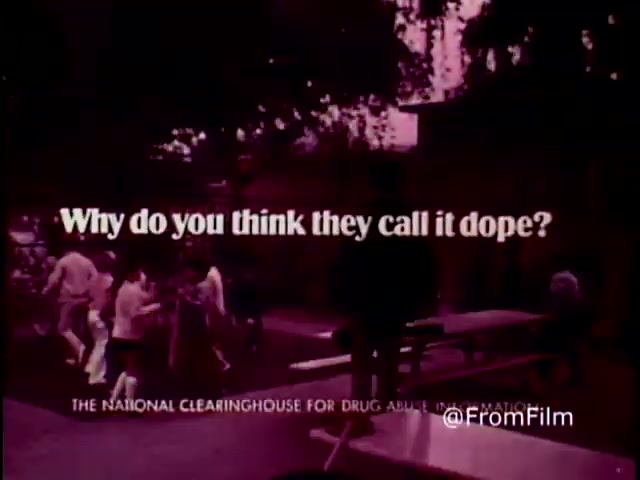
The still features a stark, provocative message: 'Why do you think they call it dope?' set against a faded, nostalgic background, indicative of the 1970s. The use of bold typography contrasts with a scene depicting social interactions, likely in a park or similar outdoor setting. The film aims to challenge perceptions of drug use through its engaging yet cautionary statement, part of an anti-drug public service announcement by the National Clearinghouse for Drug Abuse Information. The overall tone captures a moment in time, reflecting the era's cultural attitudes towards drugs.   .

00:00:59.593 — The still features a stark, provocative message: 'Why do you think they call it dope?' set against a faded, nostalgic background, indicative of the 1970s. The use of bold typography contrasts with a scene depicting social interactions, likely in a park or similar outdoor setting. The film aims to challenge perceptions of drug use through its engaging yet cautionary statement, part of an anti-drug public service announcement by the National Clearinghouse for Drug Abuse Information. The overall tone captures a moment in time, reflecting the era's cultural attitudes towards drugs. .

Film Transcript / Subtitles

Hey, kiddies, gather round. The man with the goodies is here. Here's a little beauty for me to you. Just inhale and sniff at his aeroplane glue. Oh, one whiff, man, and you... Isn't it true that sniffing glue can damage your liver and kidneys? Cool it, kid. Lookie. Amphetamines, bennies, dexes, meth. They say amphetamines can cause something like schizofrene. Schizofrene. In most cases, it does not last. Cool it, kid. Now for the barbs. Neato, nice, easy downers. Withdrawal from barbiturates can cause convulsions. Will you convulse yourself out of here? Grass. Anything wrong with pot? They're not sure yet. They just started studying about it. Worry, wart. Dig, everybody. L. S. D. Bad trips and a chance of chromosome damage. How do you know you got chromosomes? Everything you got there can hurt you, can't it? Sure, kid. Why do you think they call it dope? Hey, where's everybody going? Oh, my God.